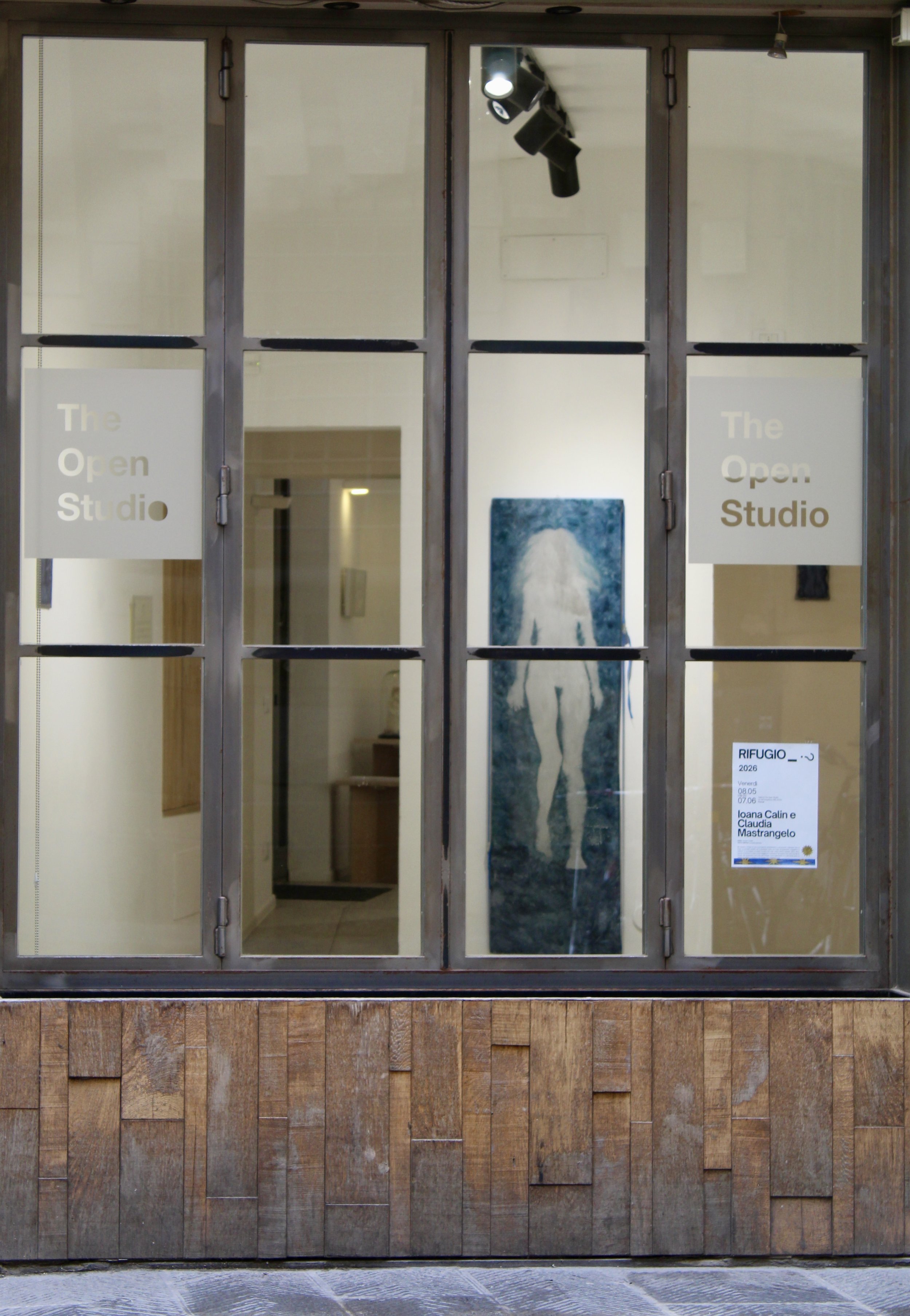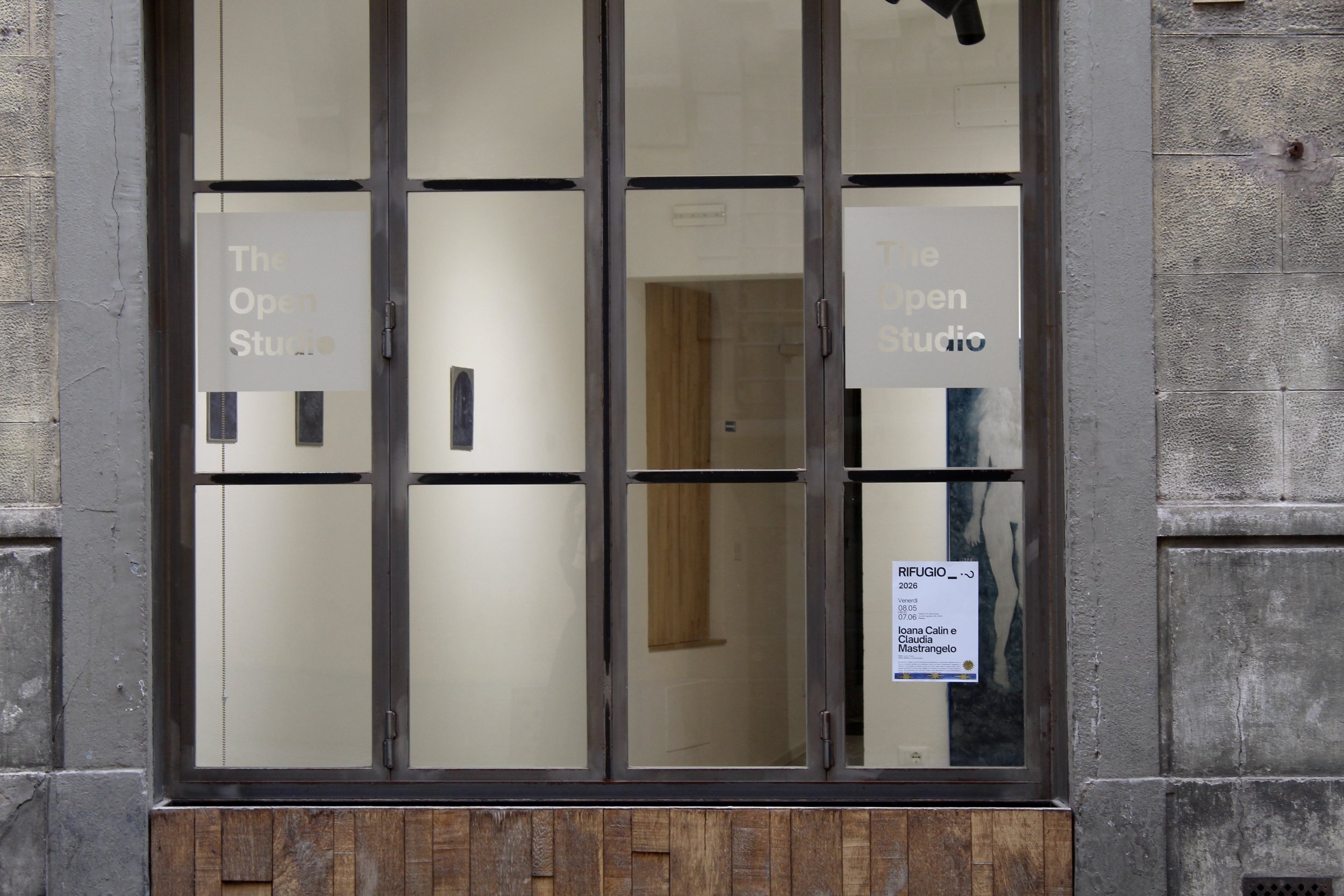
RIFUGIO | Claudia Mastrangelo e Ioana Calin
con un video di Jezabel Traube
testo critico di Loredana Barillaro
vernissage: venerdì 8 maggio 2026
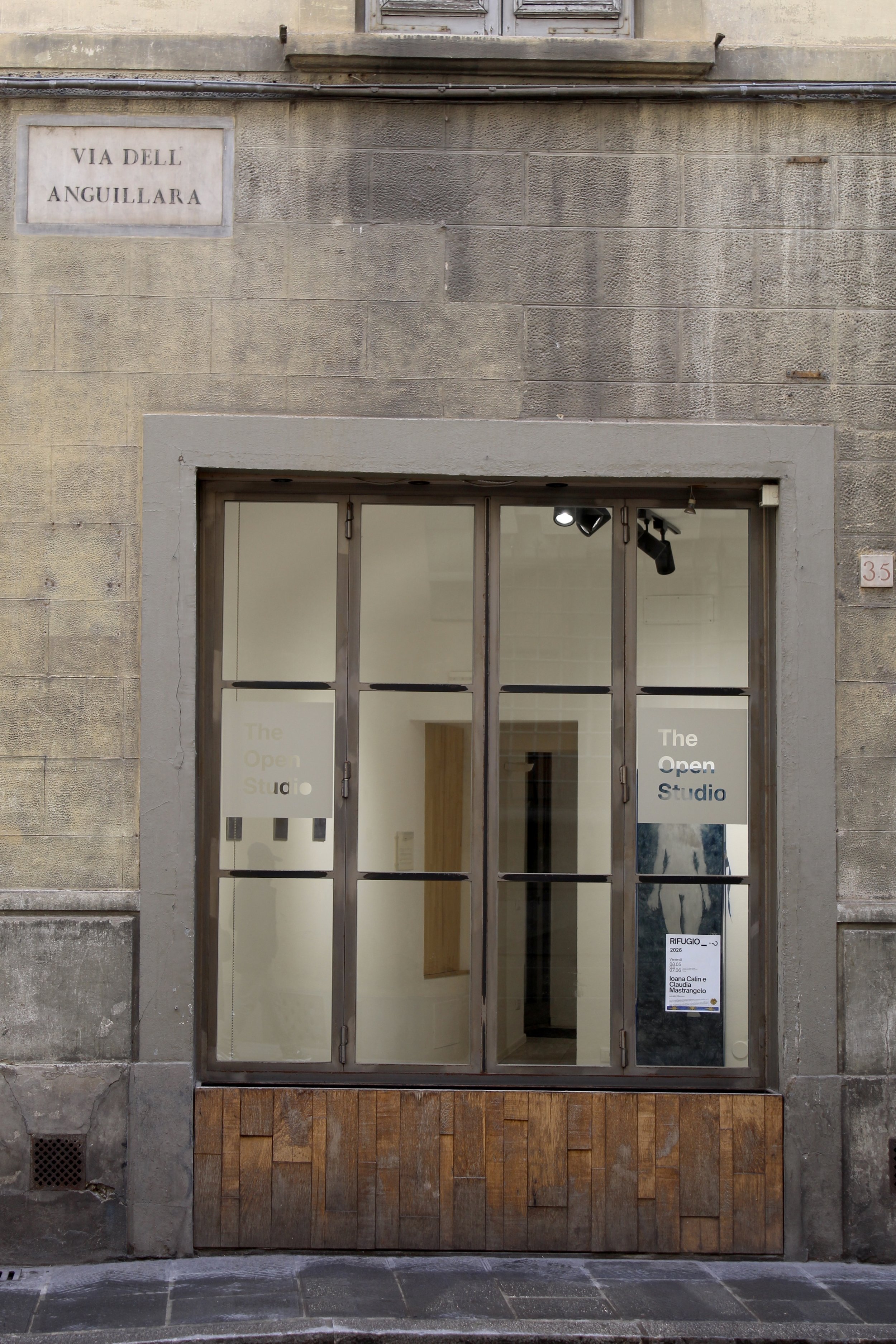
The Open Studio, Firenze
Claudia Mastrangelo e Ioana Calin nell’ideare la loro mostra hanno inteso riflettere sul tema del rifugio considerato nelle sue svariate sfaccettature, nei suoi percorsi e nei suoi approdi.
Quando pensiamo al rifugio siamo portati a definirlo come un elemento concreto, materialmente tangibile, che ci accoglie e che ci protegge da quanto è altro da noi, da ciò che ci spaventa, per donarci pace.
Ma davvero il rifugio ha una connotazione strettamente e unicamente materiale? Non è forse un concetto astratto se lo pensiamo come uno stato di benessere, soggettivo e relativo? Ci accorgiamo di averlo trovato e di voler viverci dentro quando siamo felici, quando avvertiamo il nostro corpo leggero e in armonia.
È da questo che tutto prende le mosse, dal domandarsi che cosa sia il rifugio, cosa rappresenti e in che forma esso si realizzi, le artiste lo chiedono a se stesse e lo chiedono a noi.
L’etimologia fa derivare la parola dal latino refugere ossia “fuggire indietro”, un po’ come il riavvolgere un nastro, un avanzare e un arretrare laddove esso è qualcosa a cui tendere o da cui scappare, da cui affrancarsi o, semplicemente, da cercare altrove.
Il processo creativo delle due artiste è molto diverso, forse opposto, Claudia pone particolare attenzione alla materia, Ioana al concetto, entrambe però sono in grado di far convergere le reciproche ricerche in un lavoro che corre parallelo. All’interno della mostra le due artiste proseguono nella medesima direzione, e pur tracciando percorsi autonomi la messa in opera di materiali differenti denota, adesso, la stessa urgenza.
Il rifugio, per Ioana Calin, si fa ricordo, memoria, ella crea attraverso la luce che prende consistenza; per Claudia Mastrangelo richiama un fare generoso che si lega al dono, a ciò che risulta dall’atto del creare.
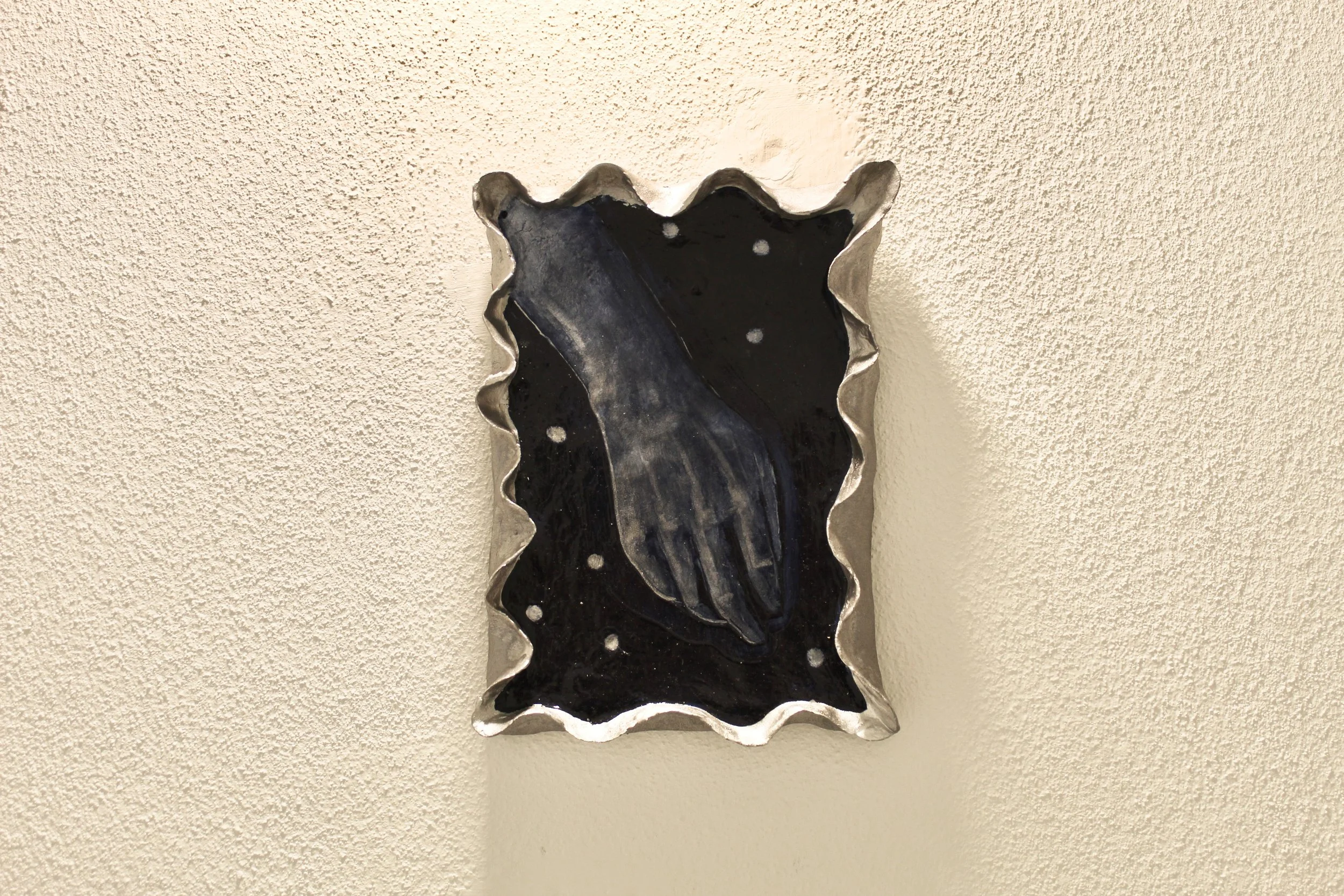
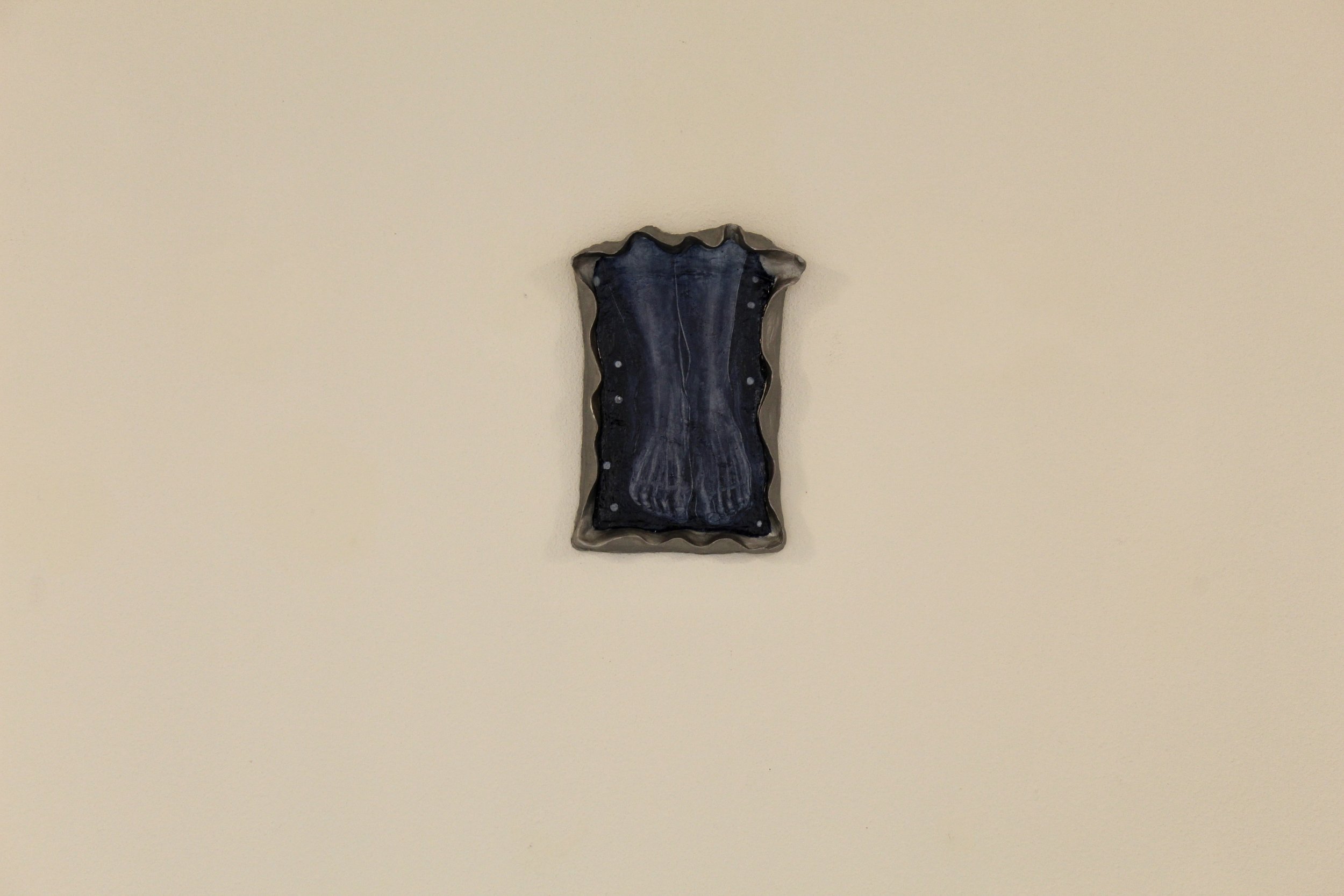
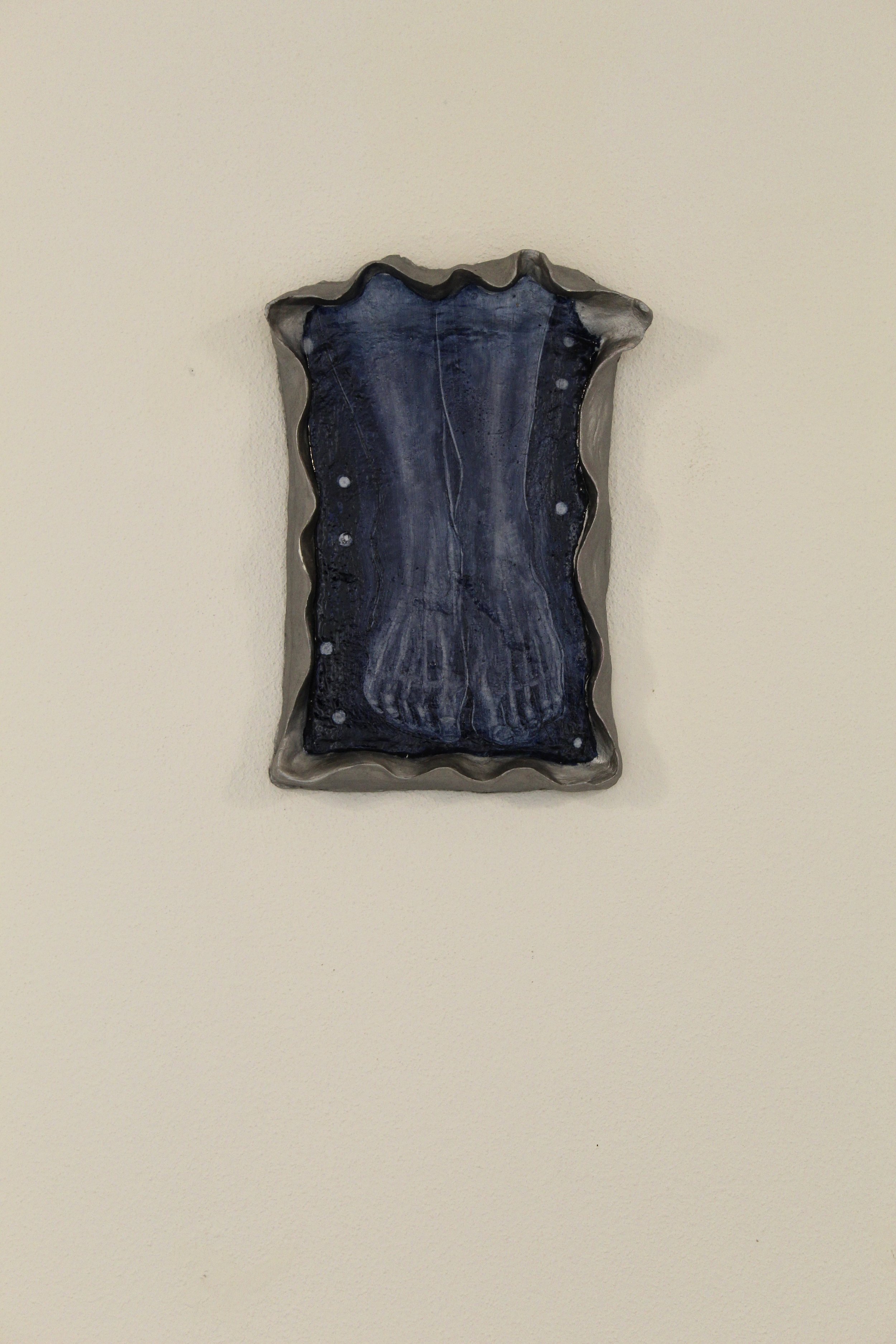
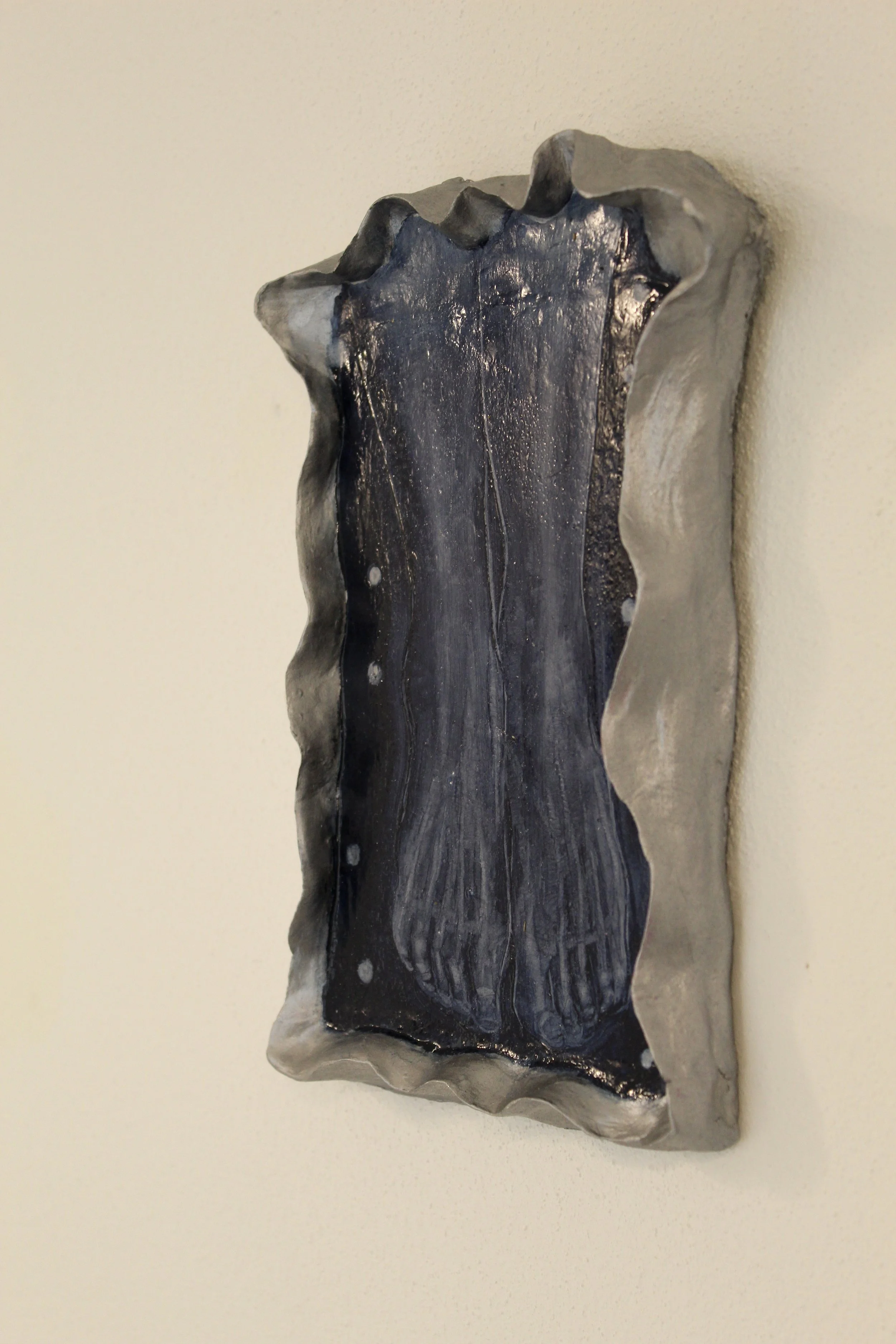
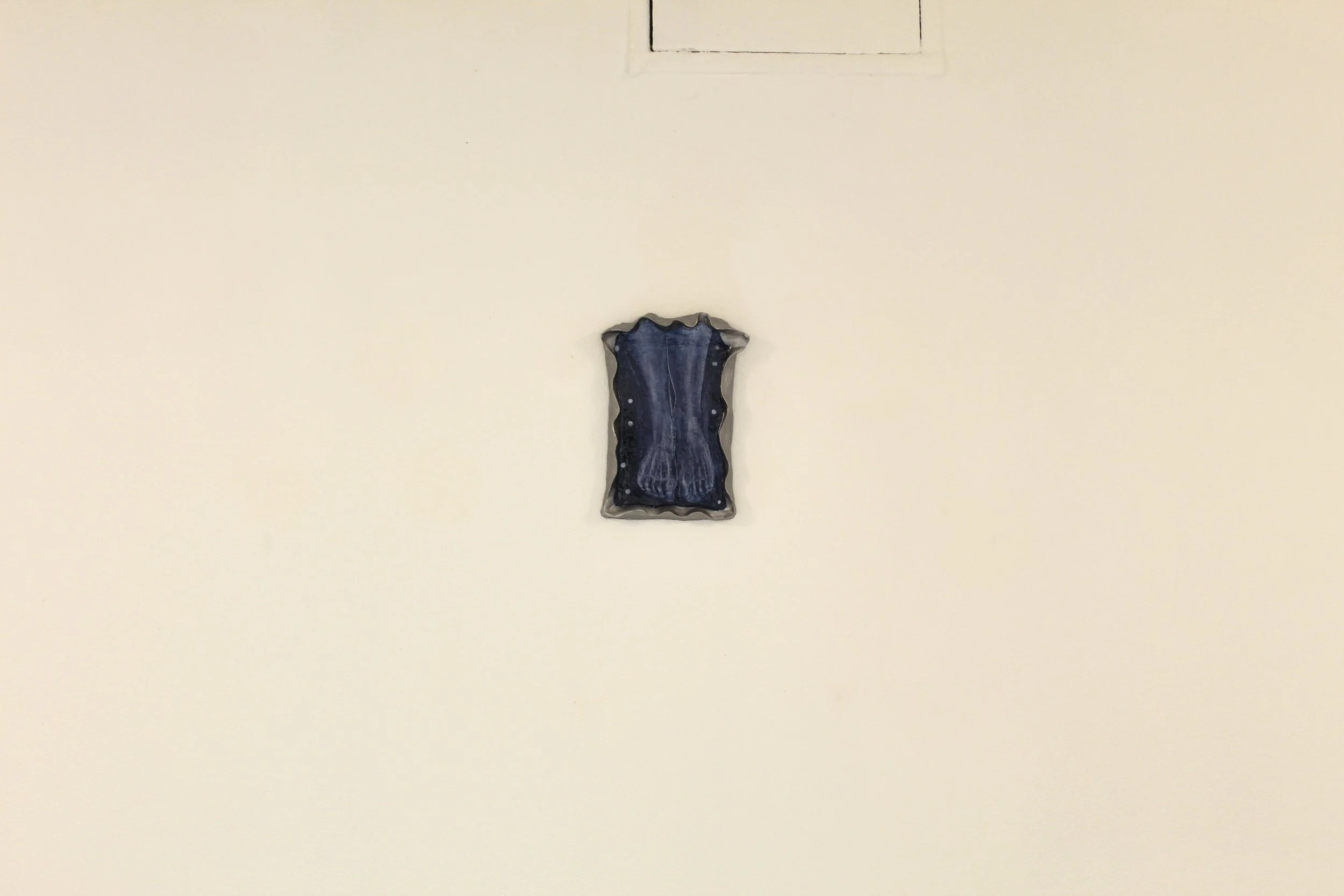
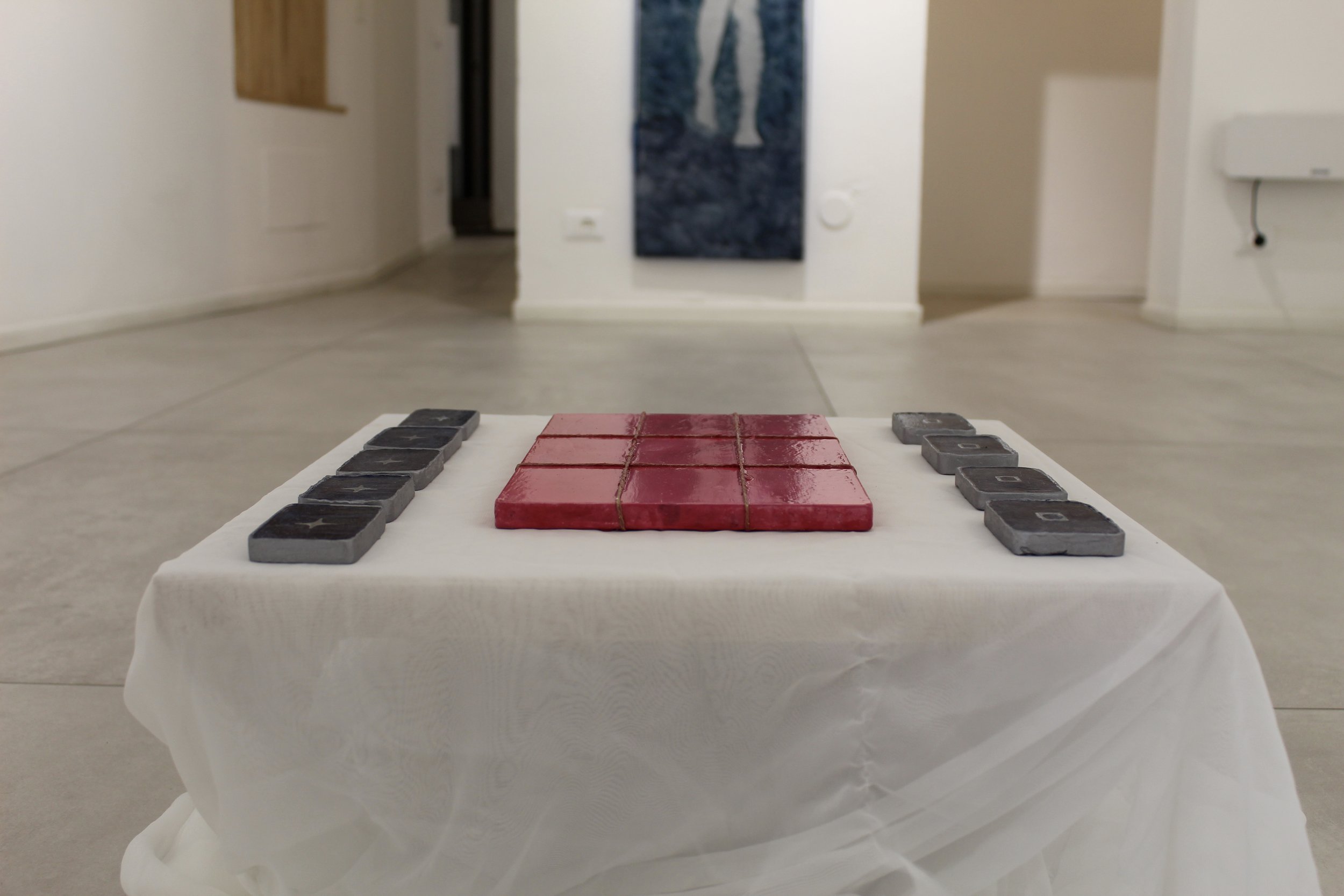
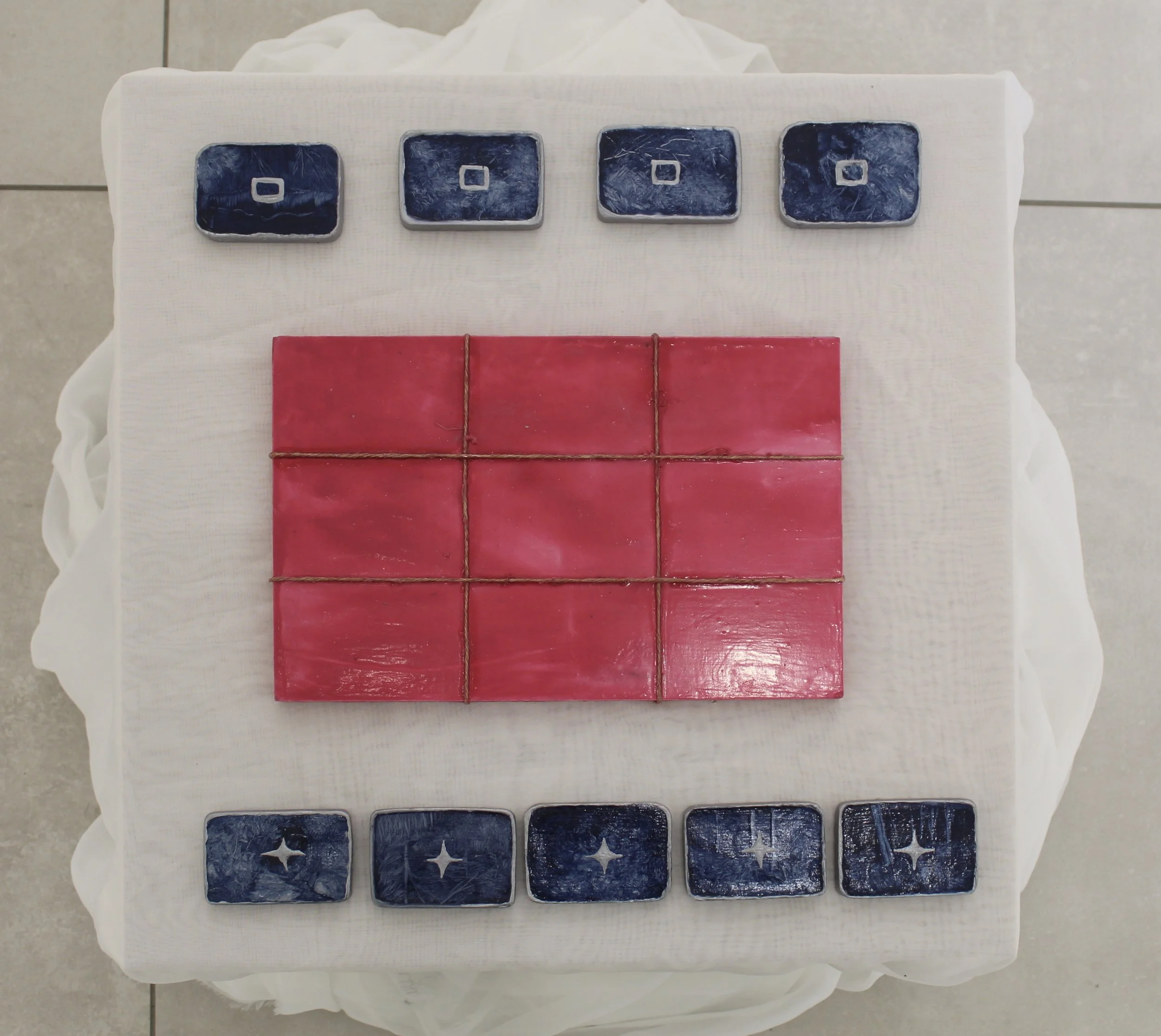
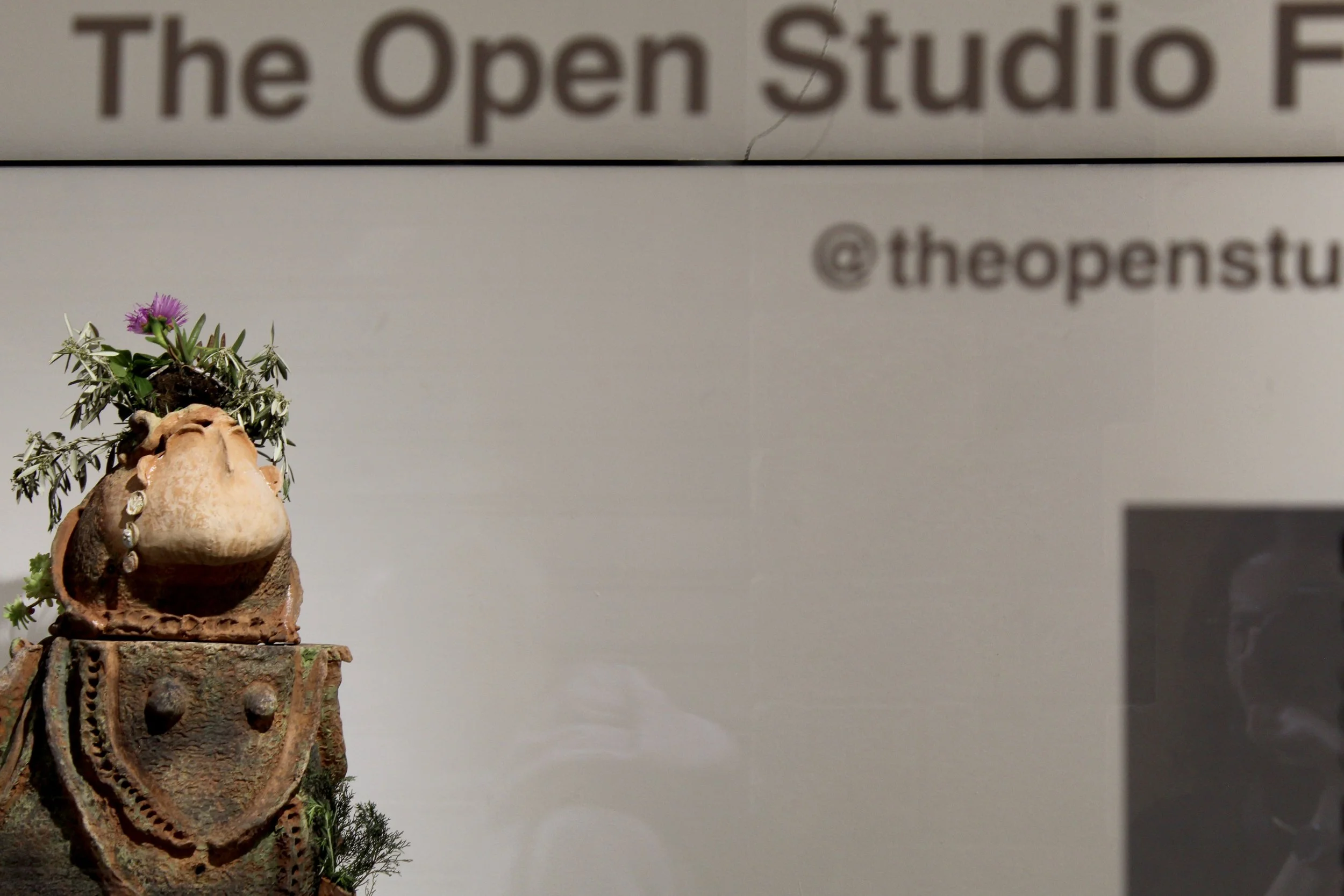
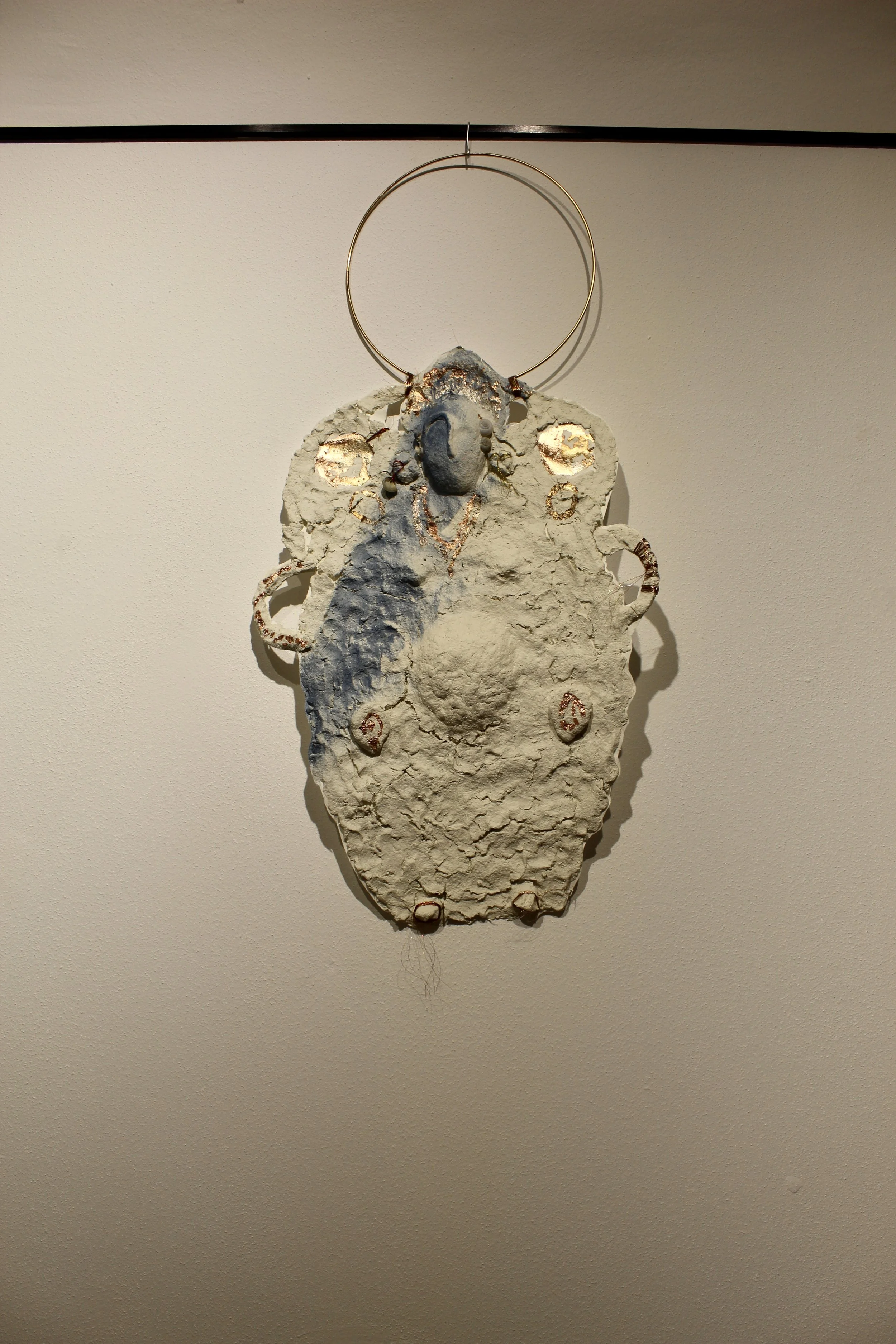
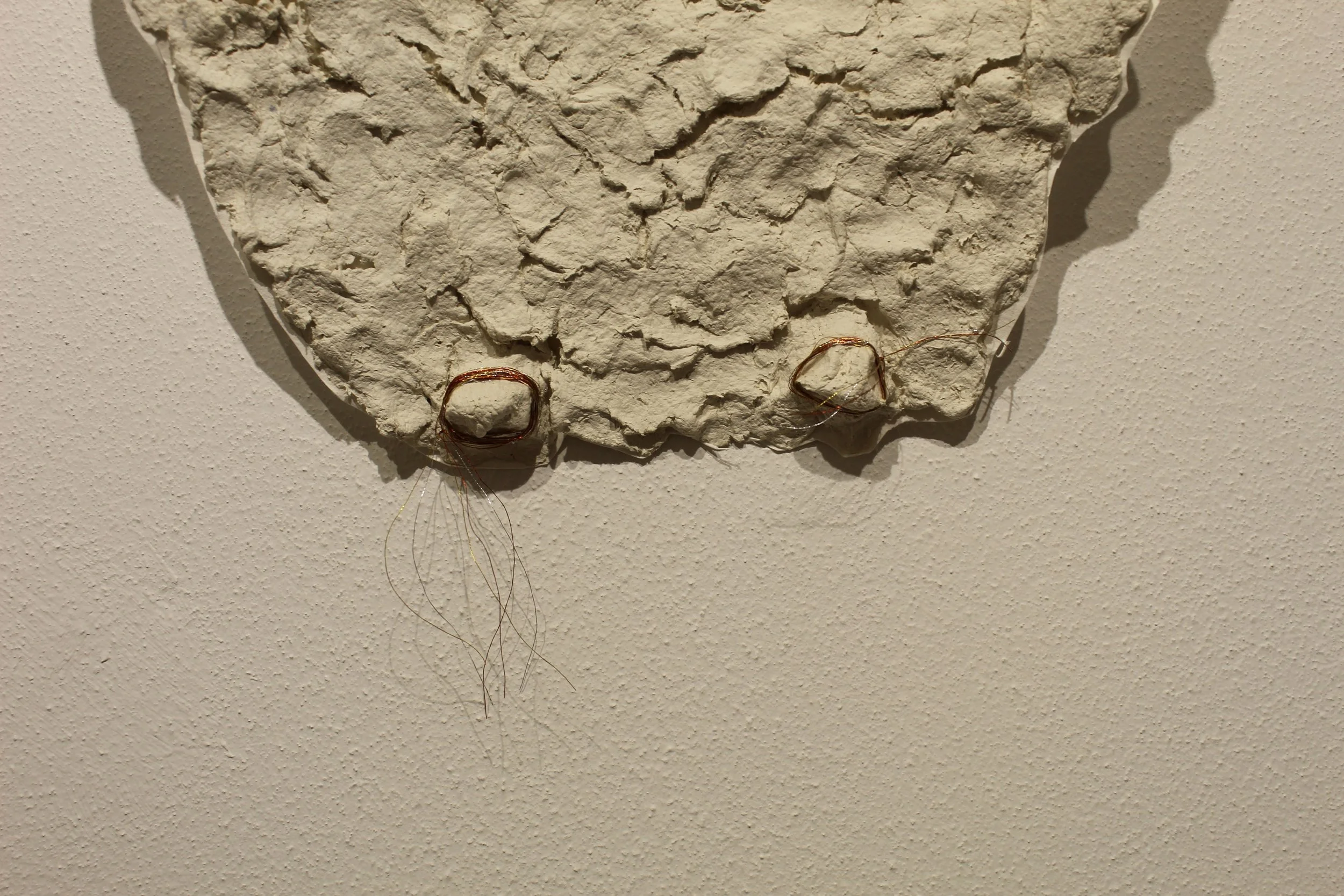
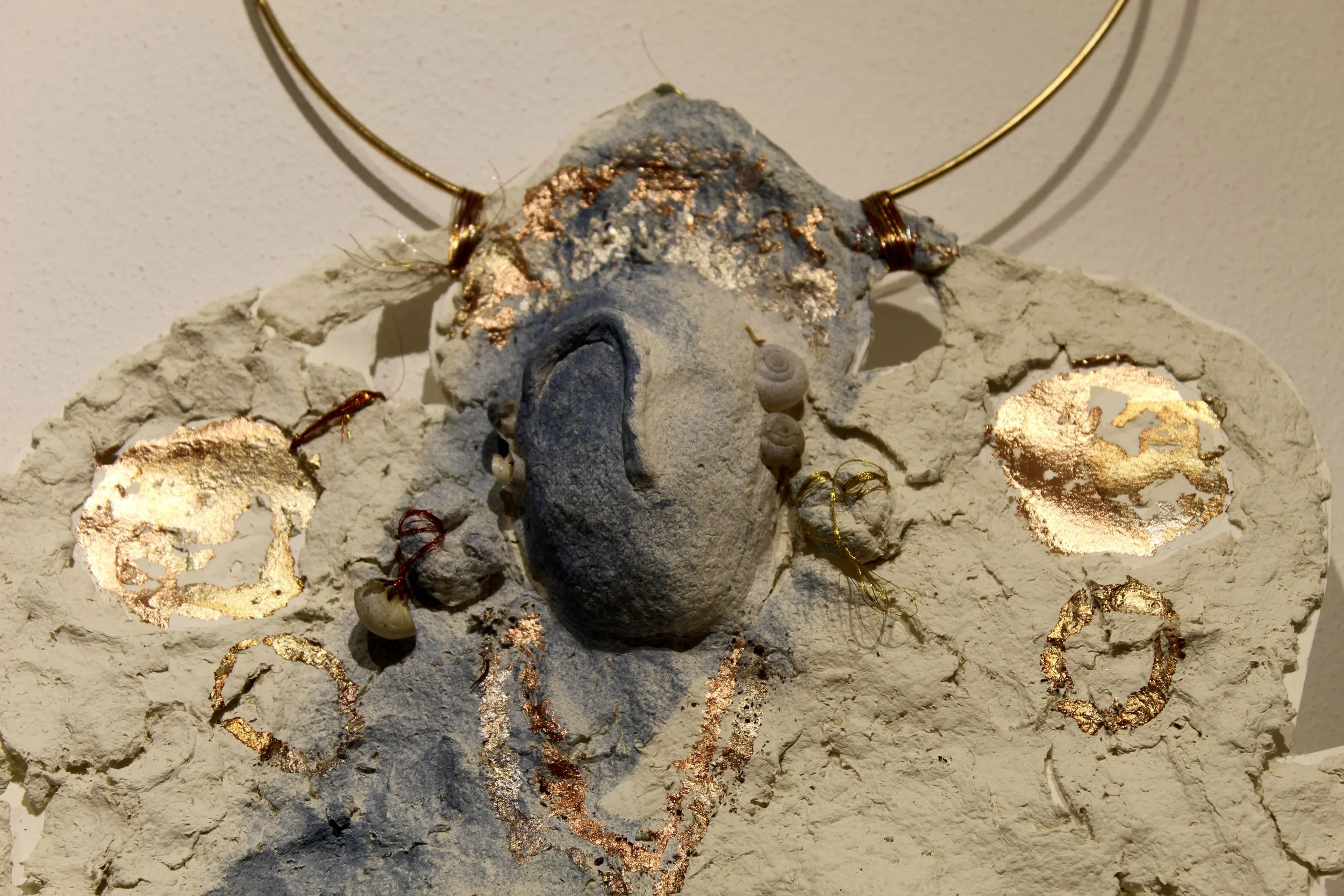
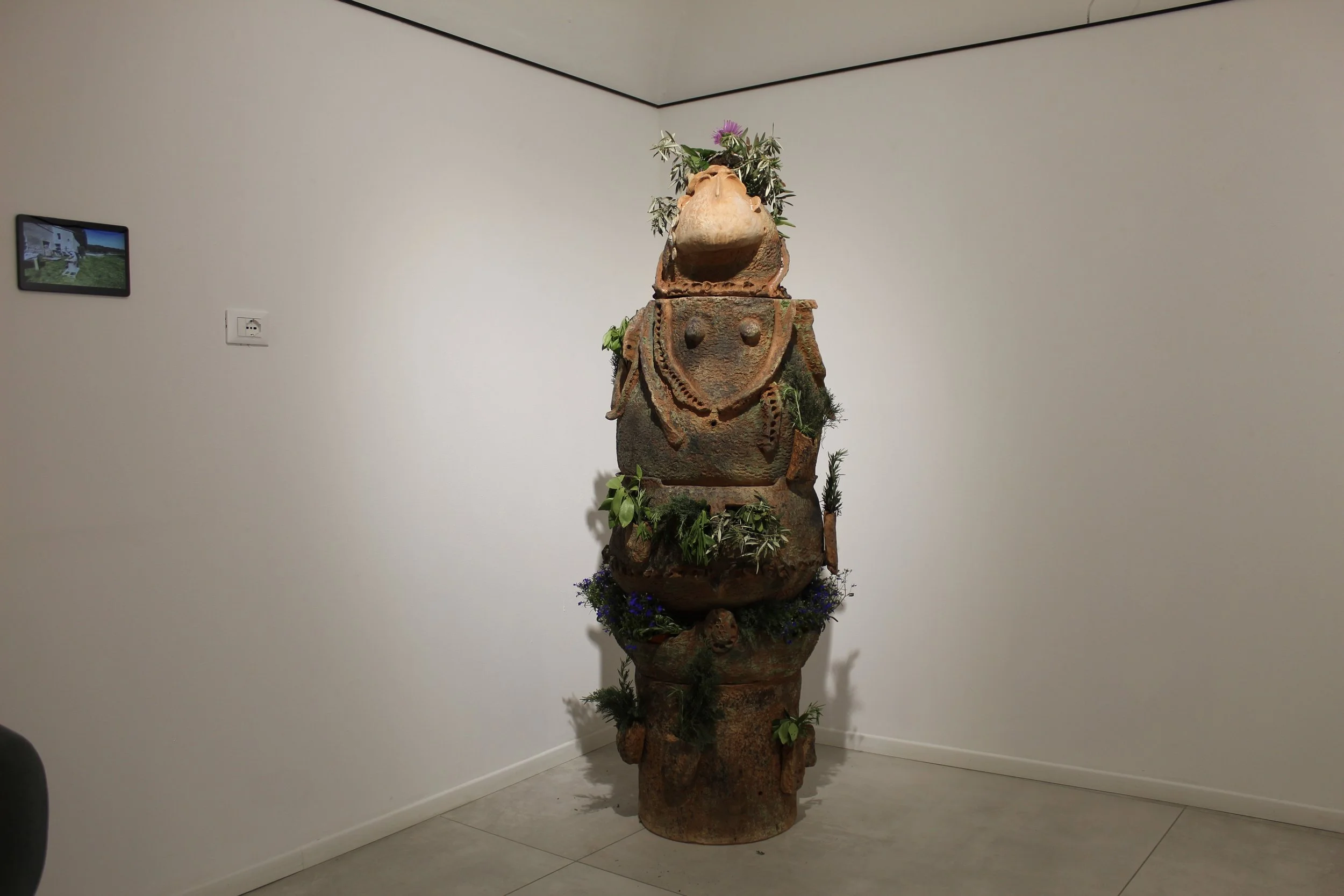
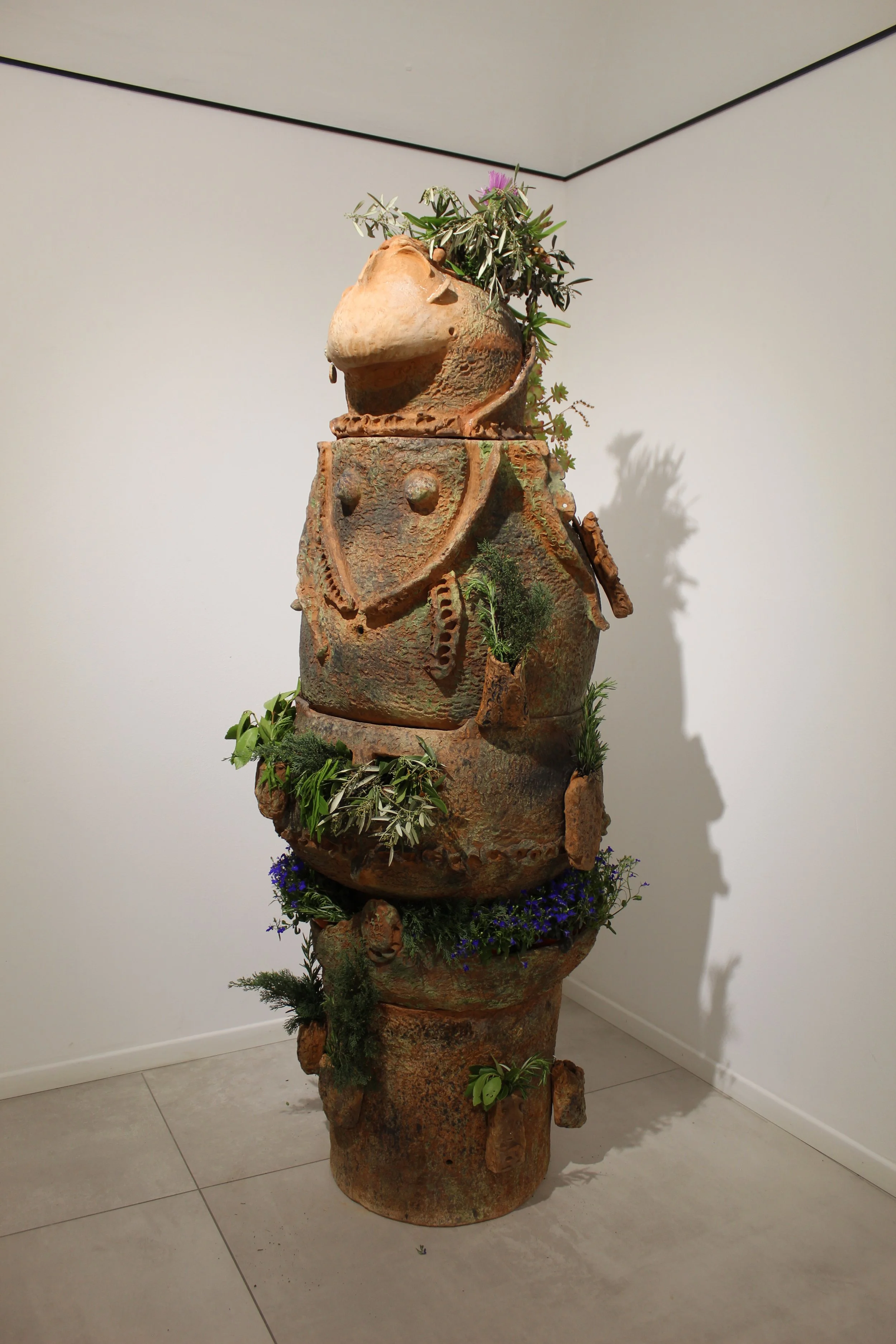
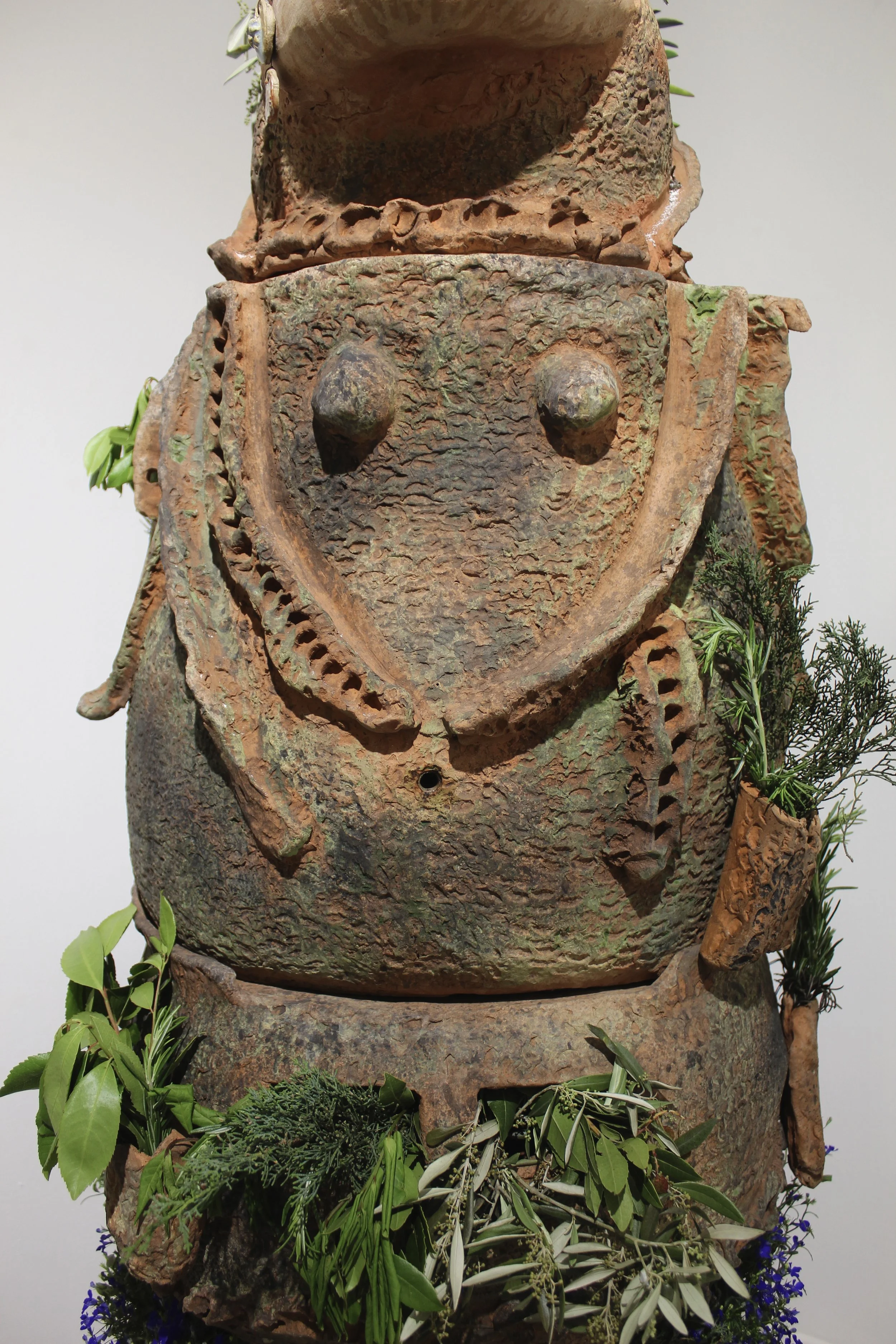
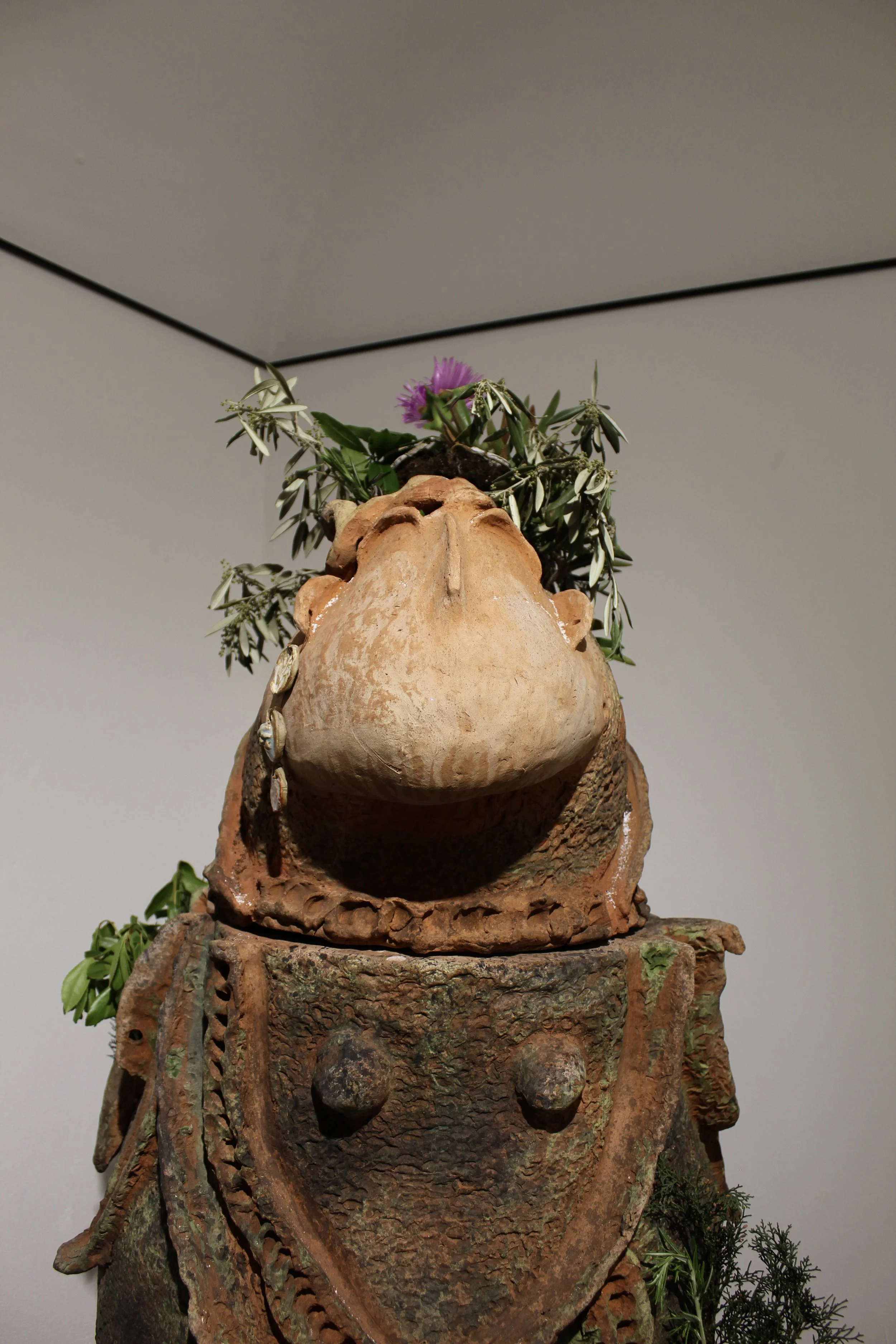
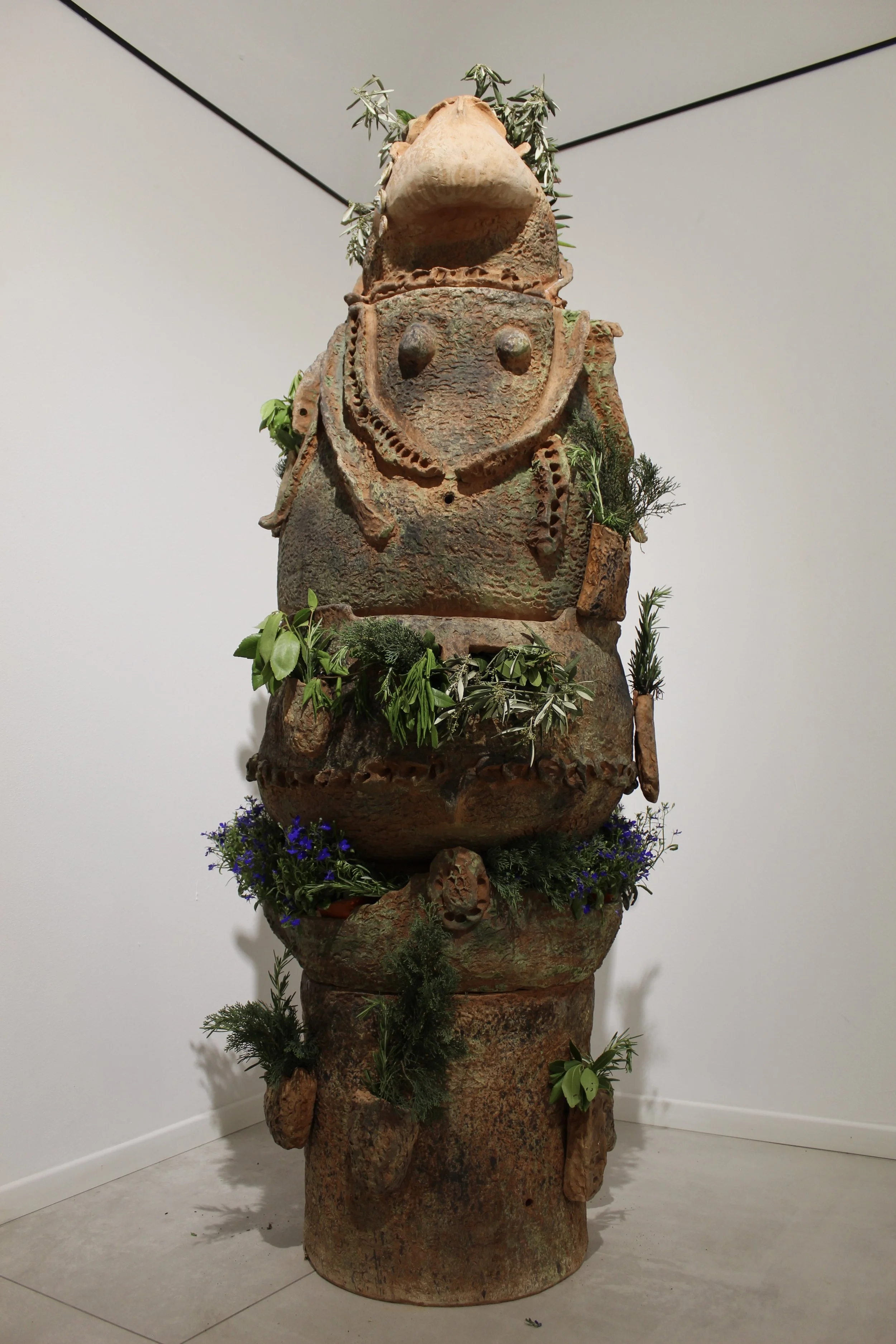
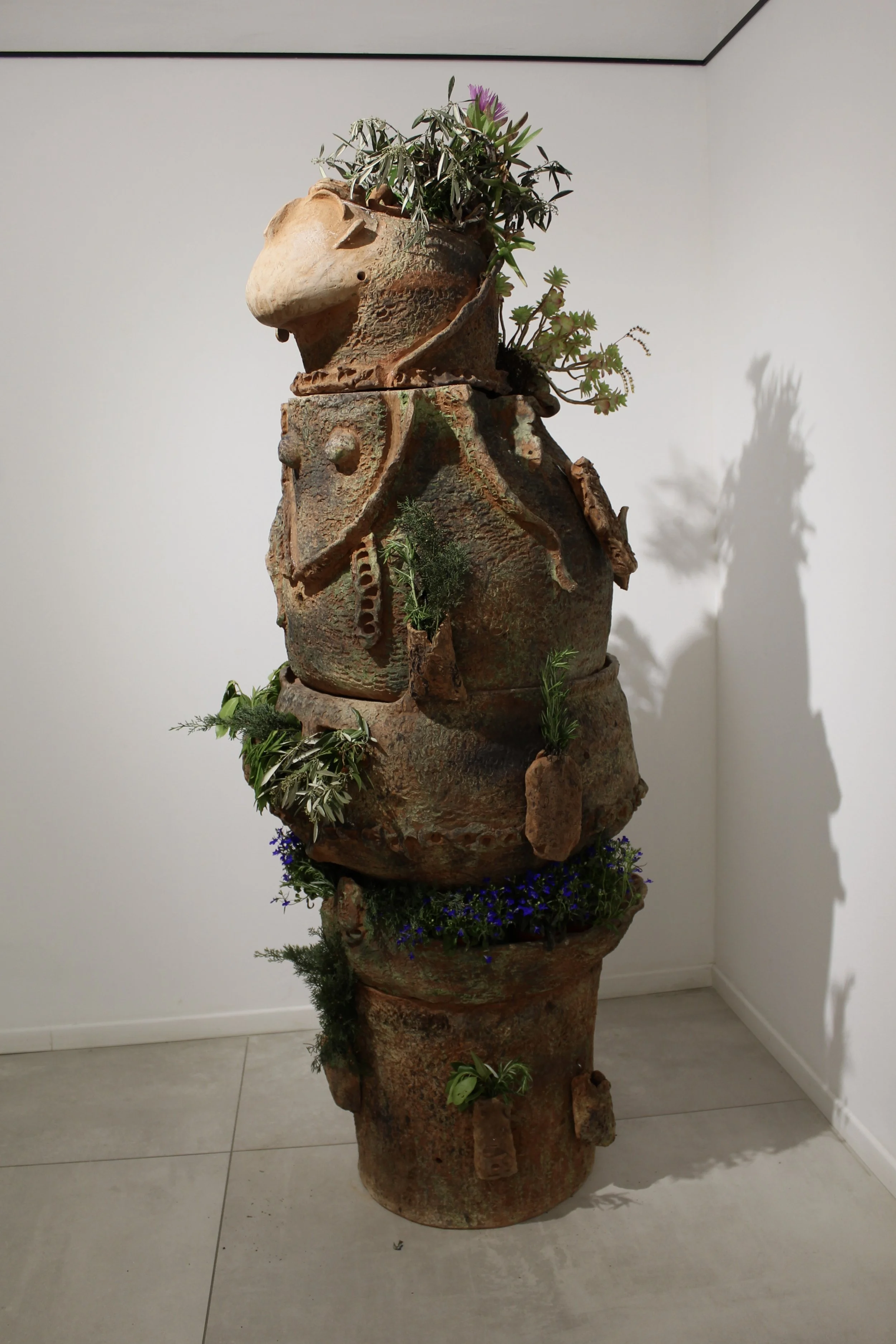
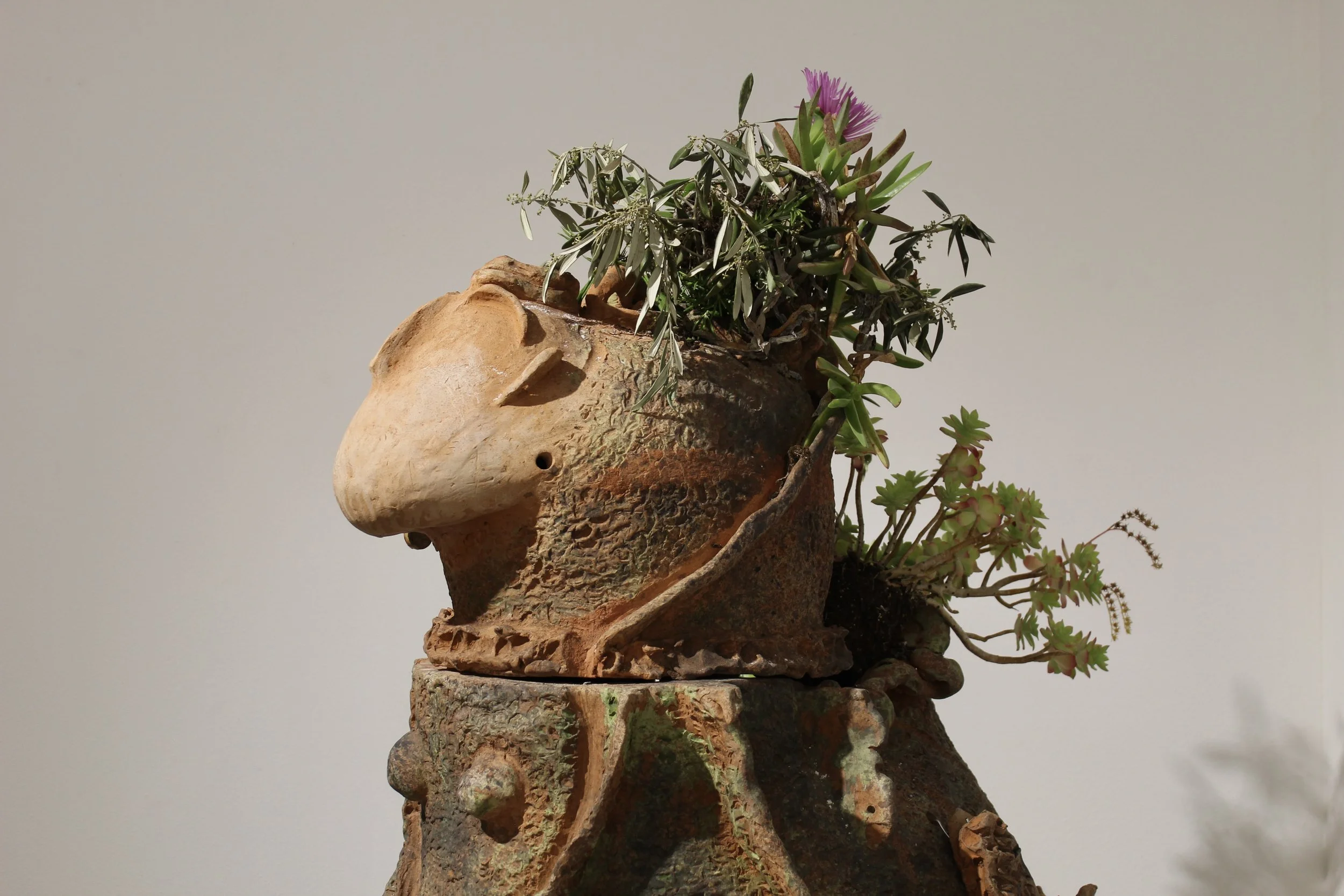
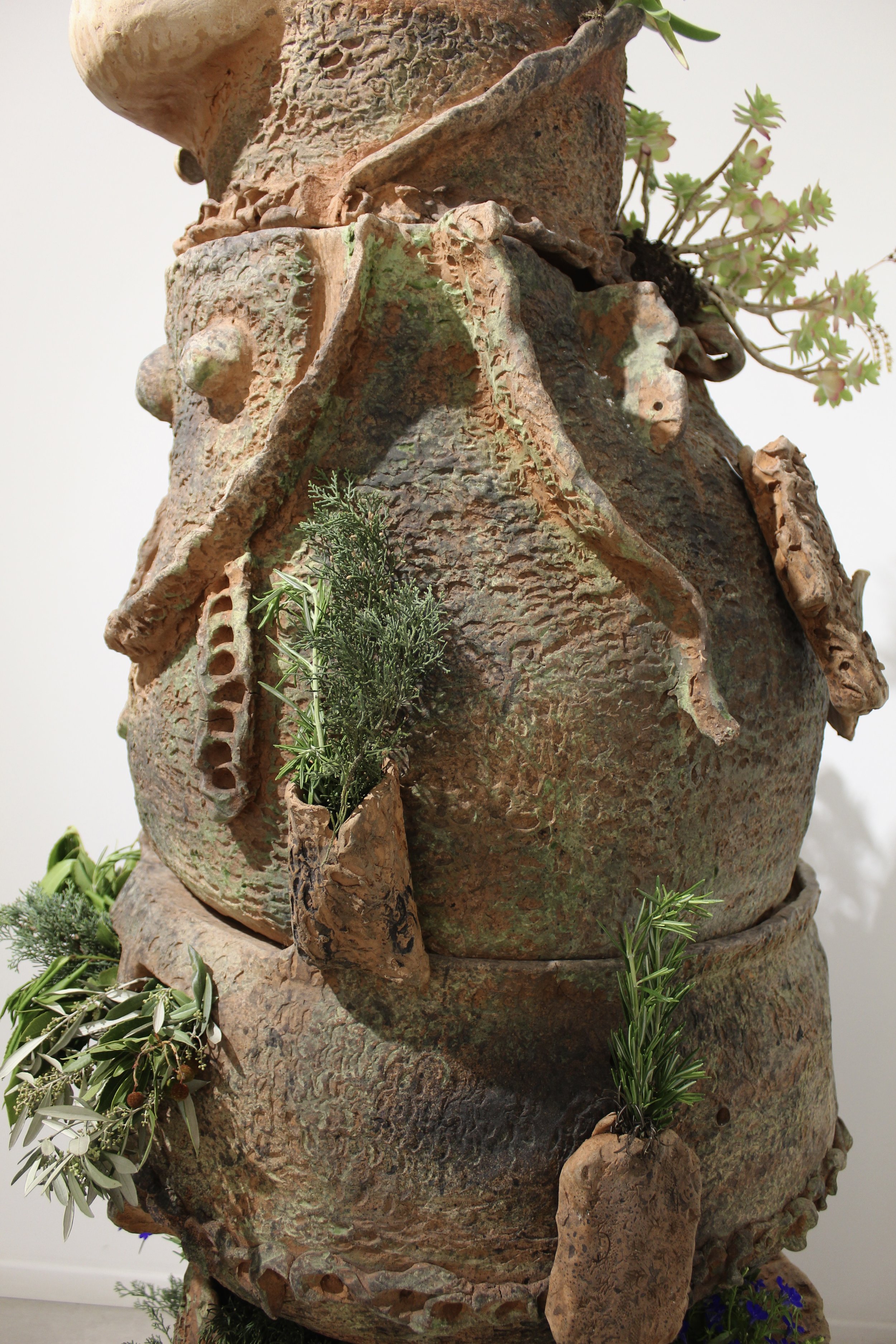
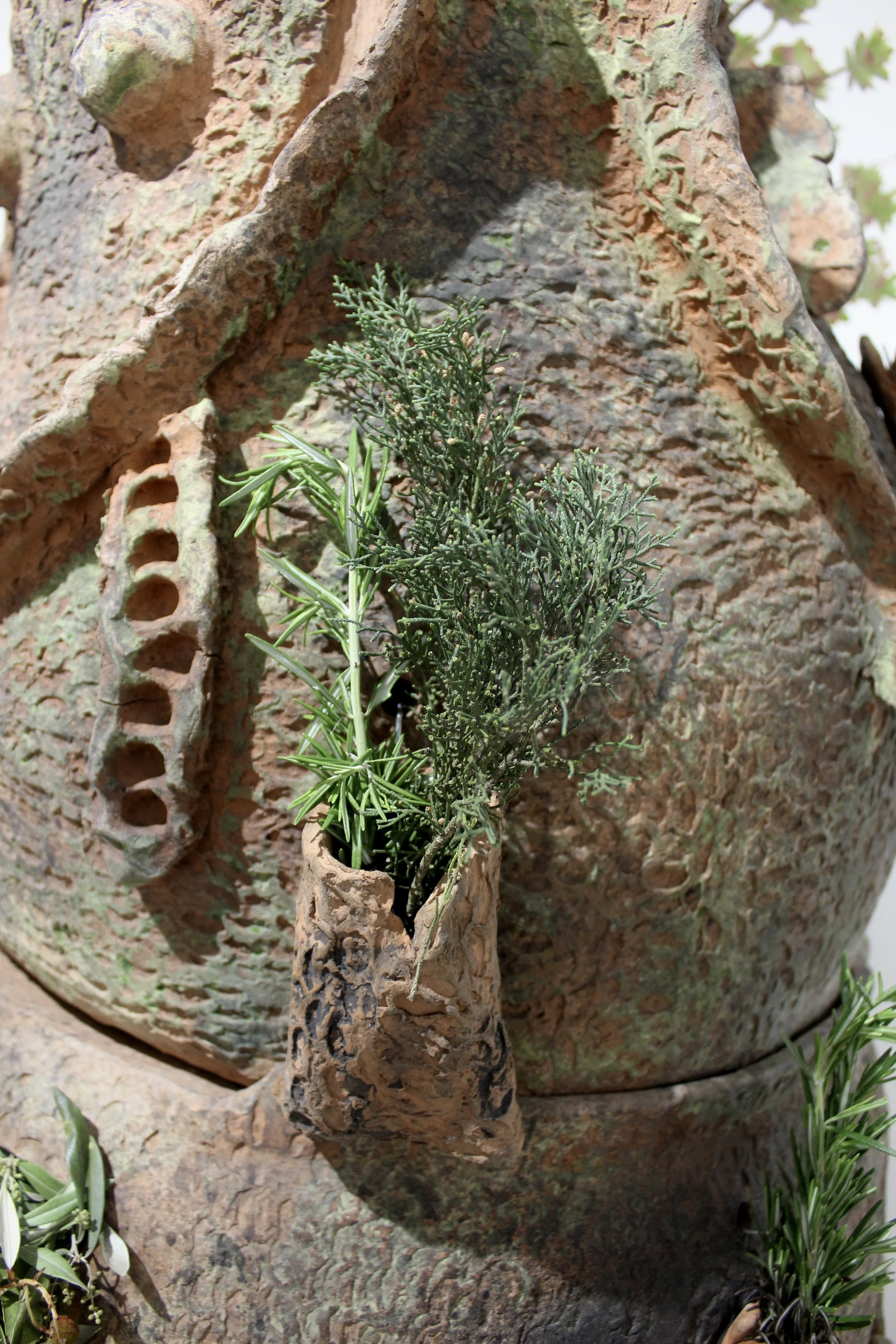
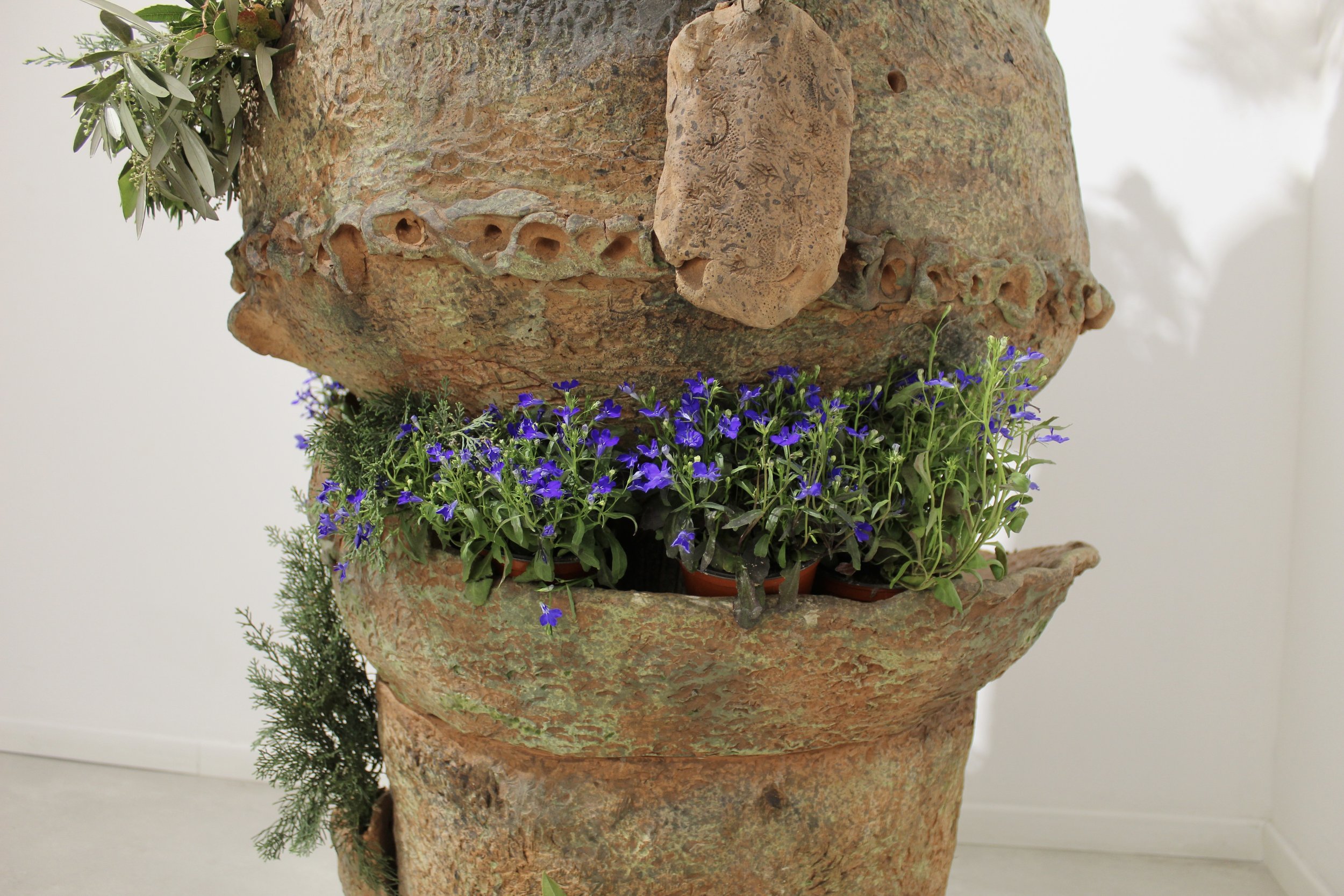
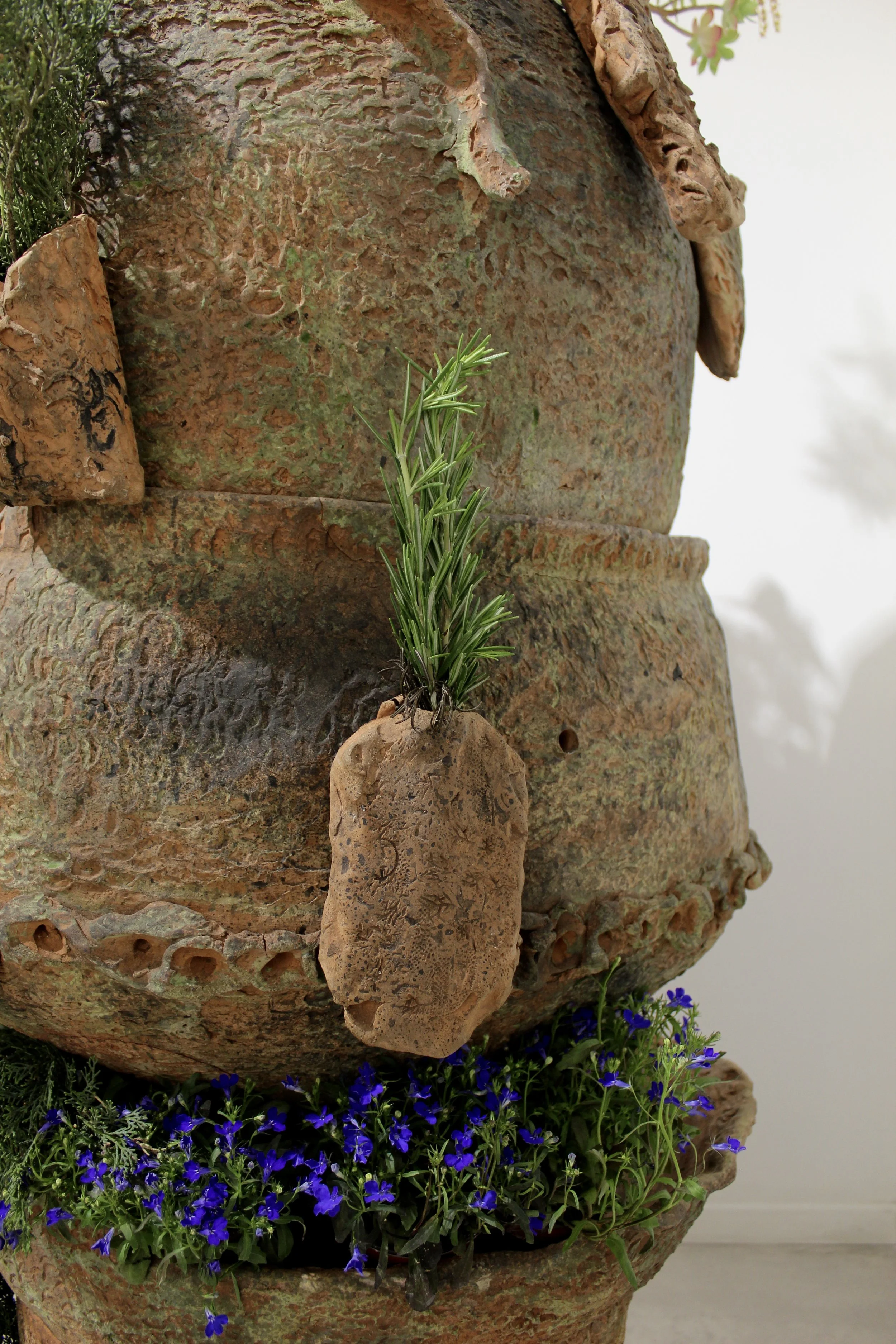
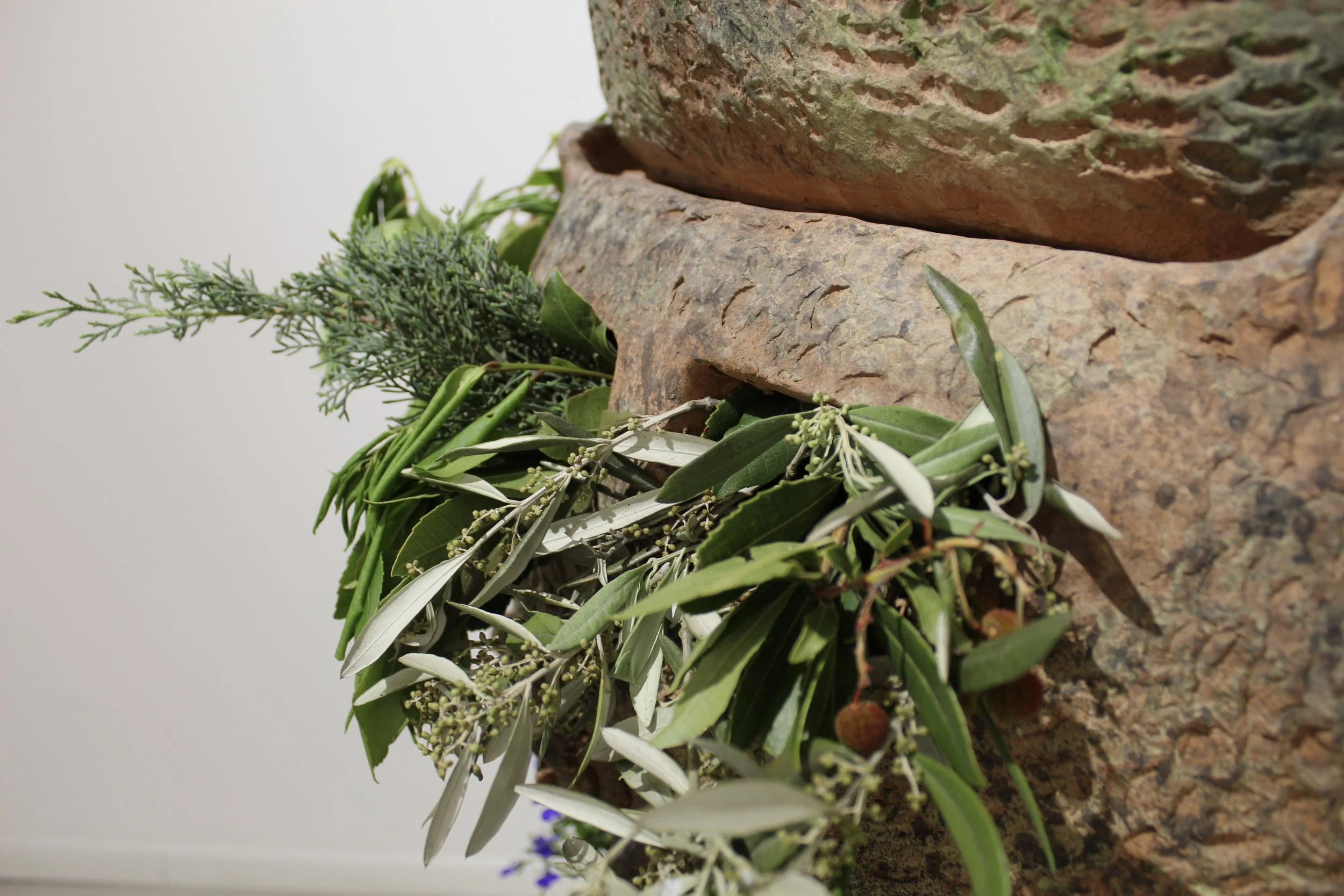
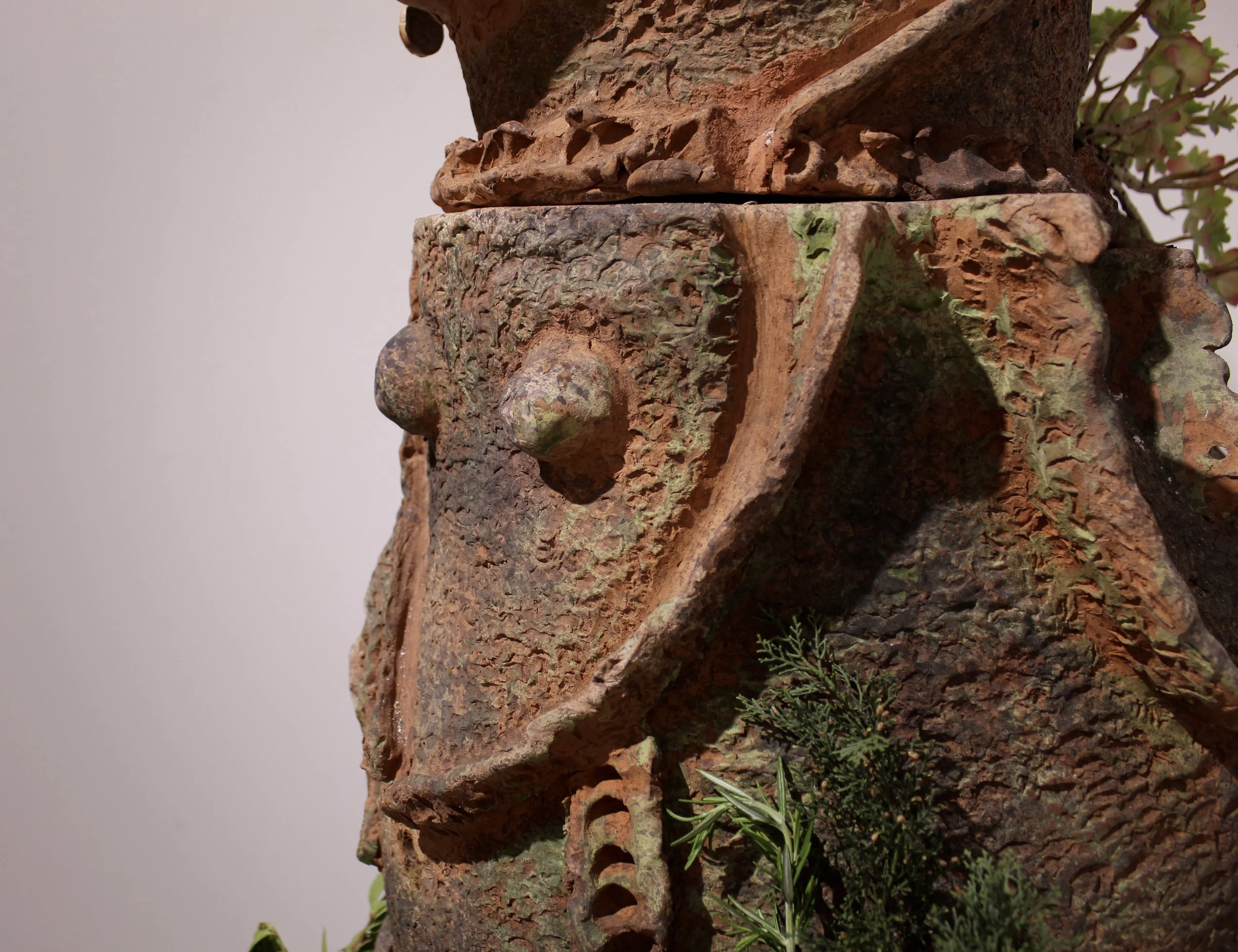
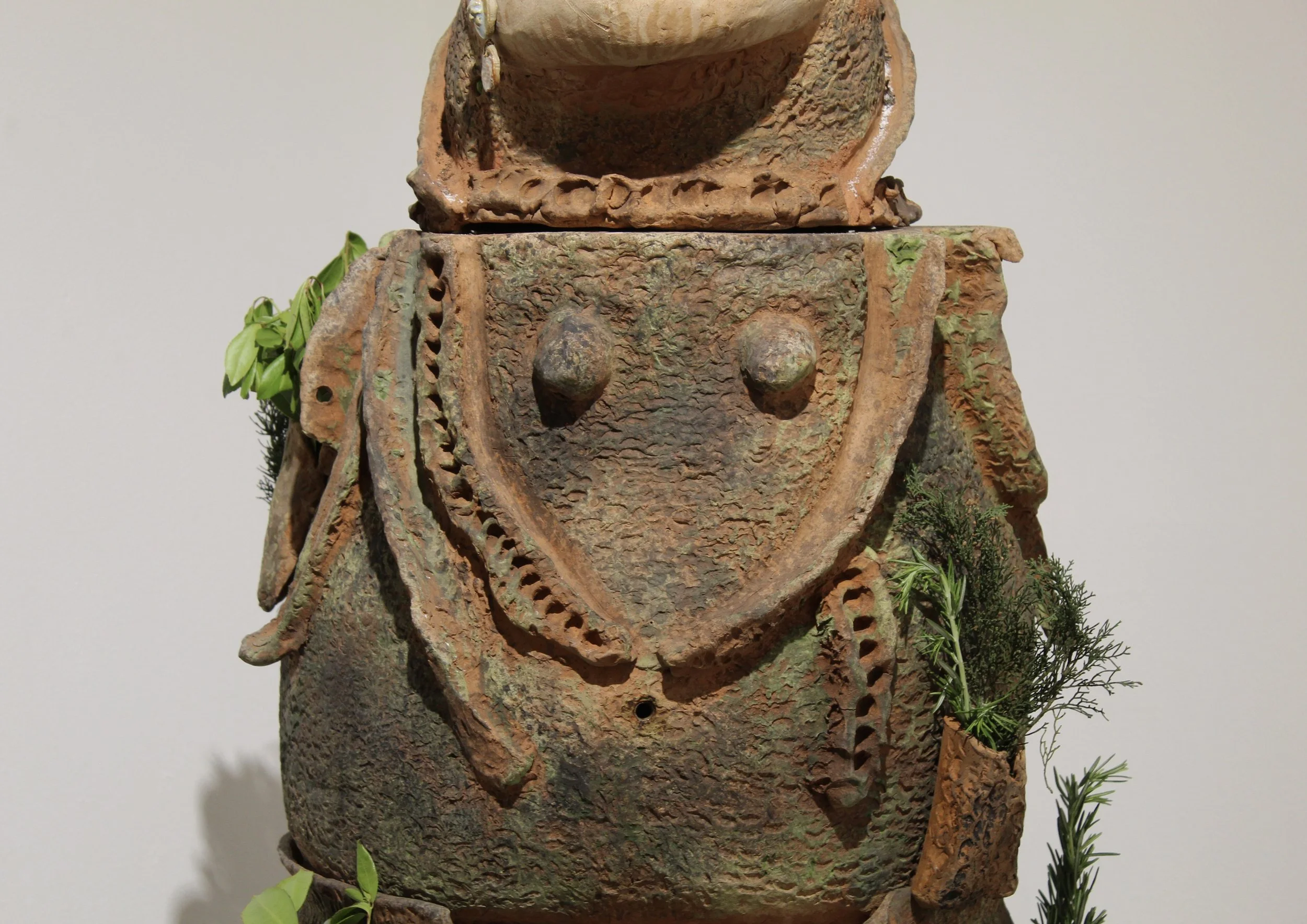
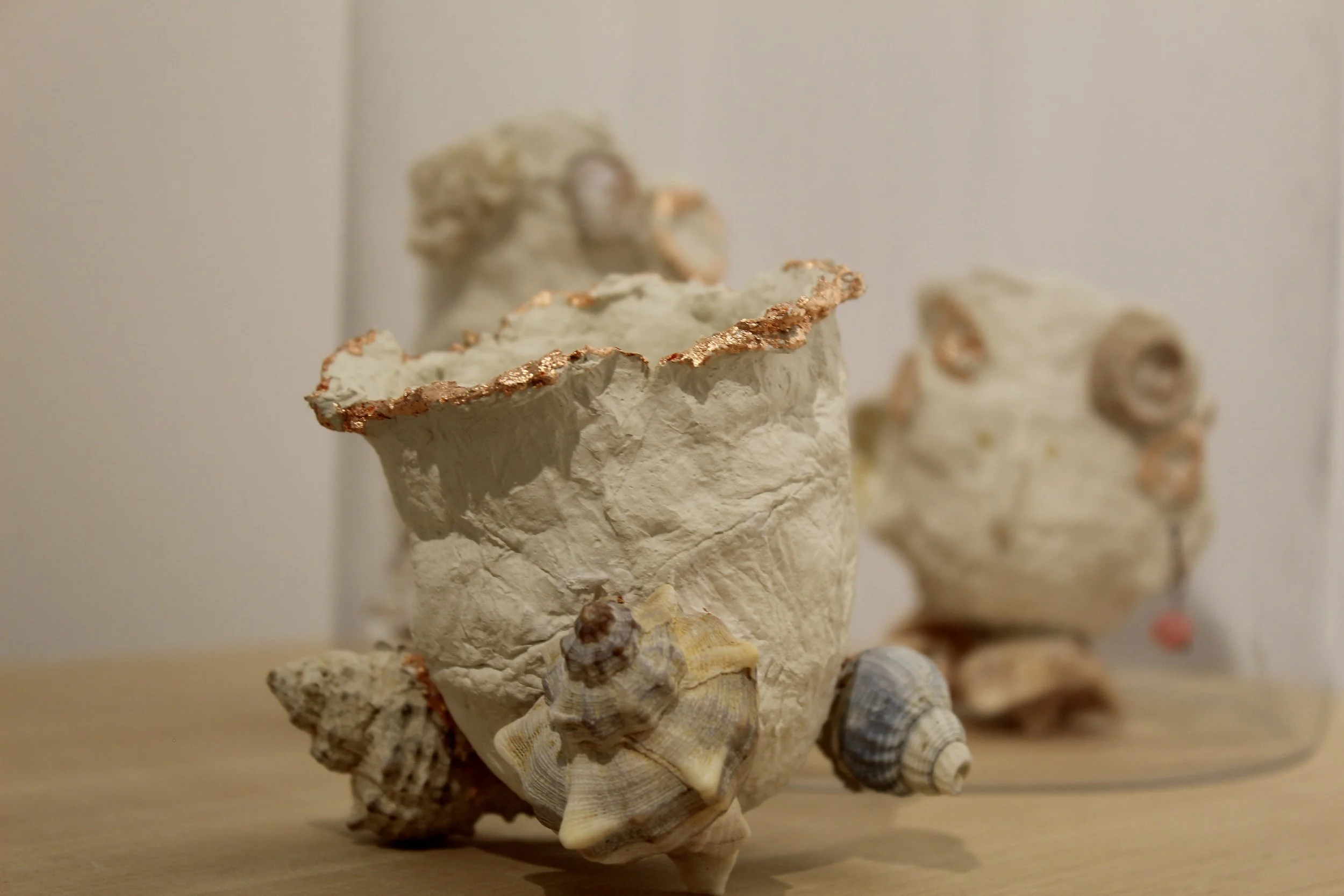
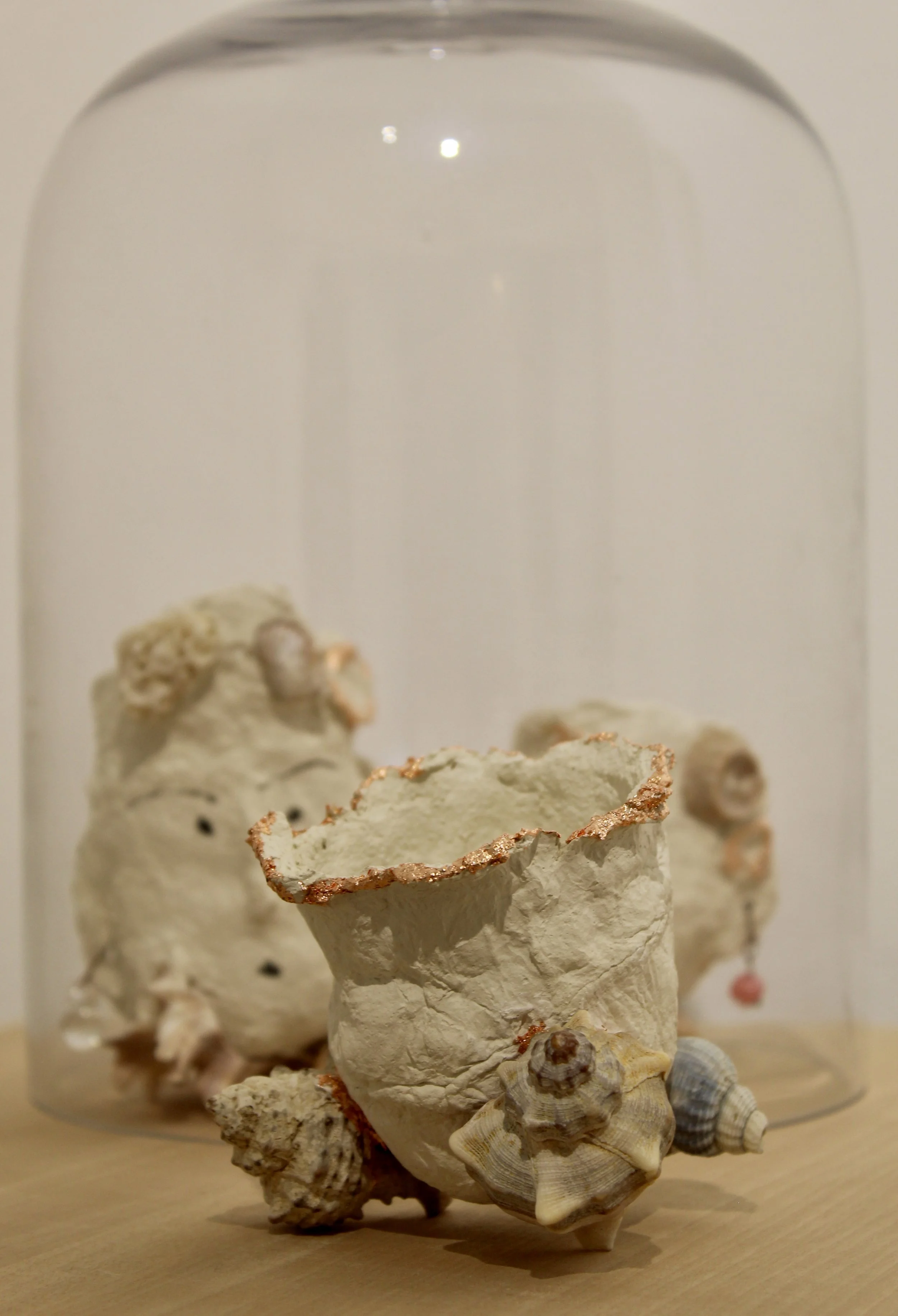
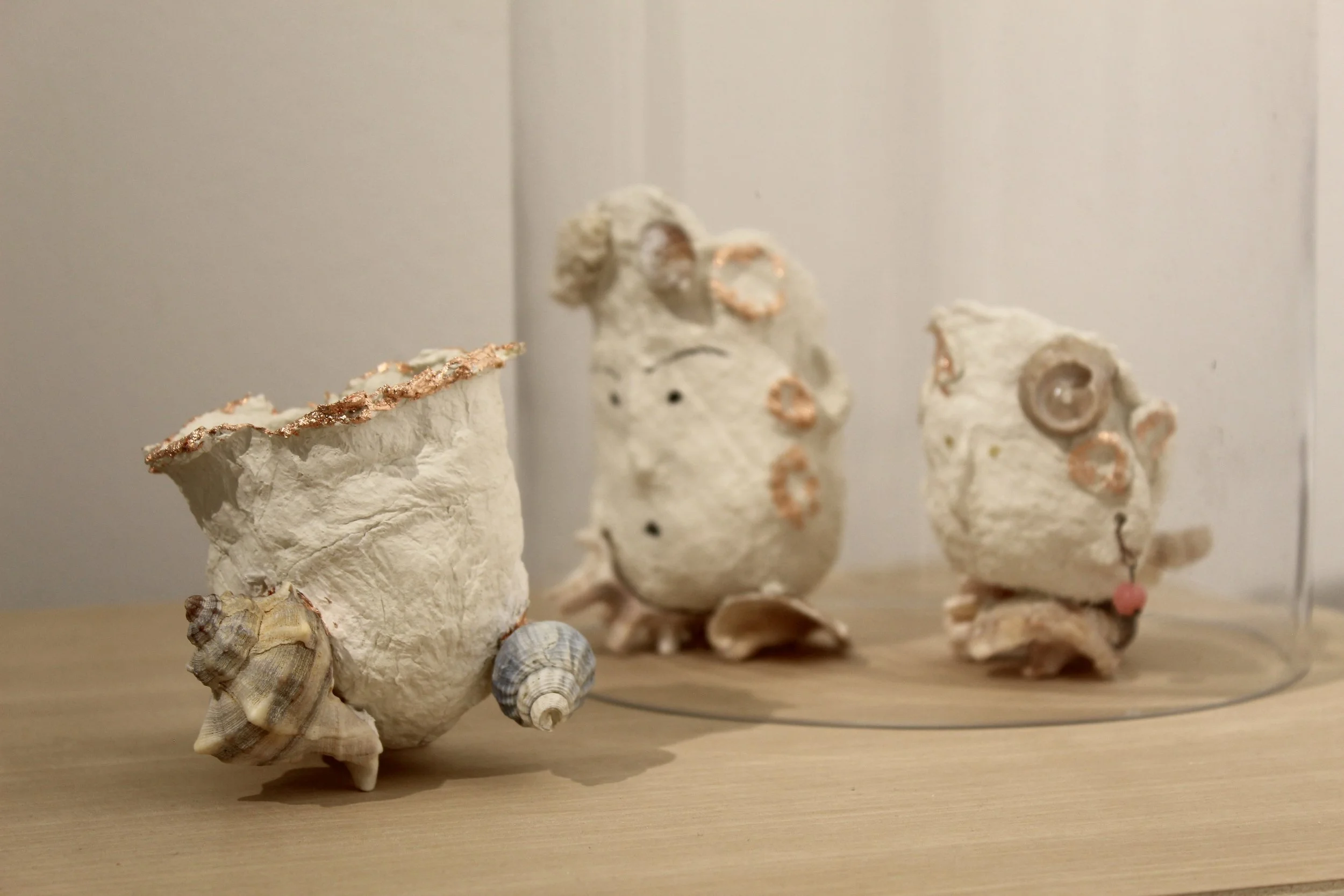
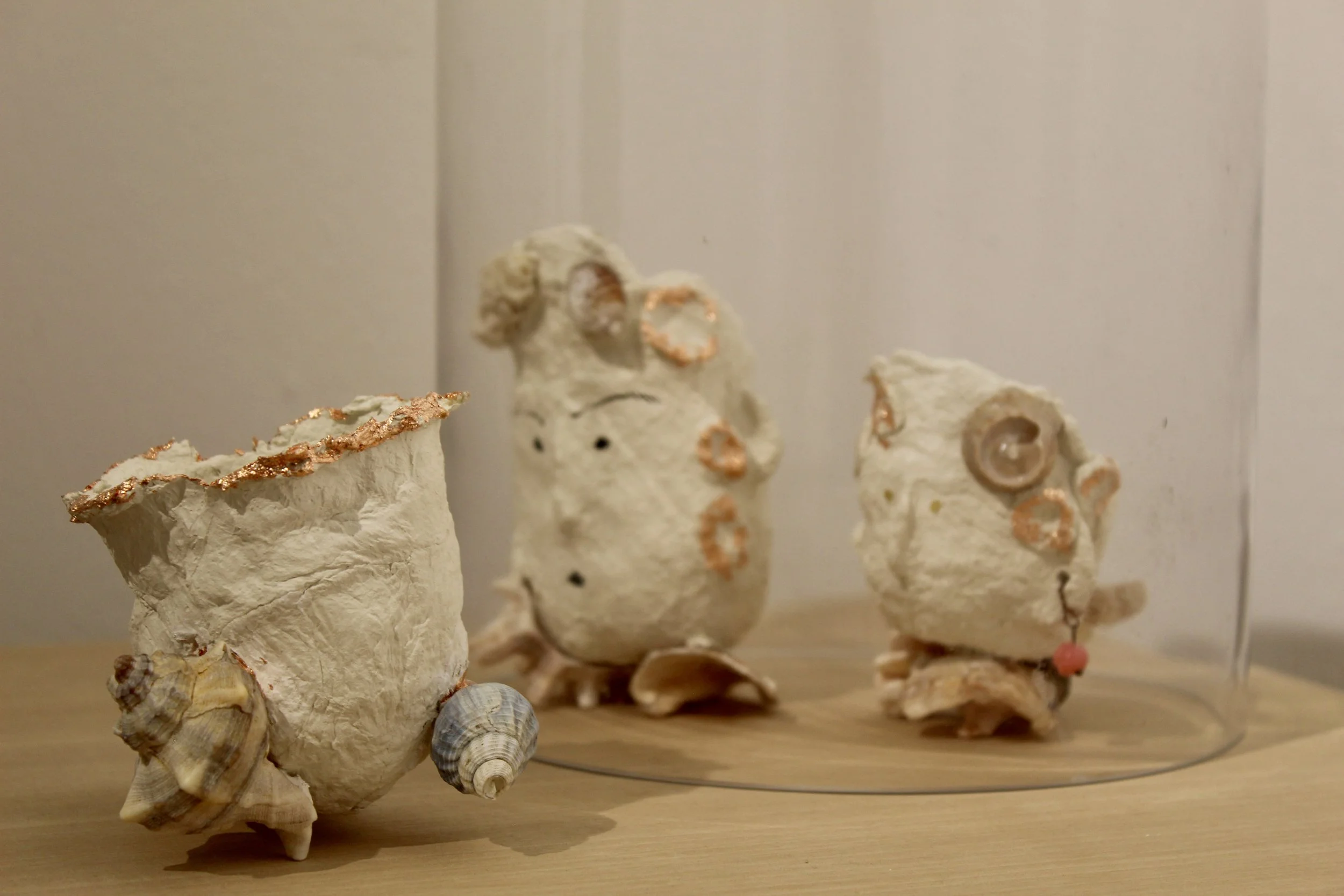
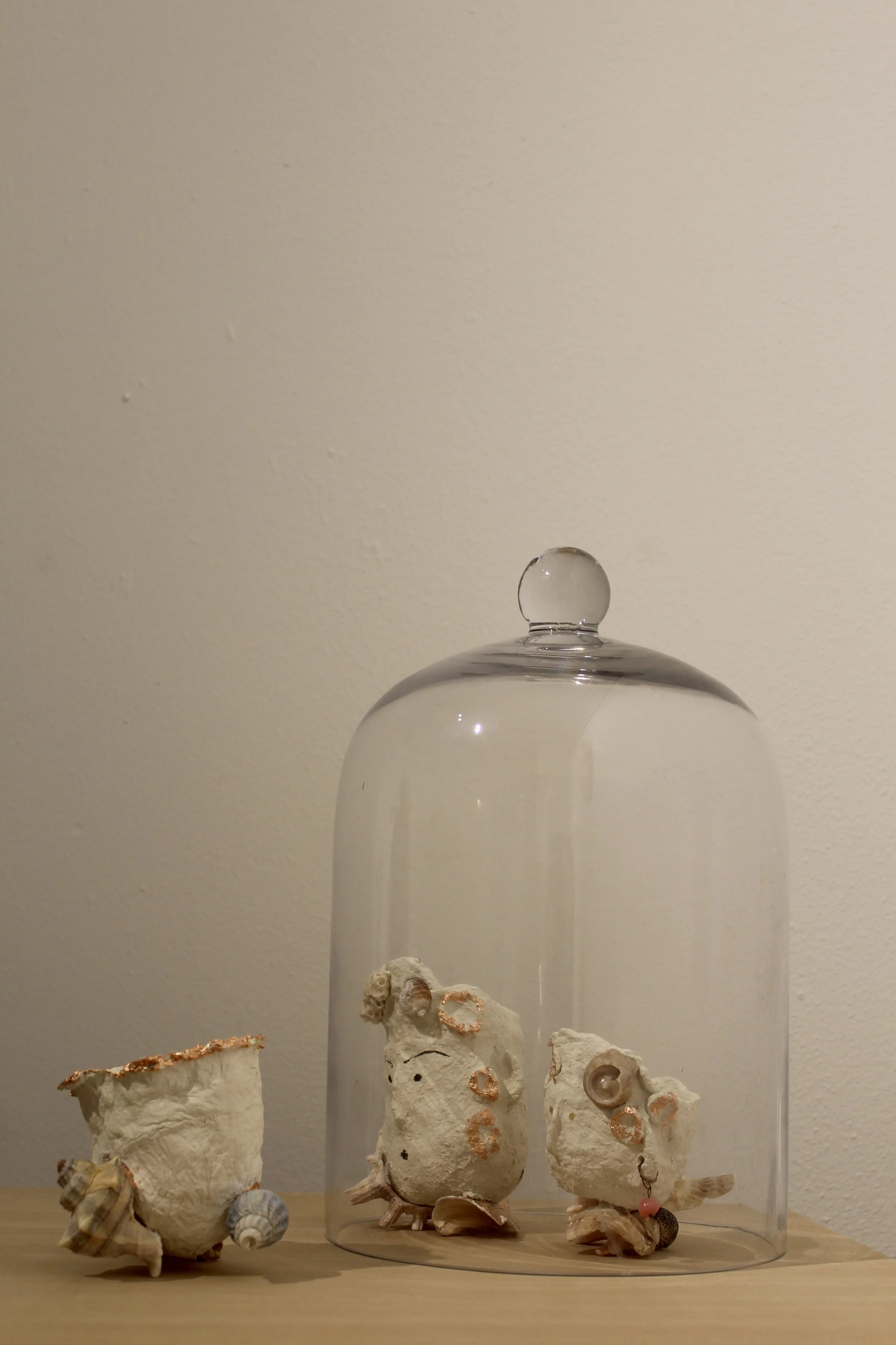
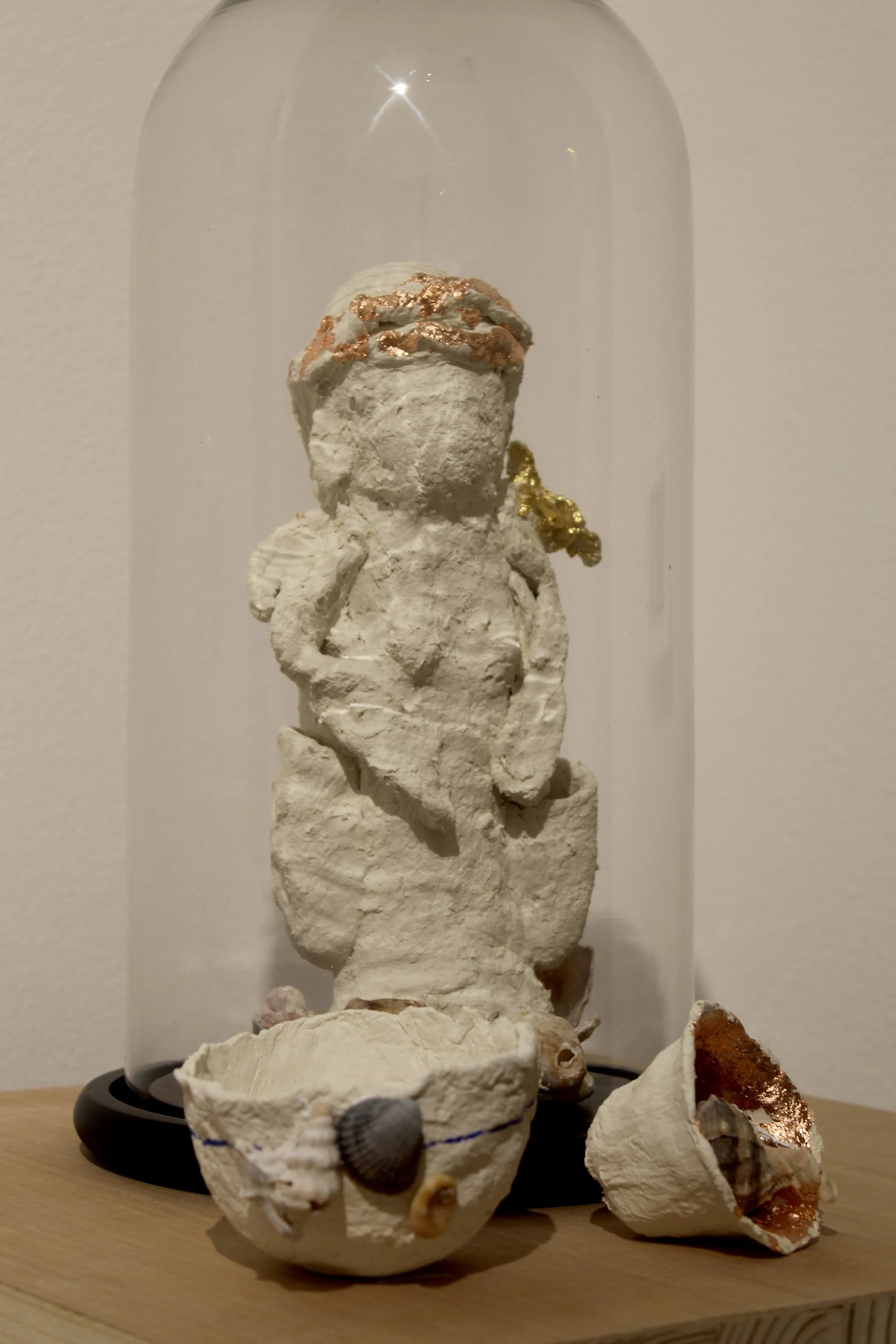
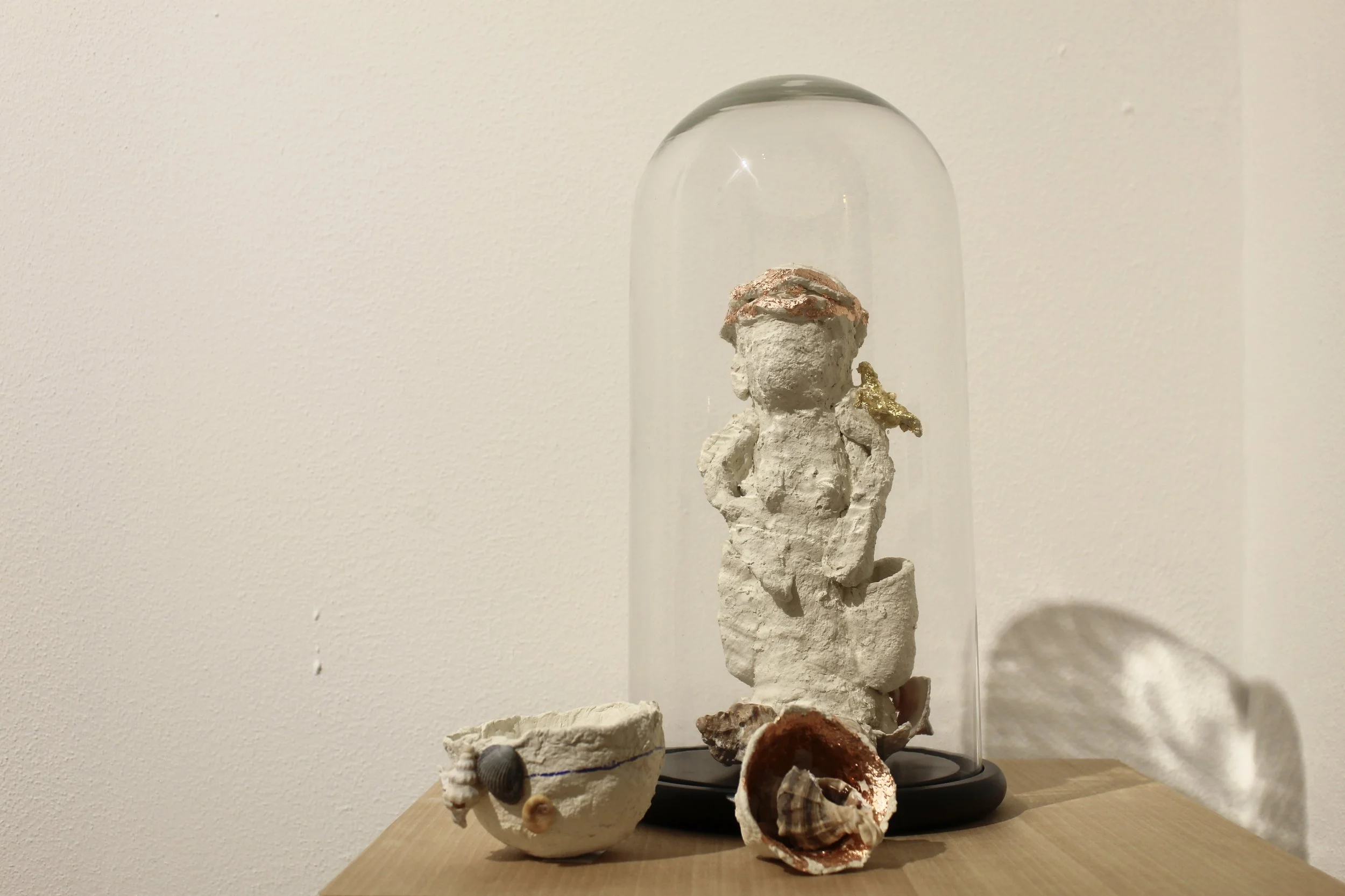
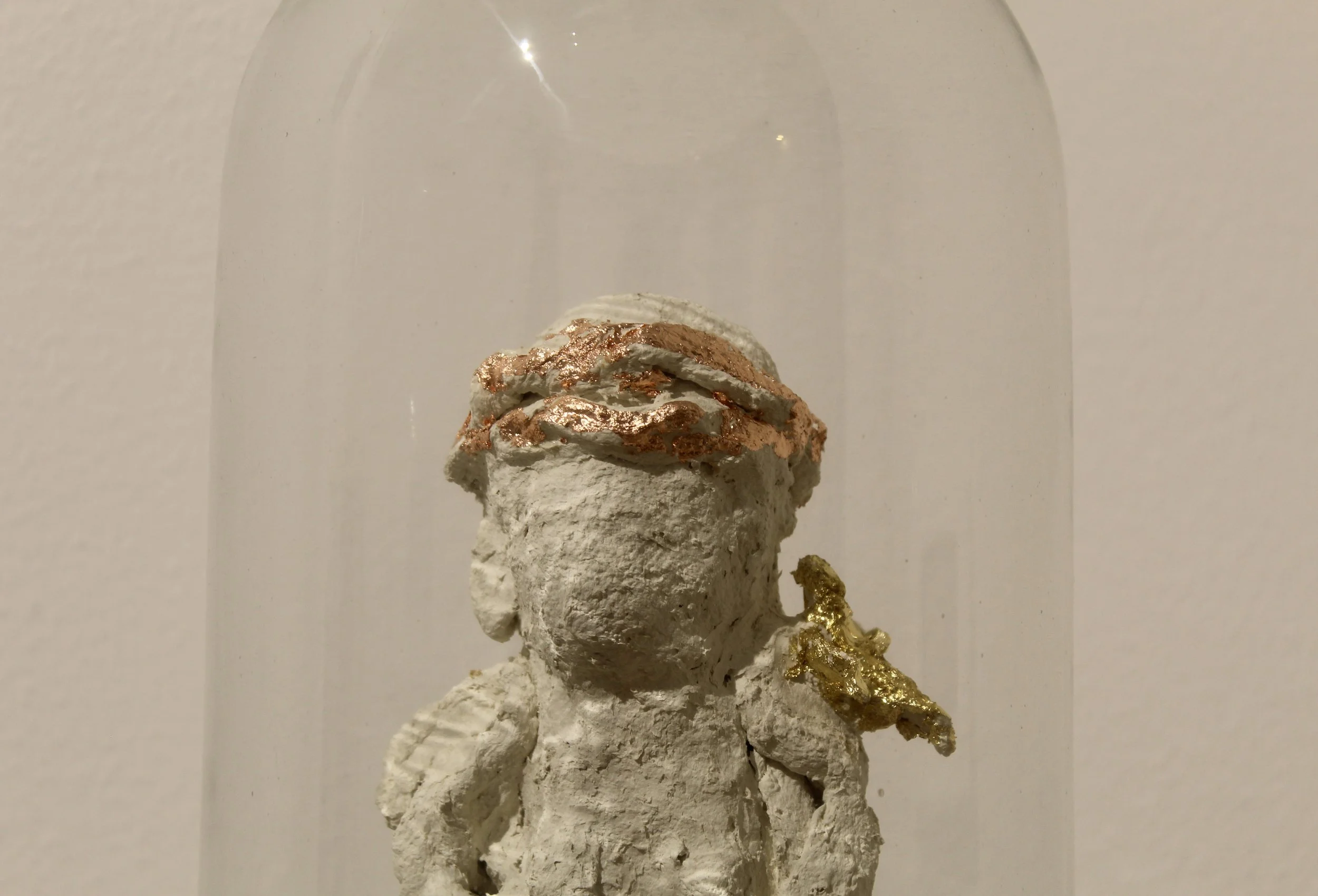
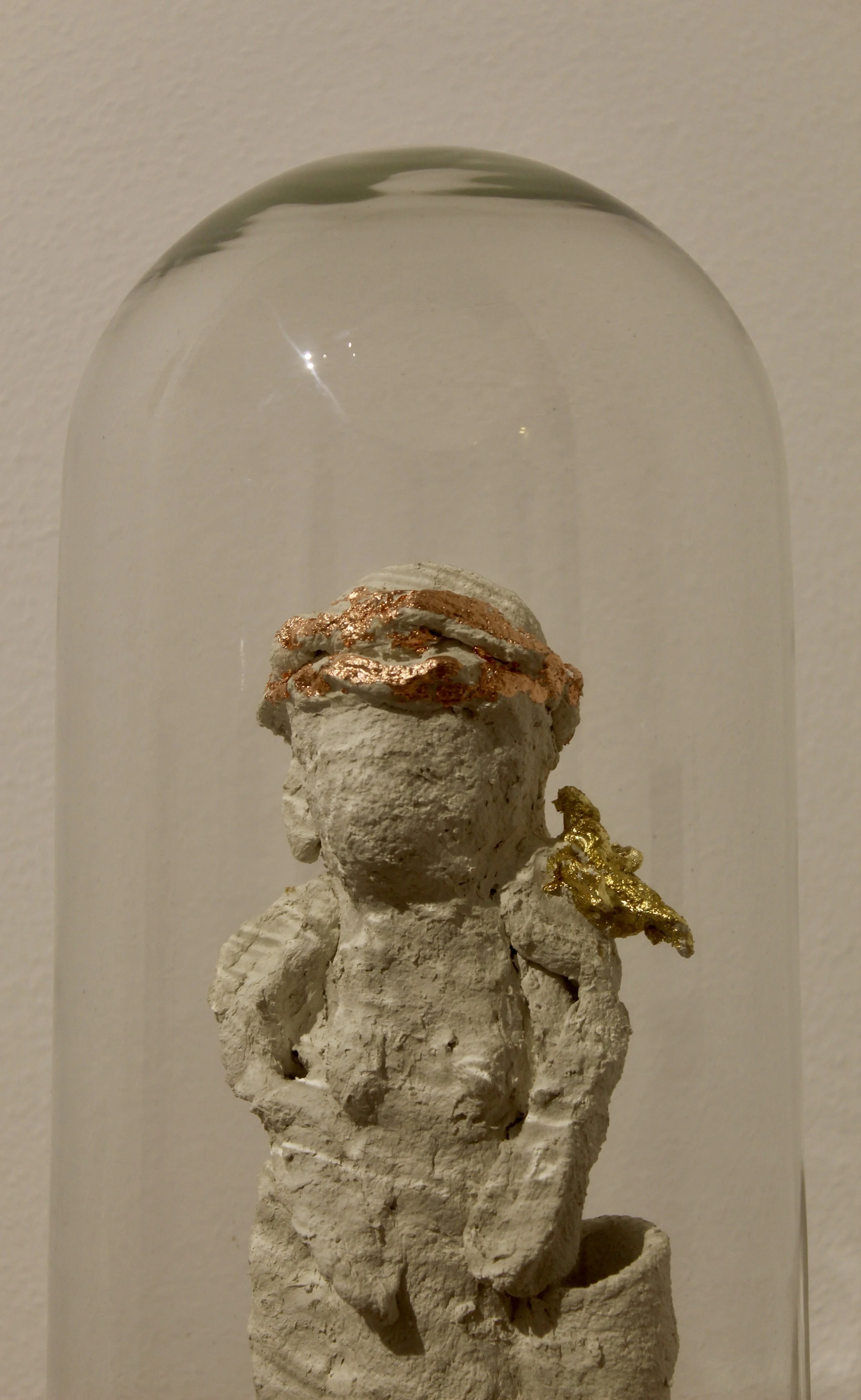
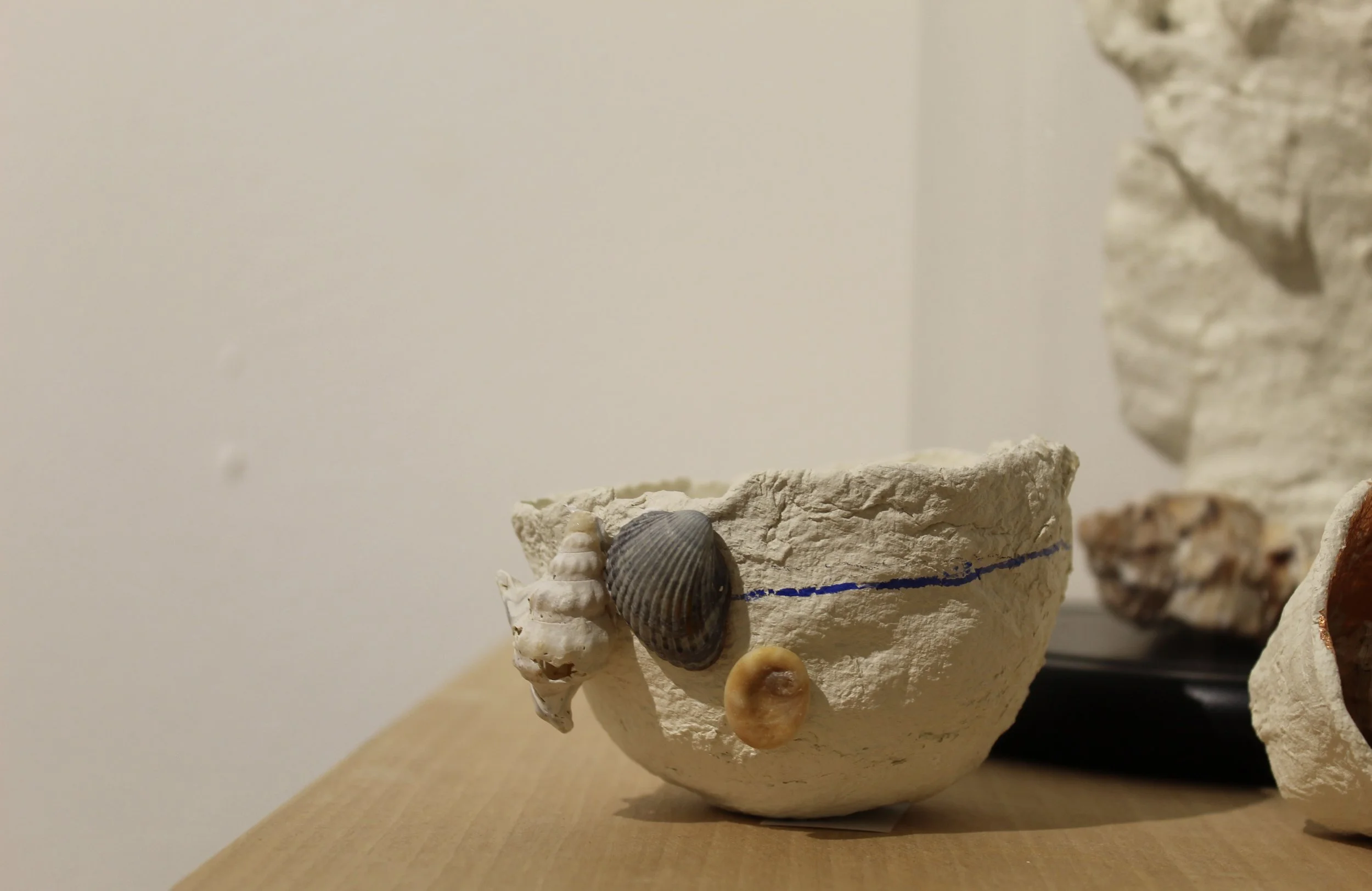
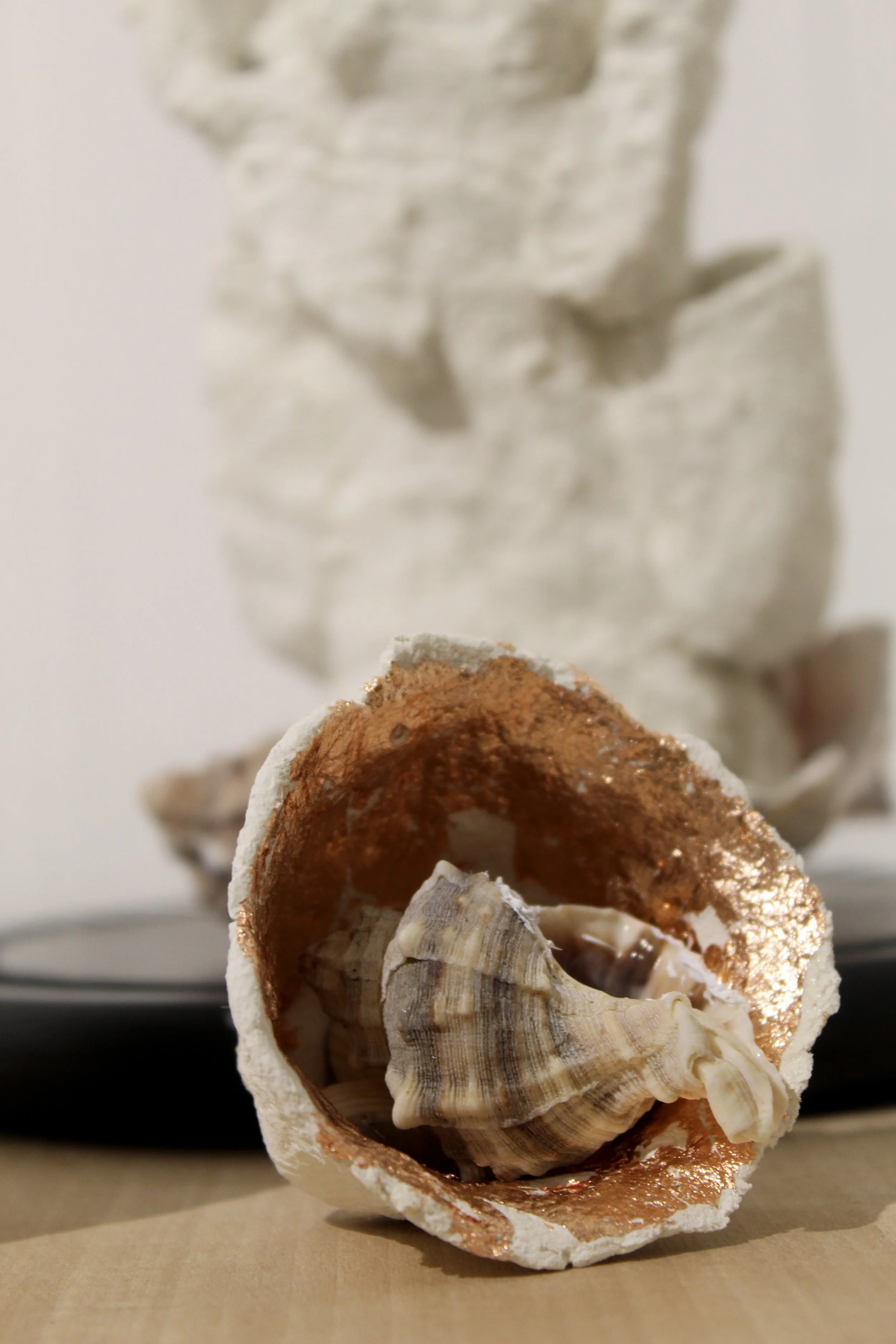
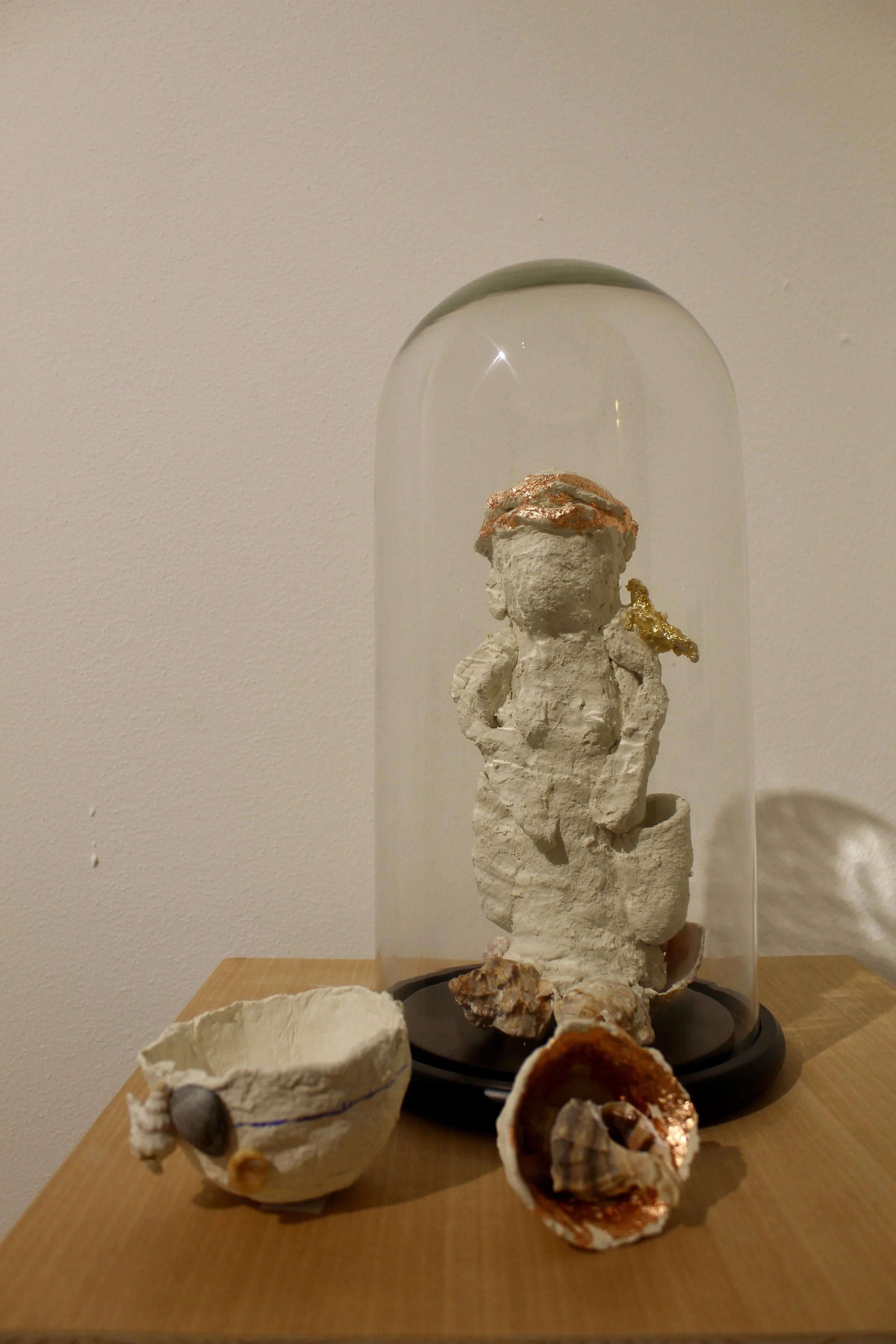
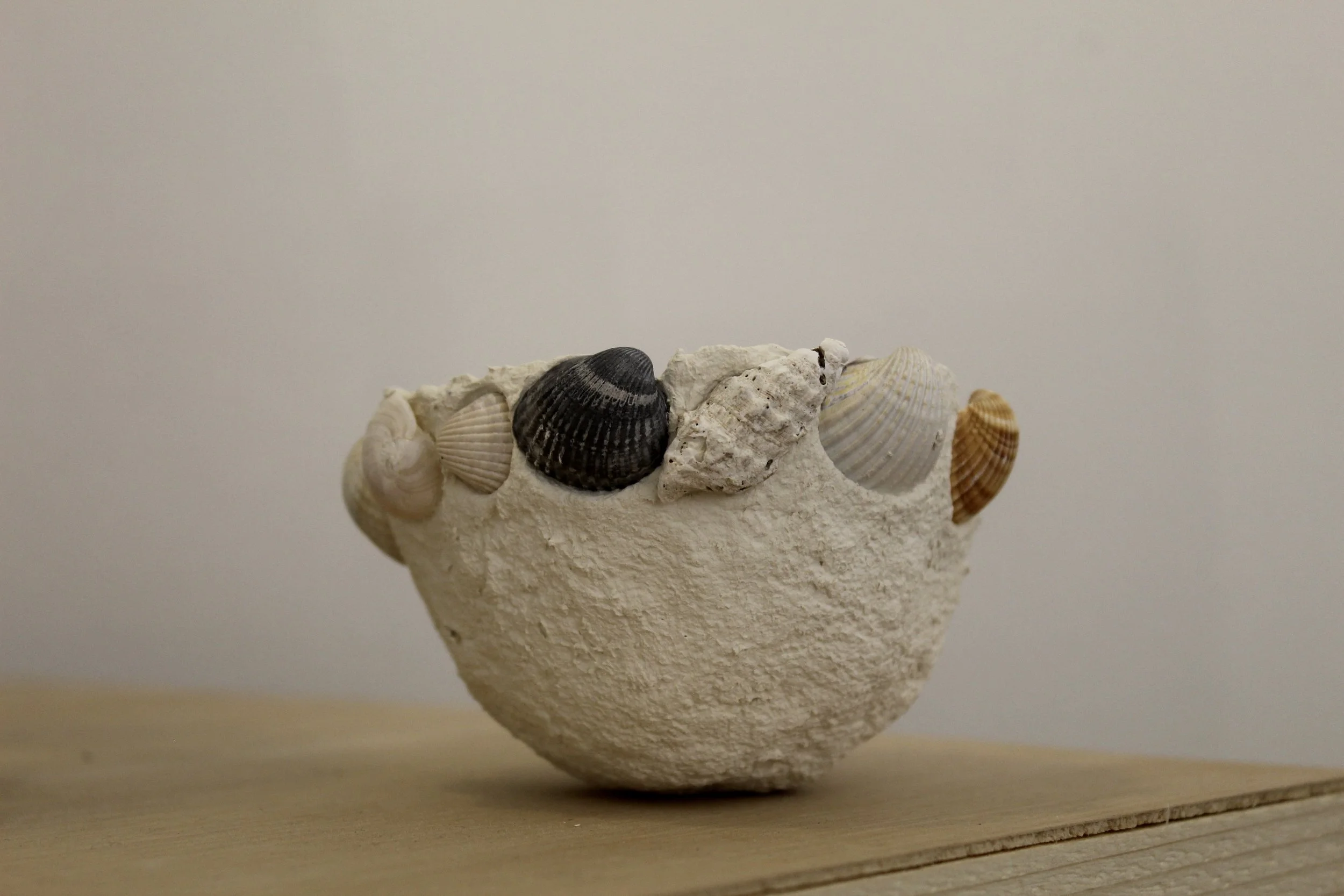
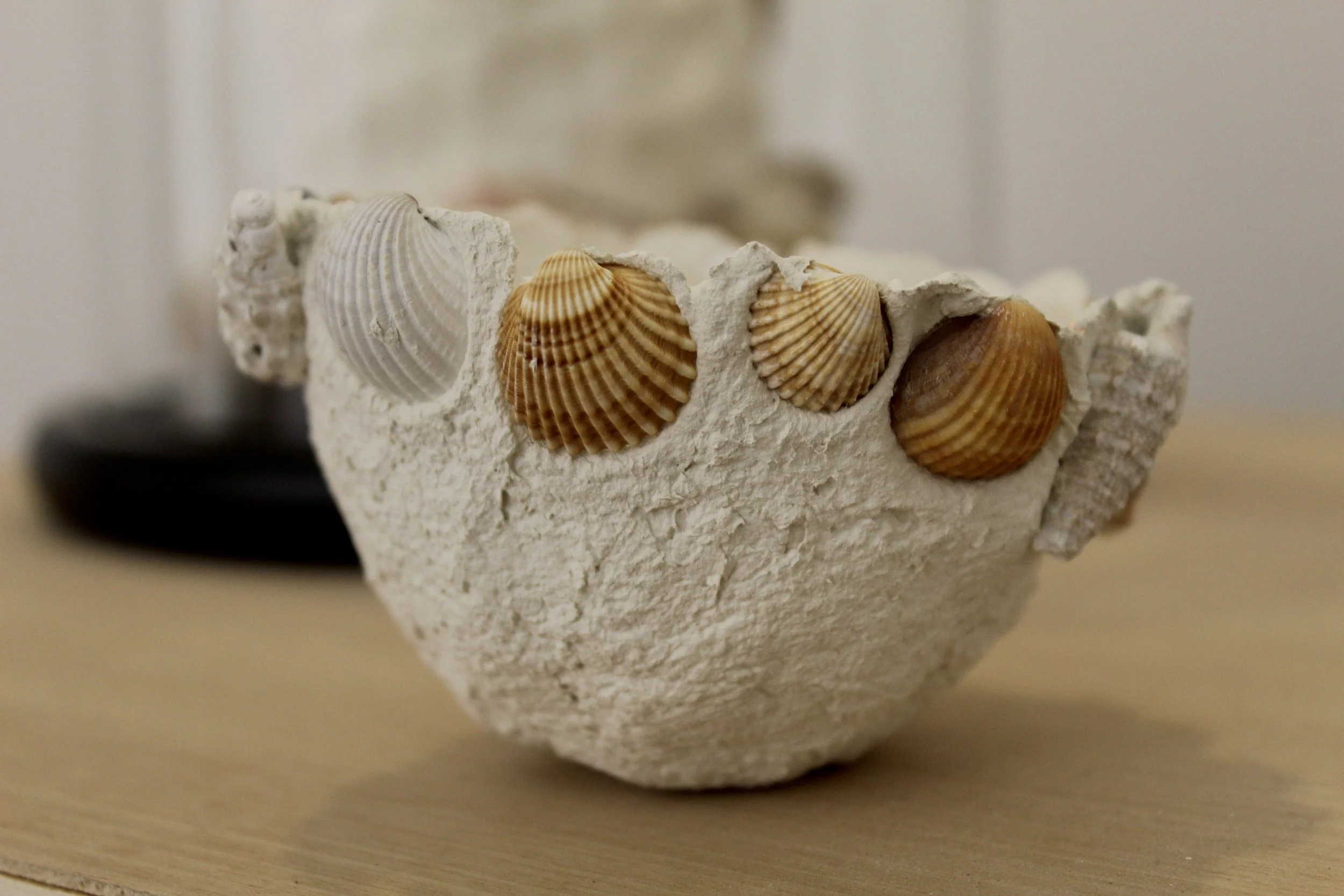
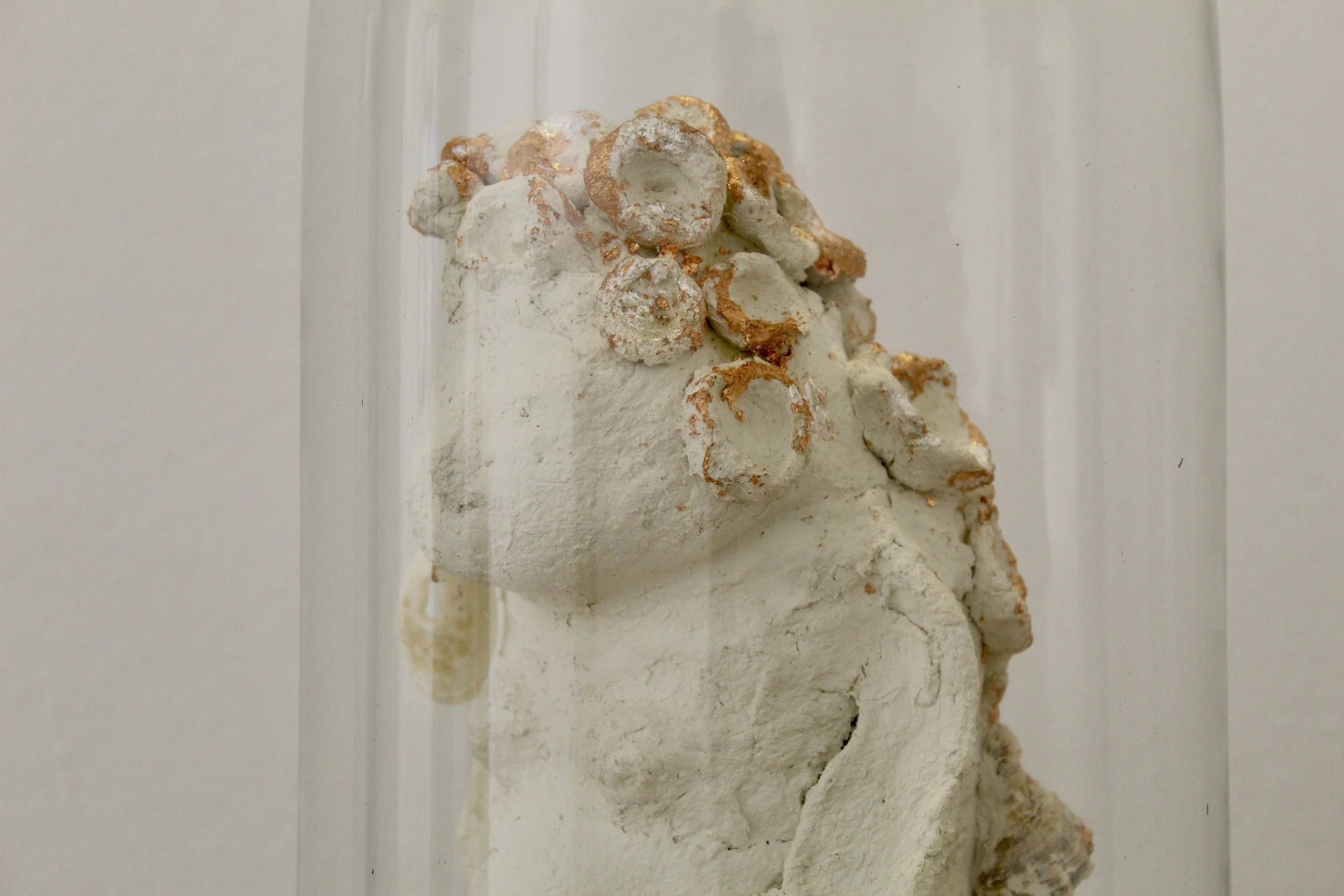
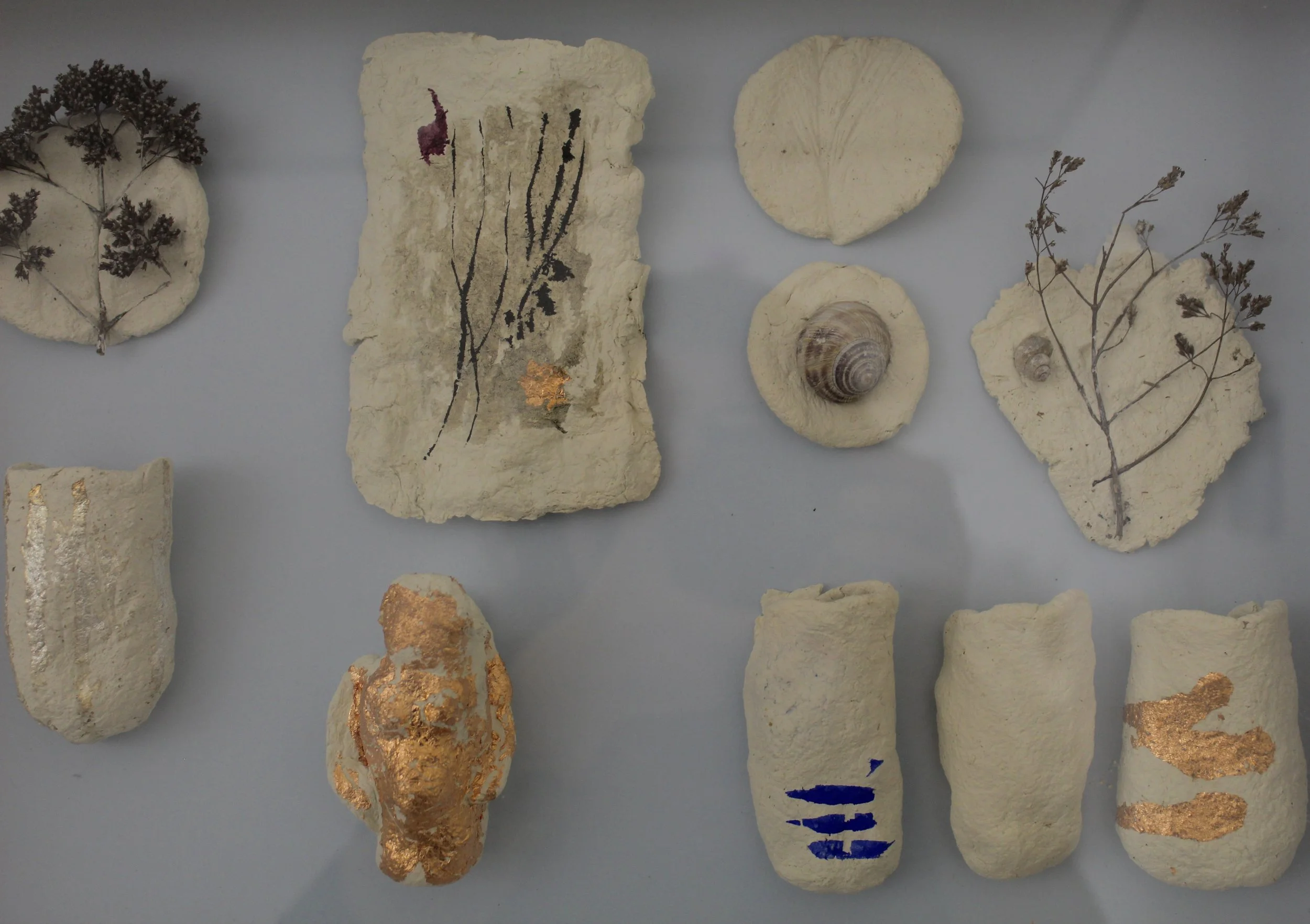
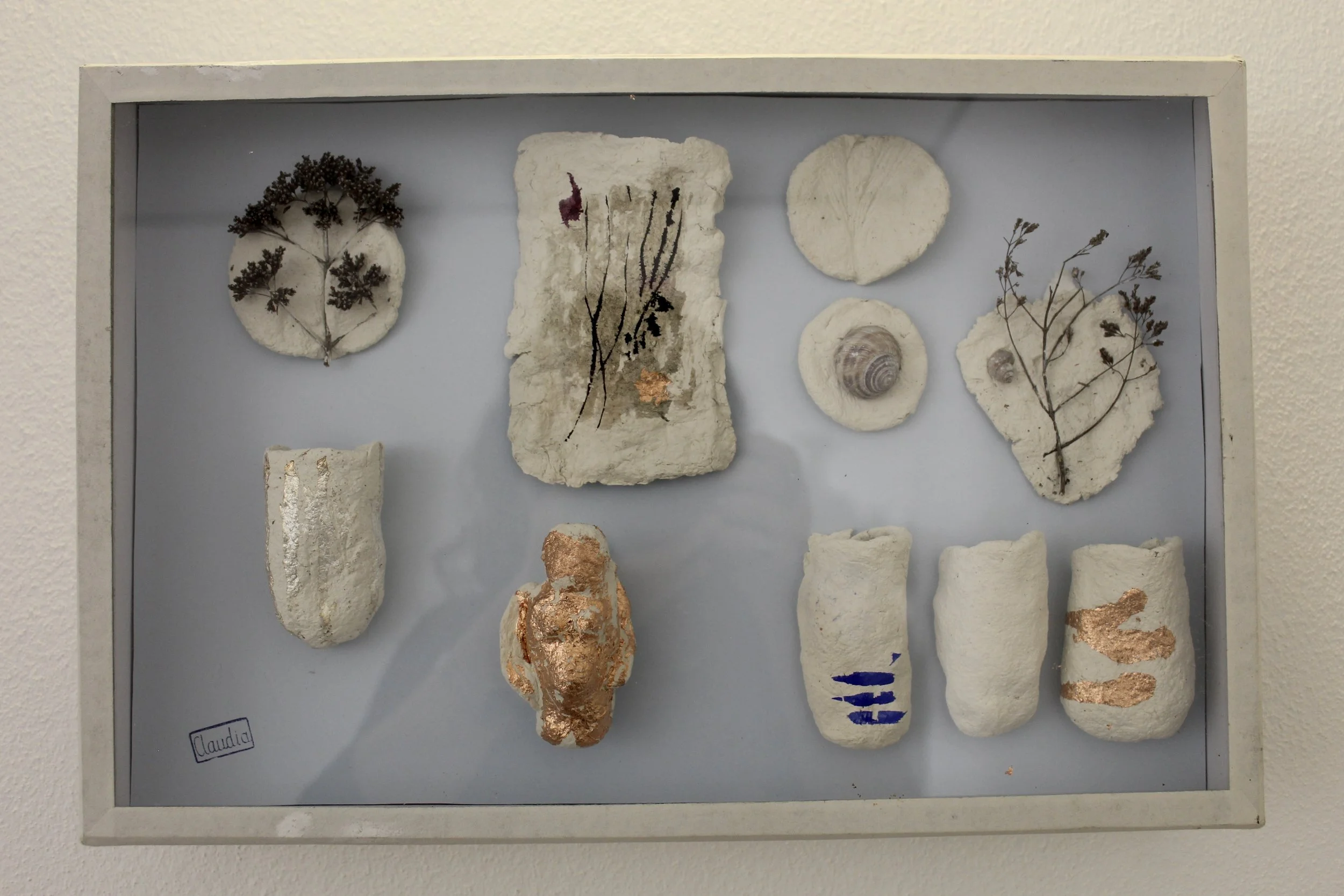
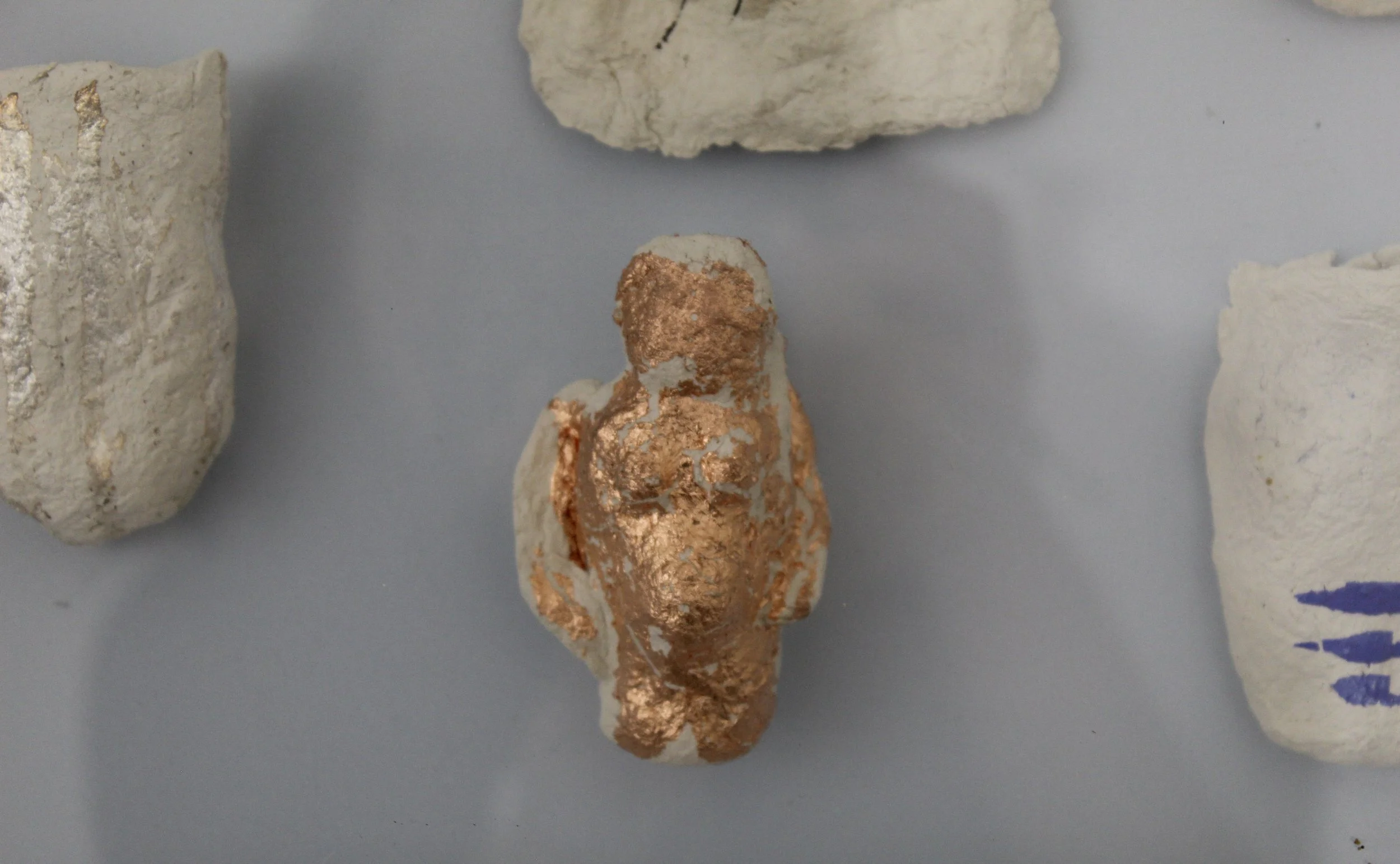
Quello di Claudia è un agire corposo, pronto ad accogliere e ad avvolgere come un abbraccio. È un lavoro dai connotati arcaici, le sue sculture in terracotta, ceramica o, ancora, in cartapesta, incarnano figure femminili; donne forti, materne, robuste, abbigliate in maniera preziosa sono lì a compiere la loro azione apotropaica, a farsi rifugio nella solidità delle loro fattezze.
È la materia che parla e l’artista coglie la meraviglia di ciò che affiora nel momento in cui il processo di creazione è terminato, mediante la spontaneità del gesto da cui ella si lascia guidare.
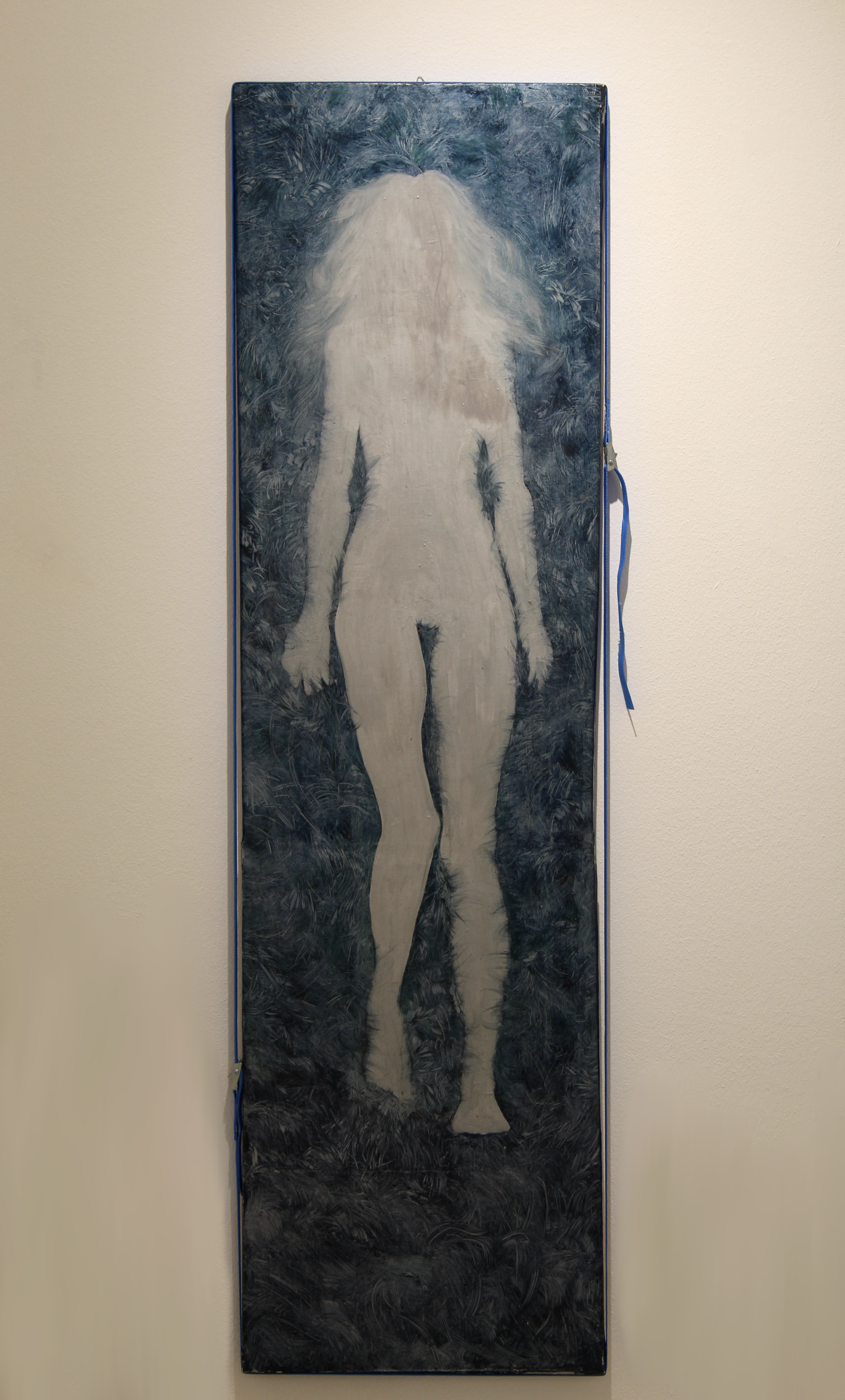
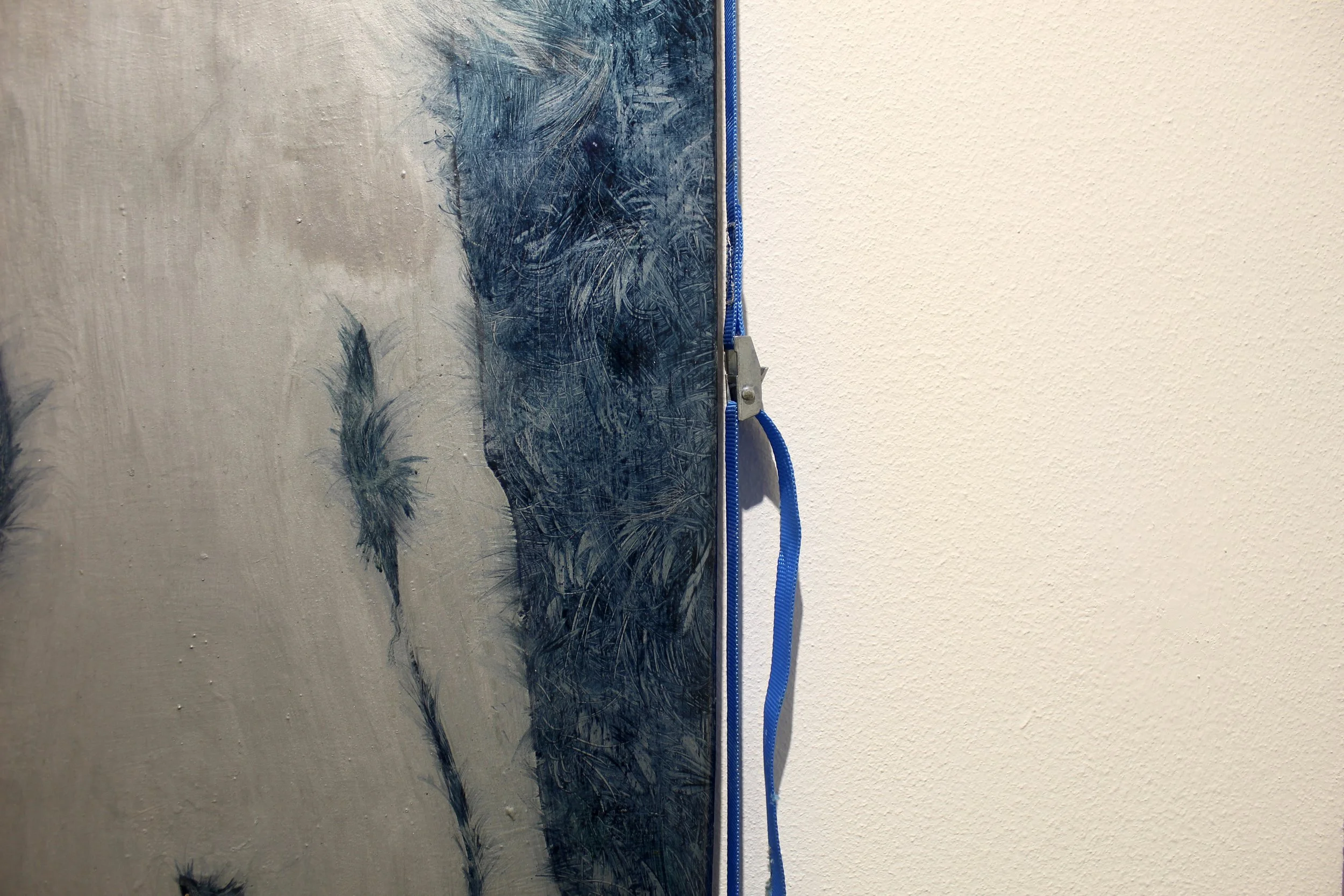
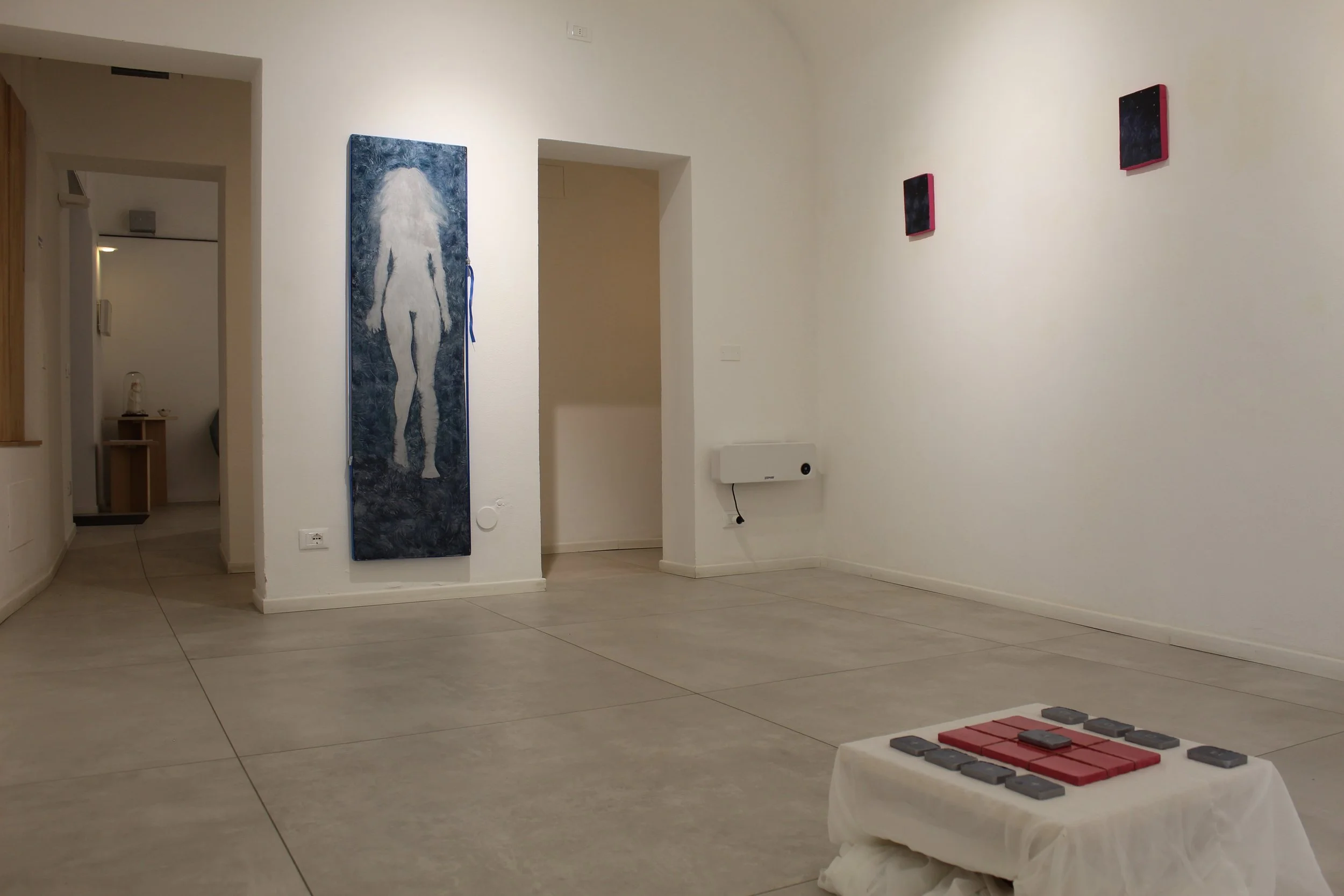
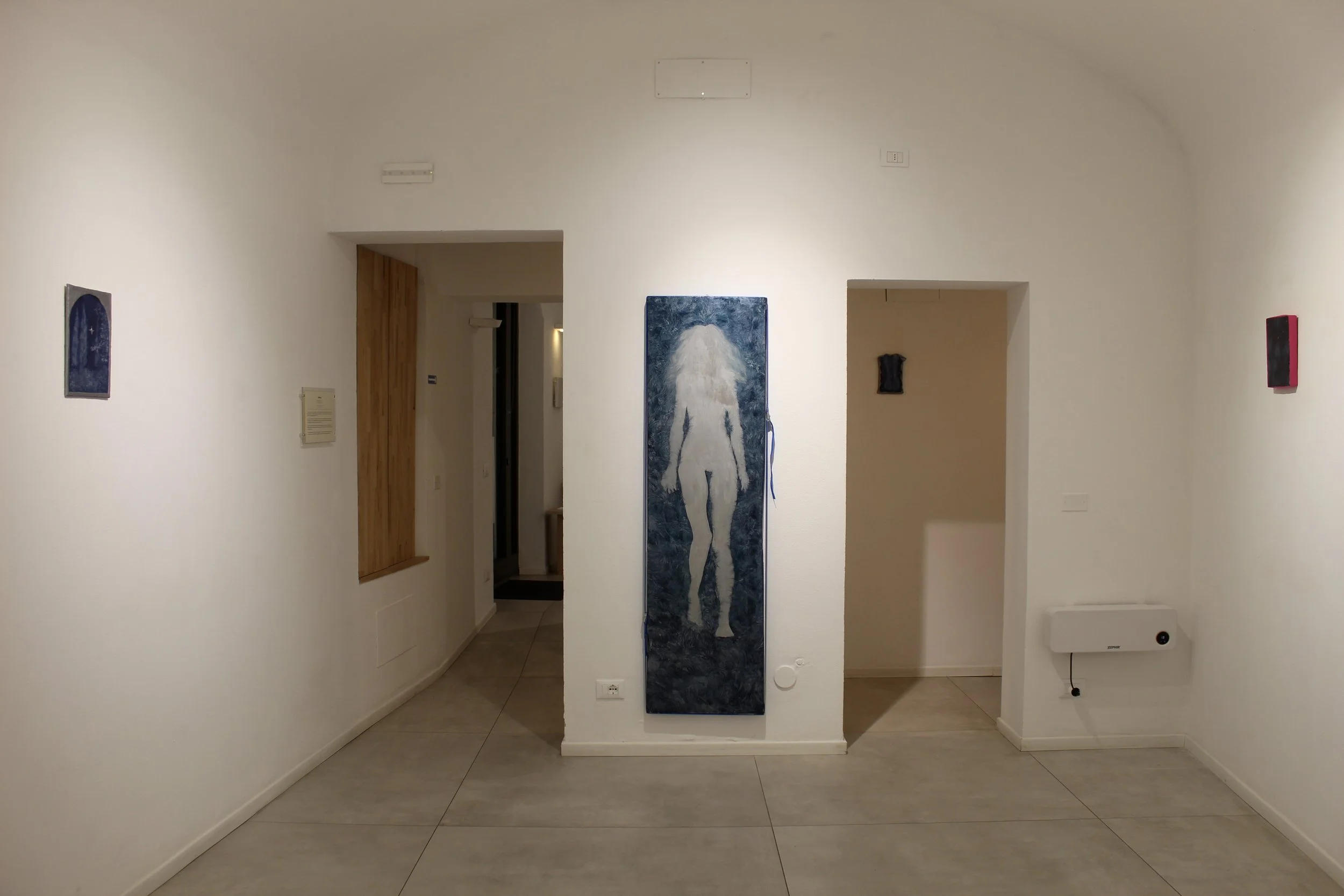
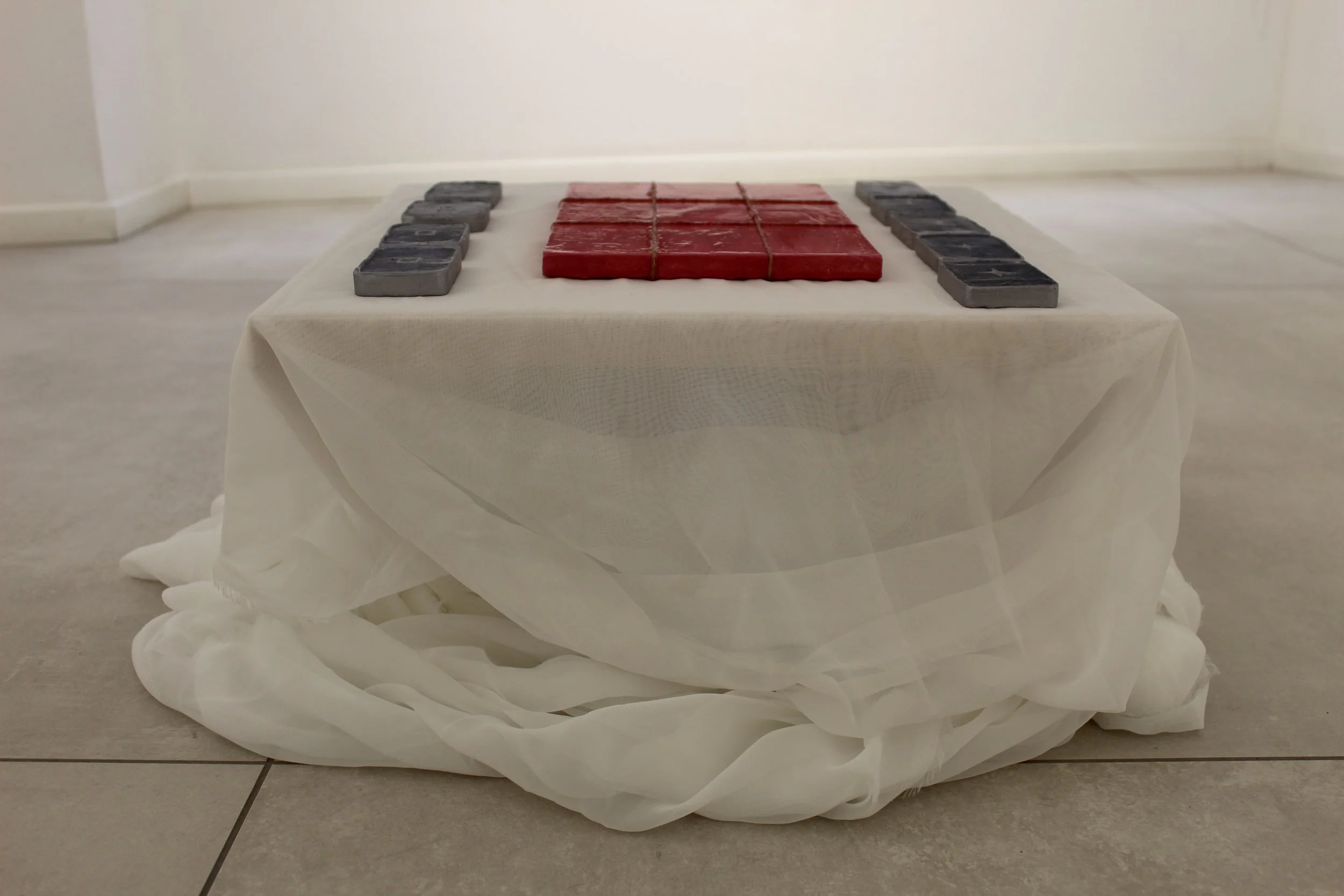
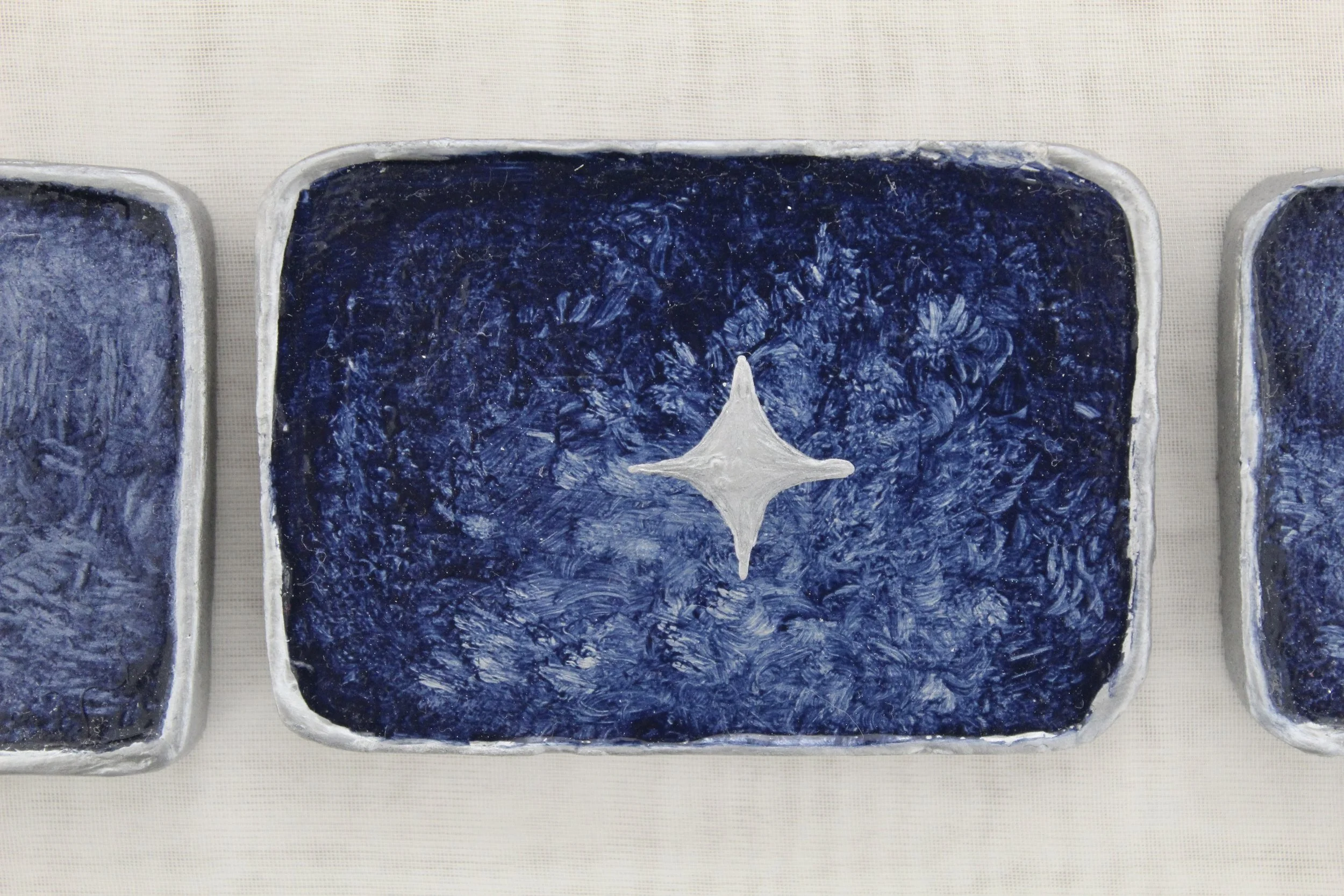
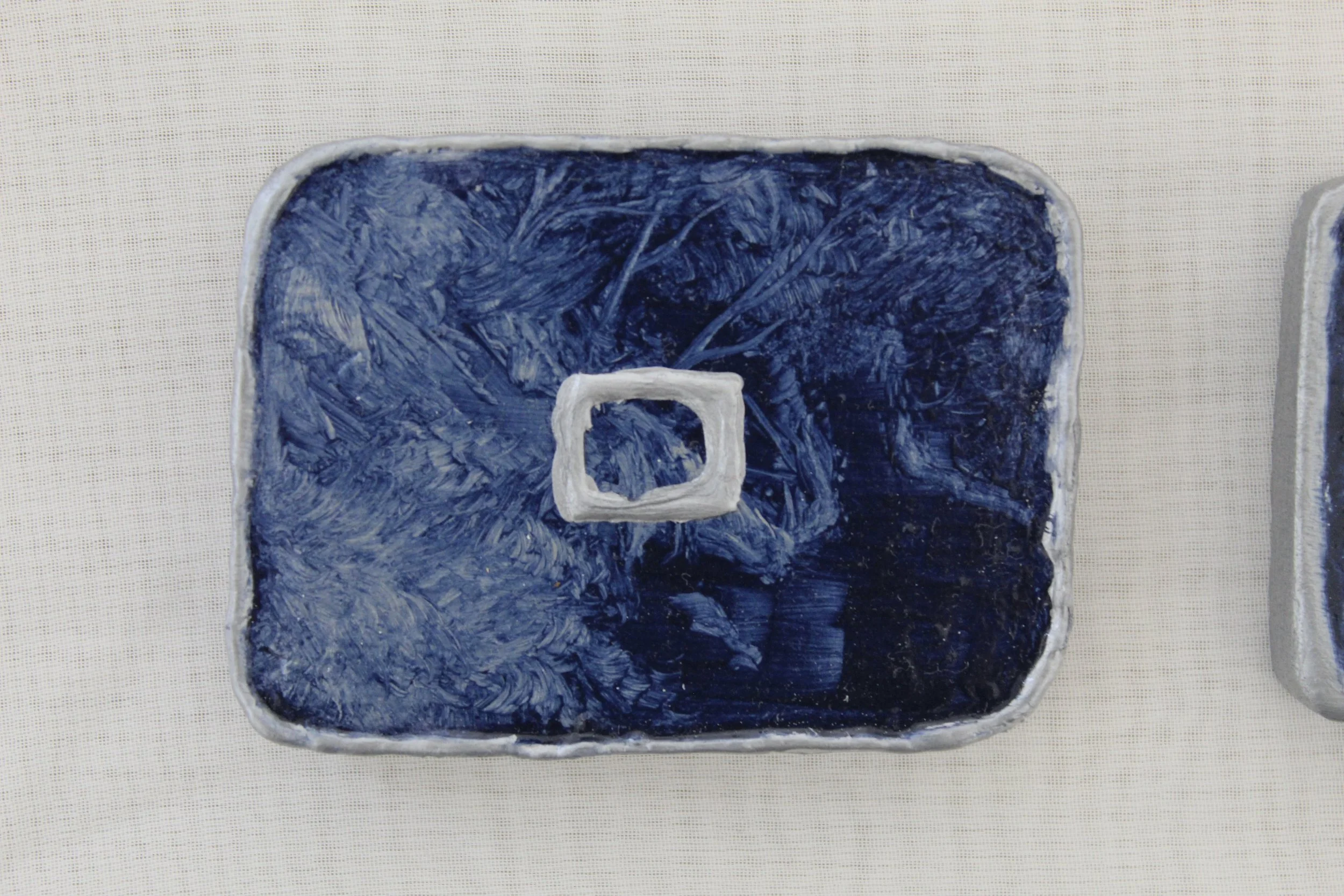
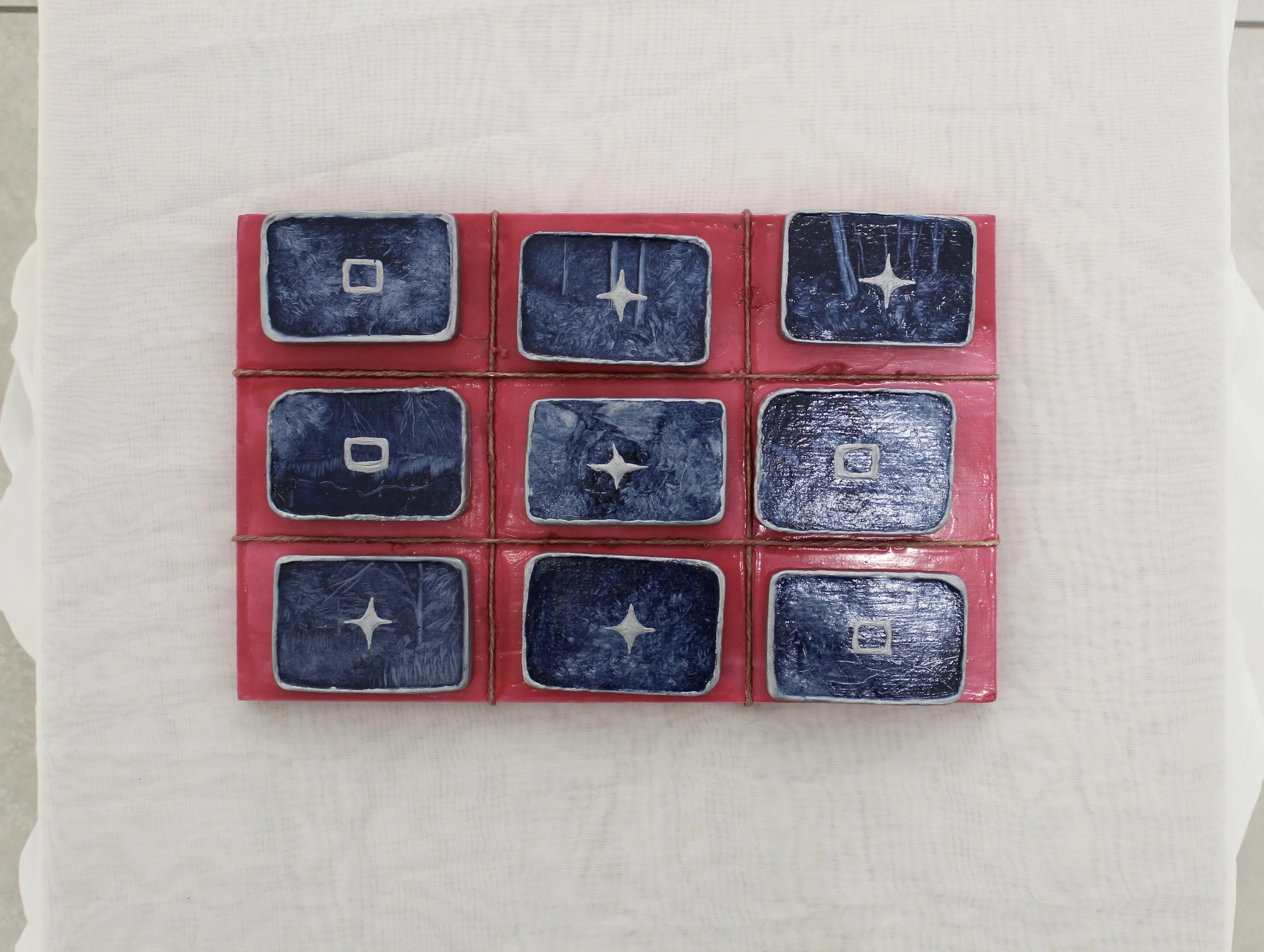
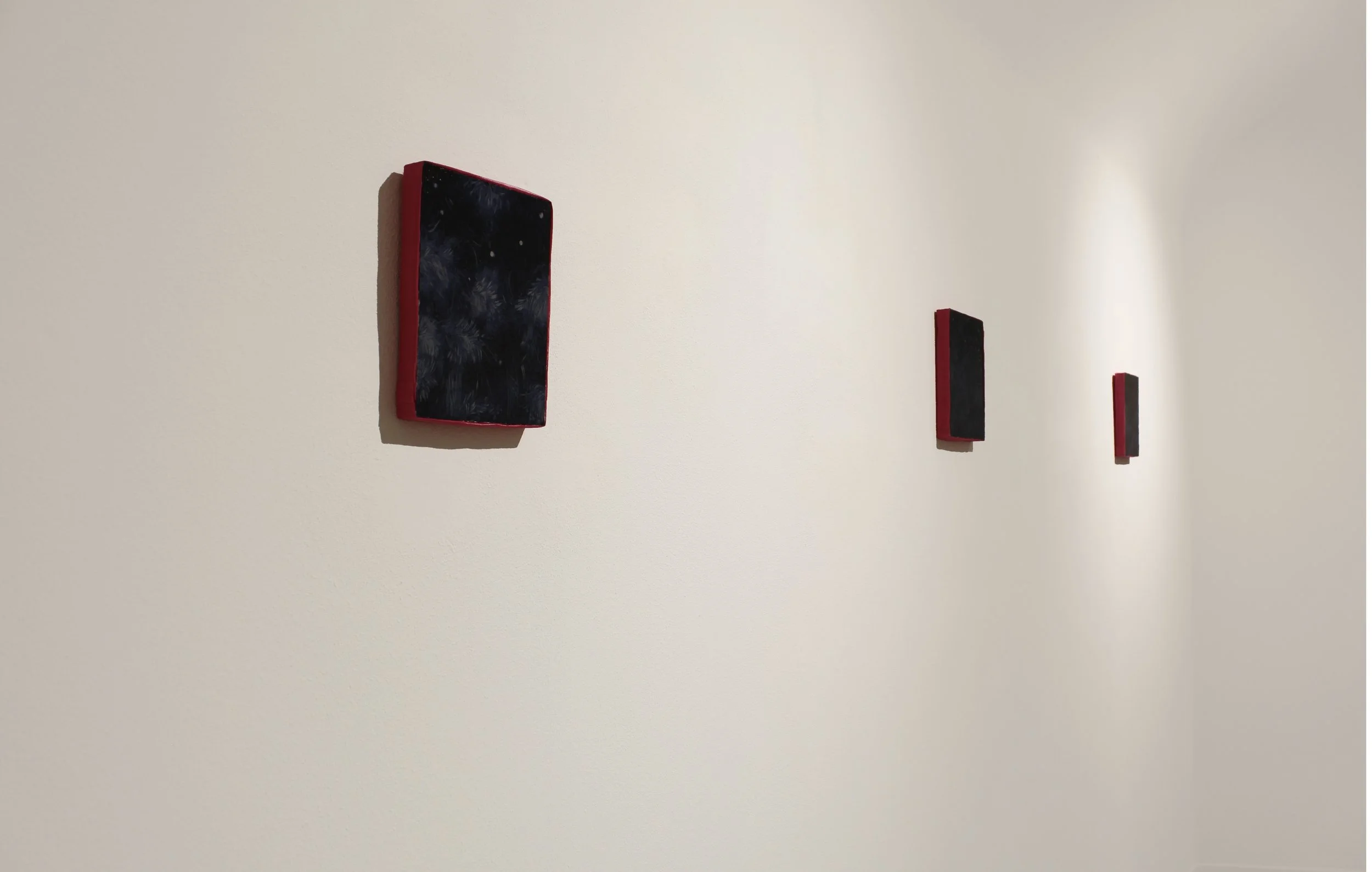
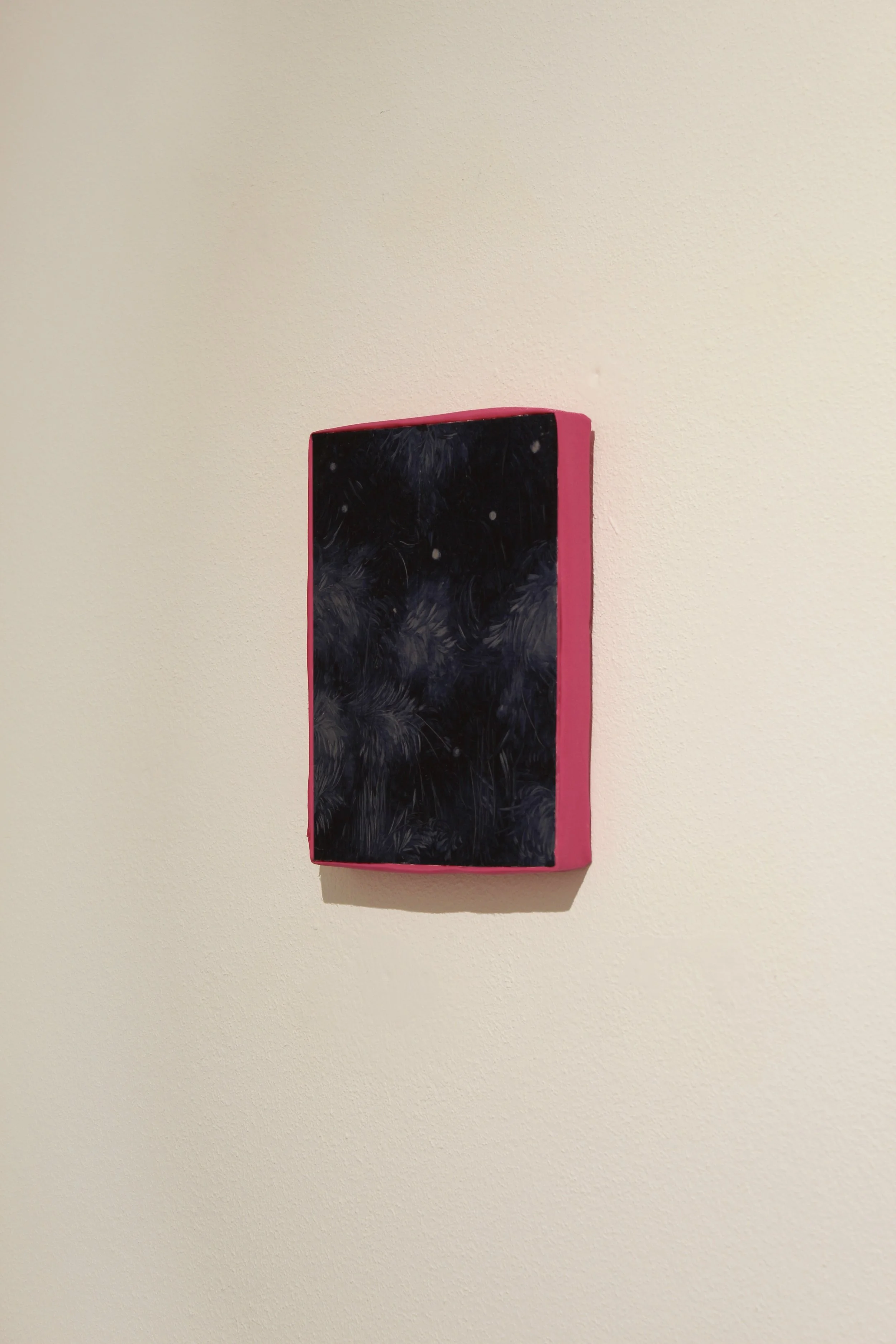
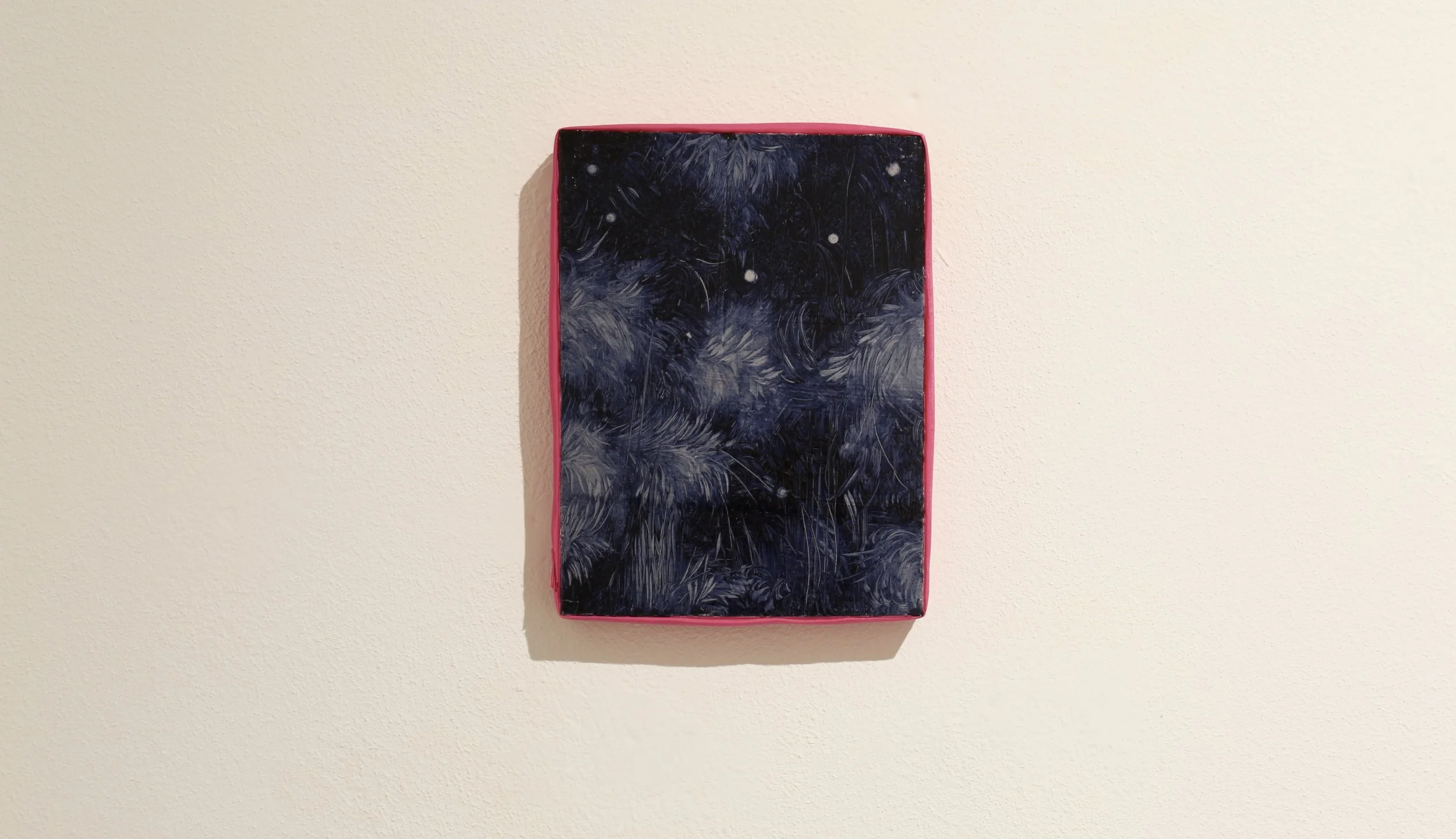
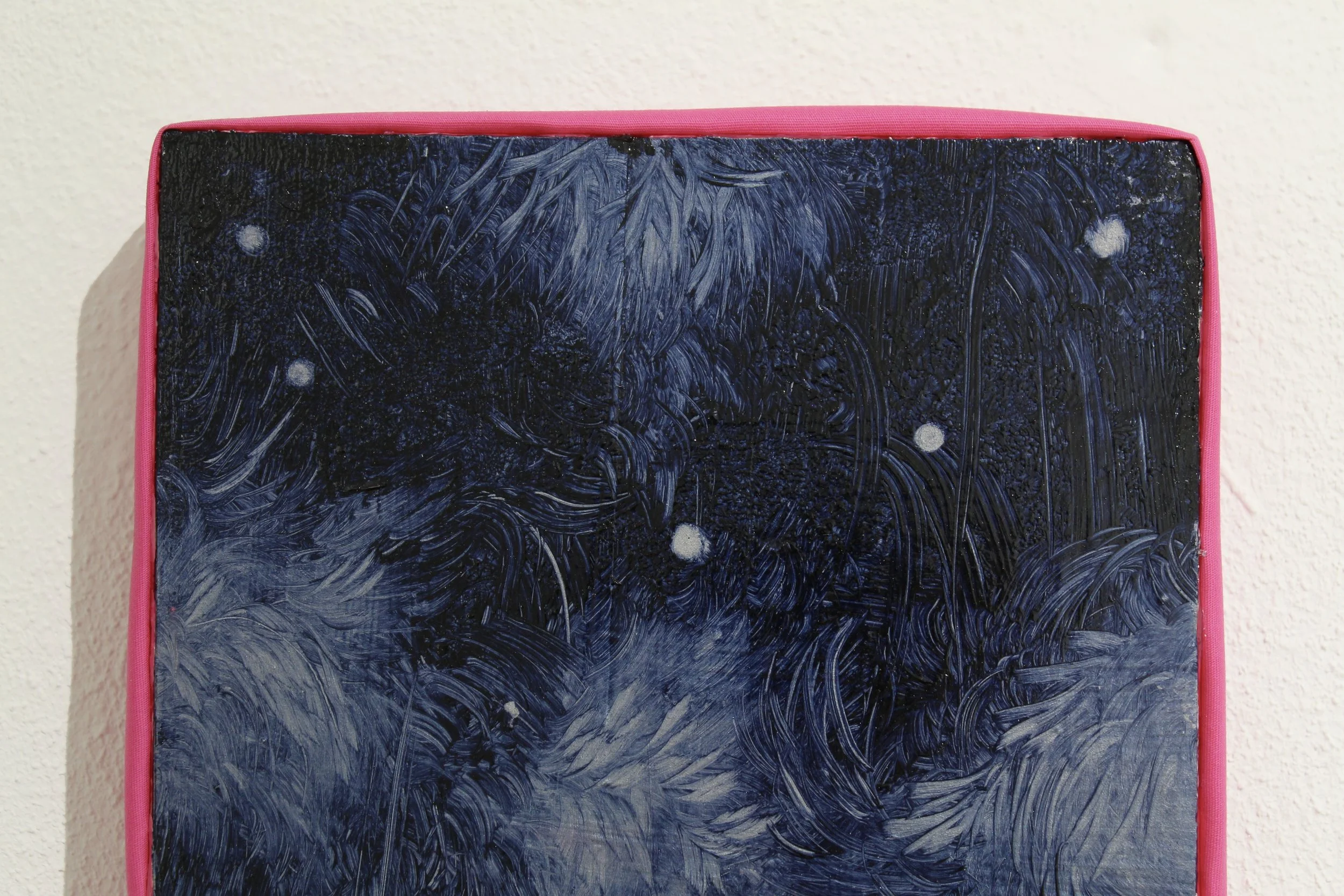
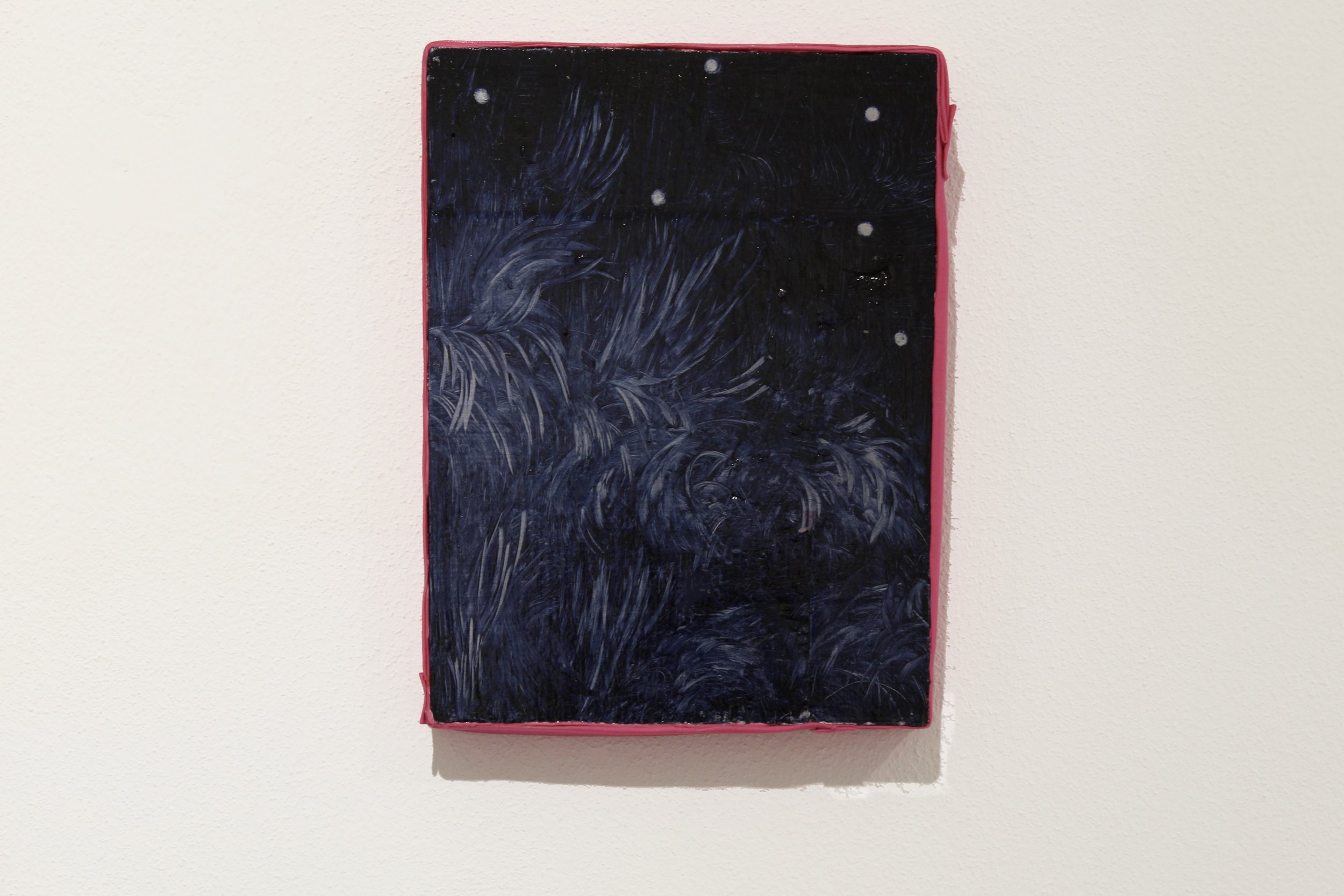
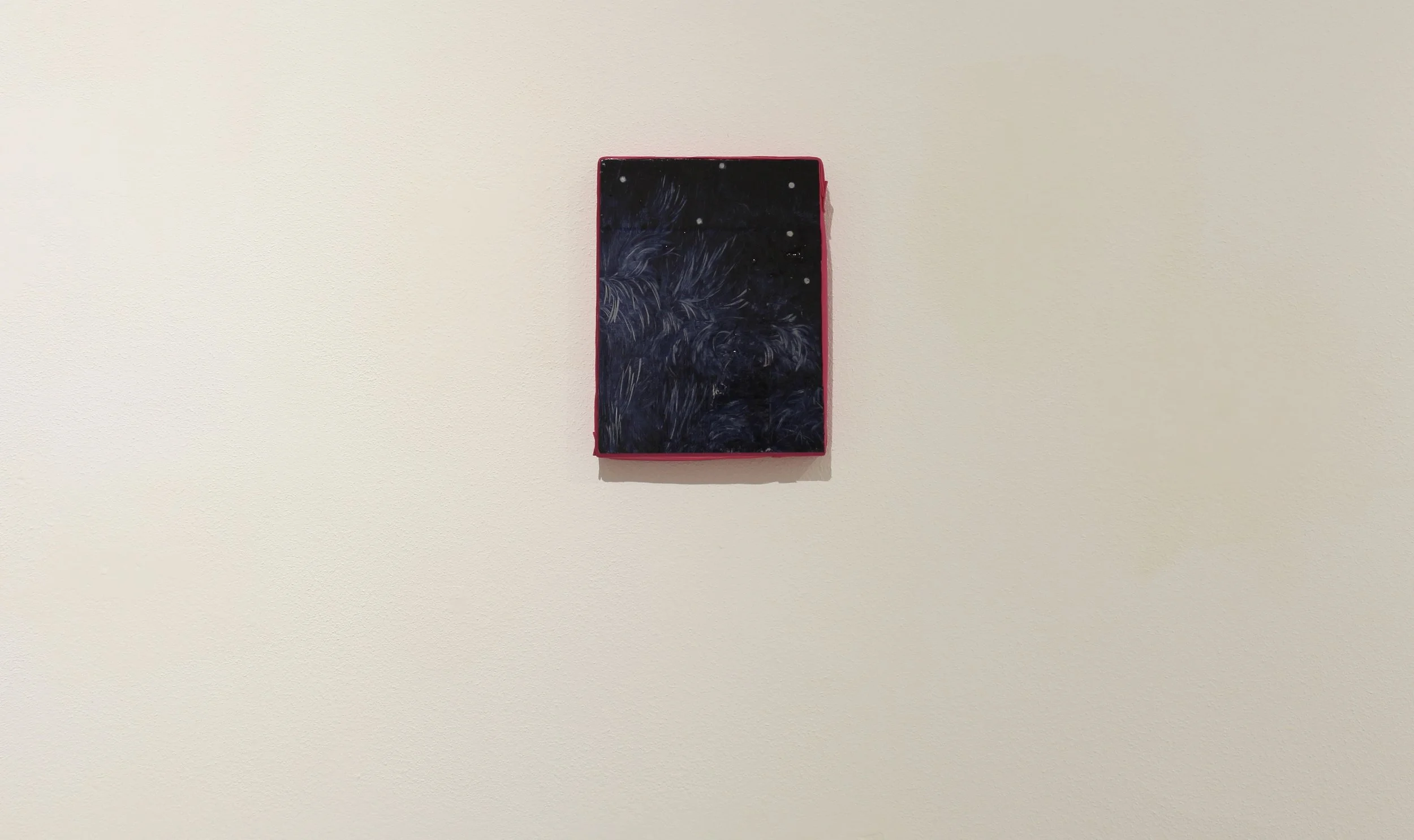
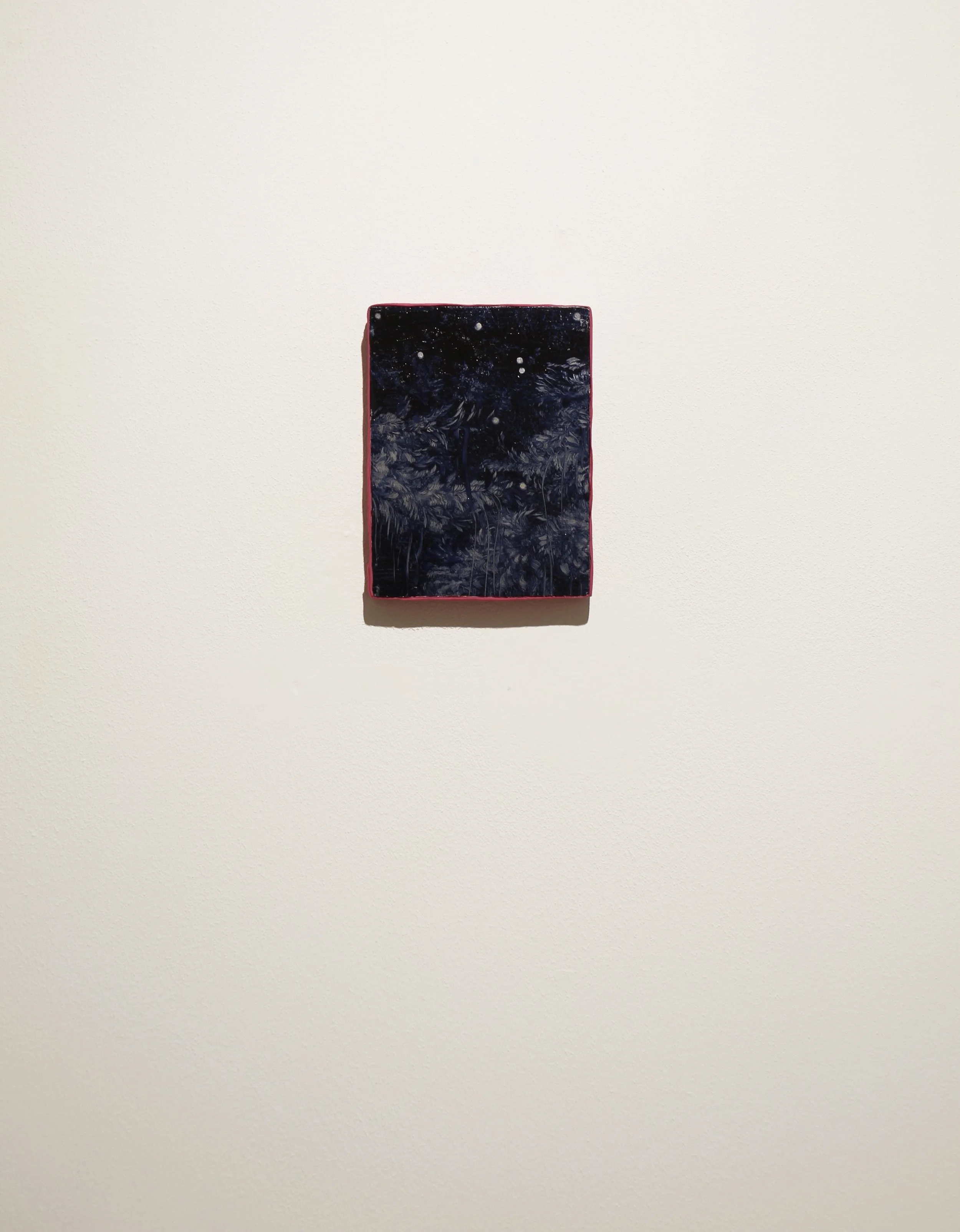
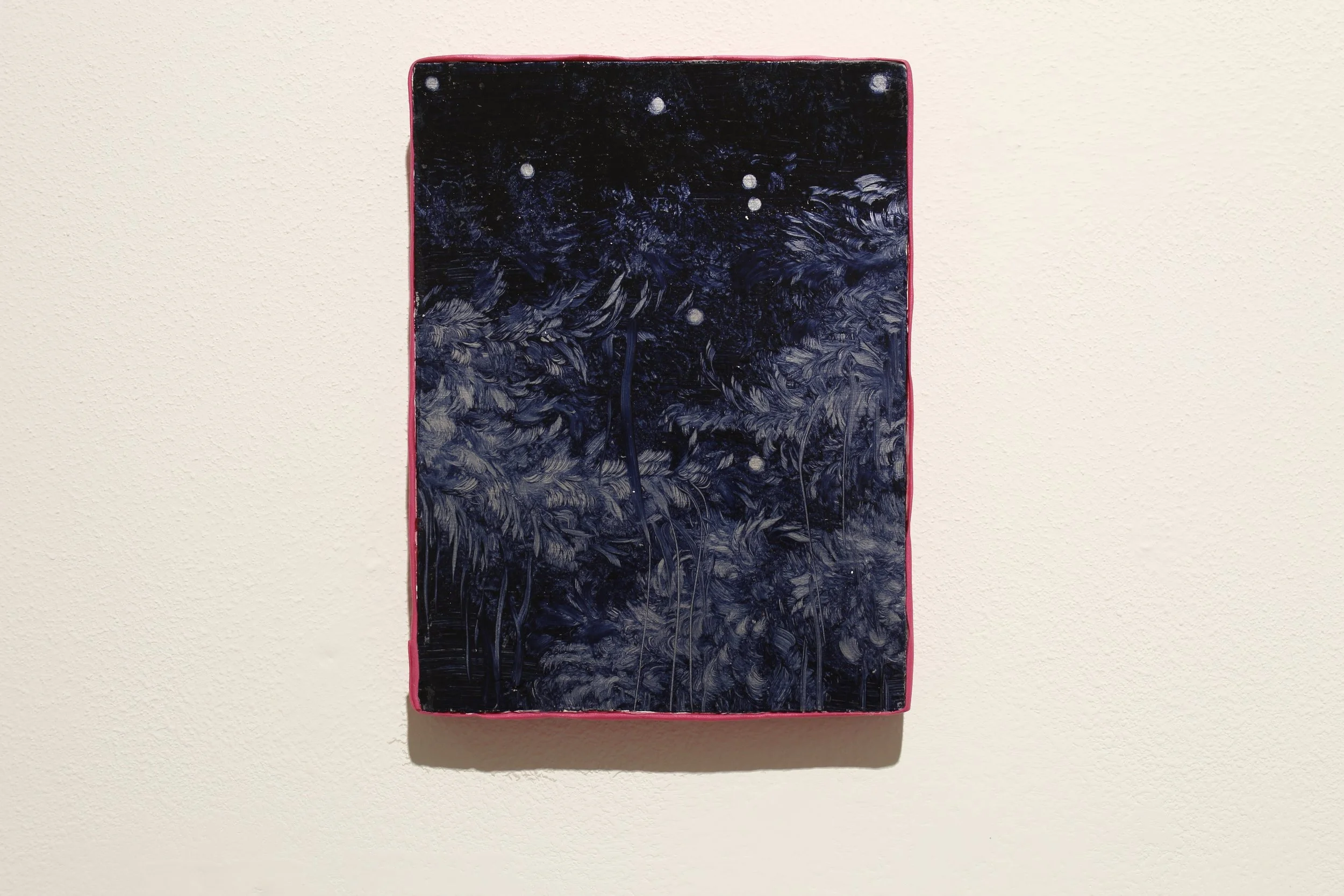
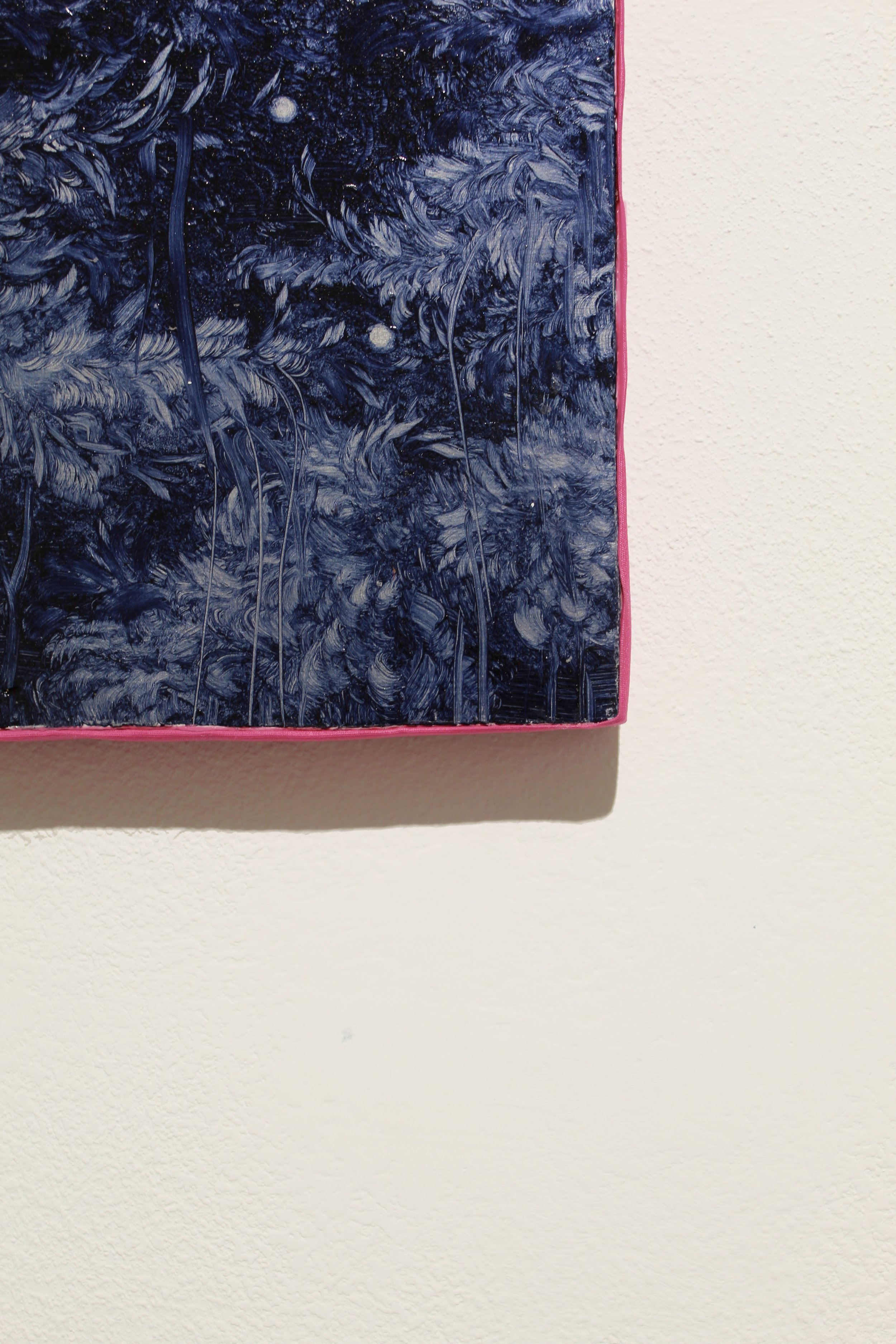
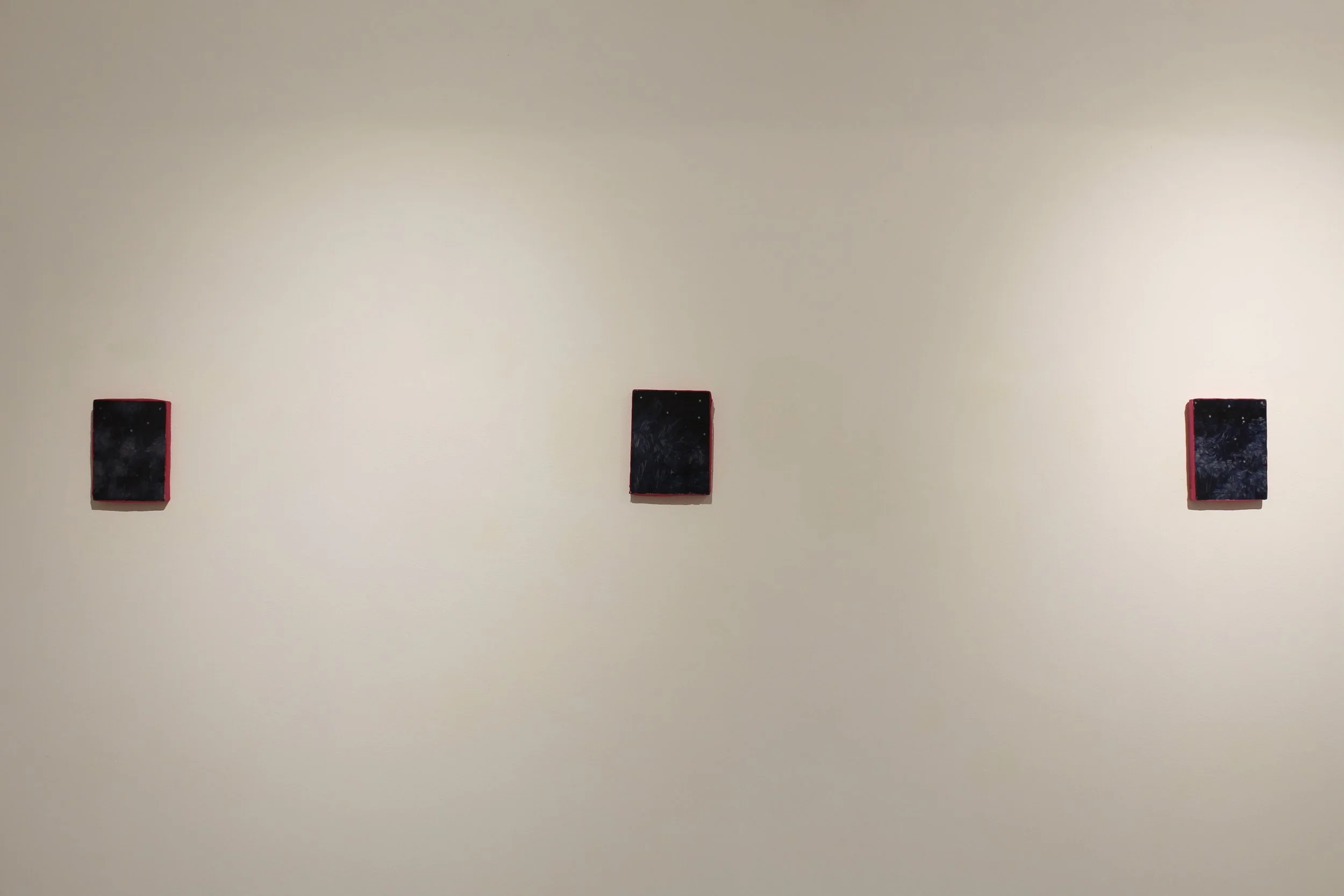
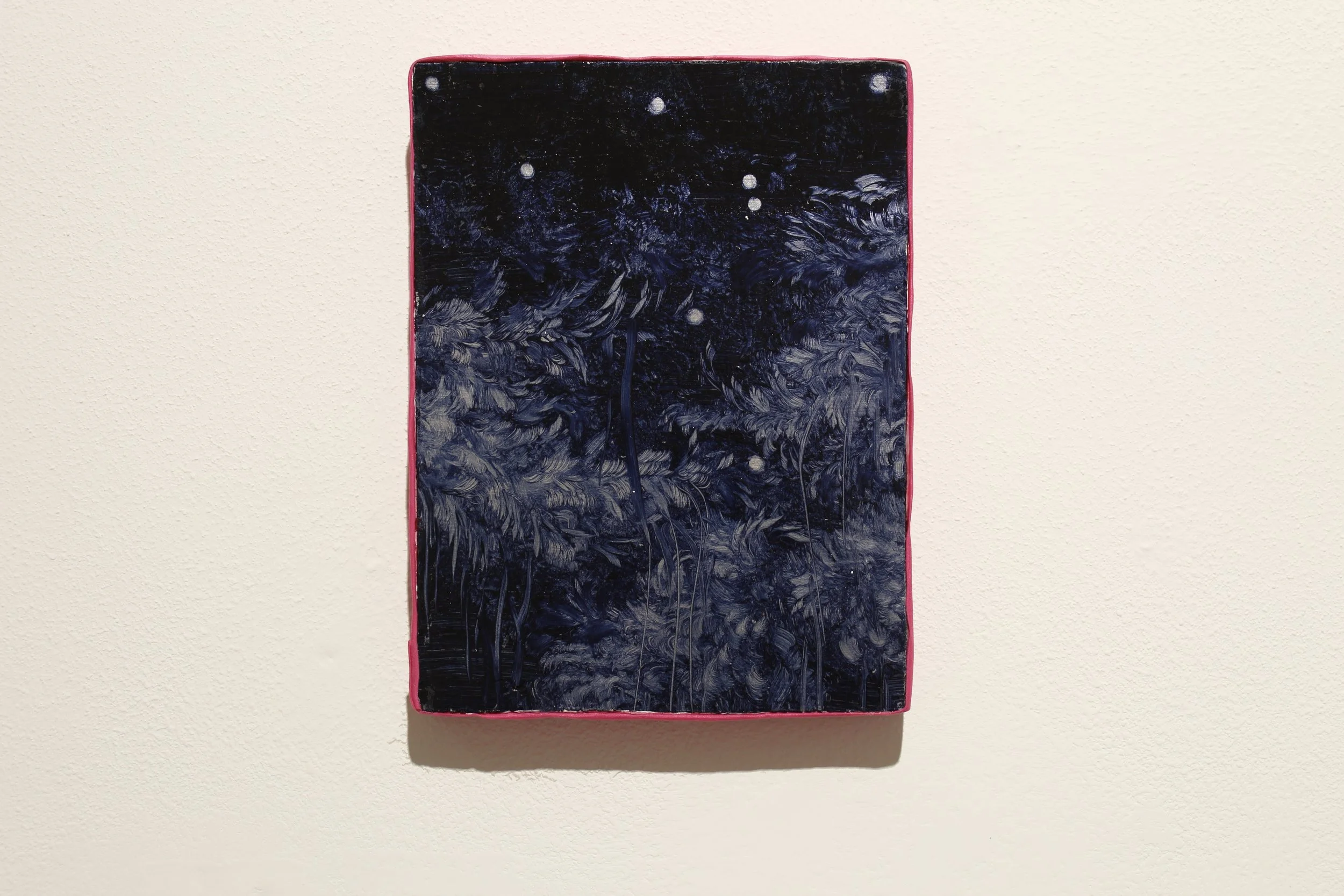
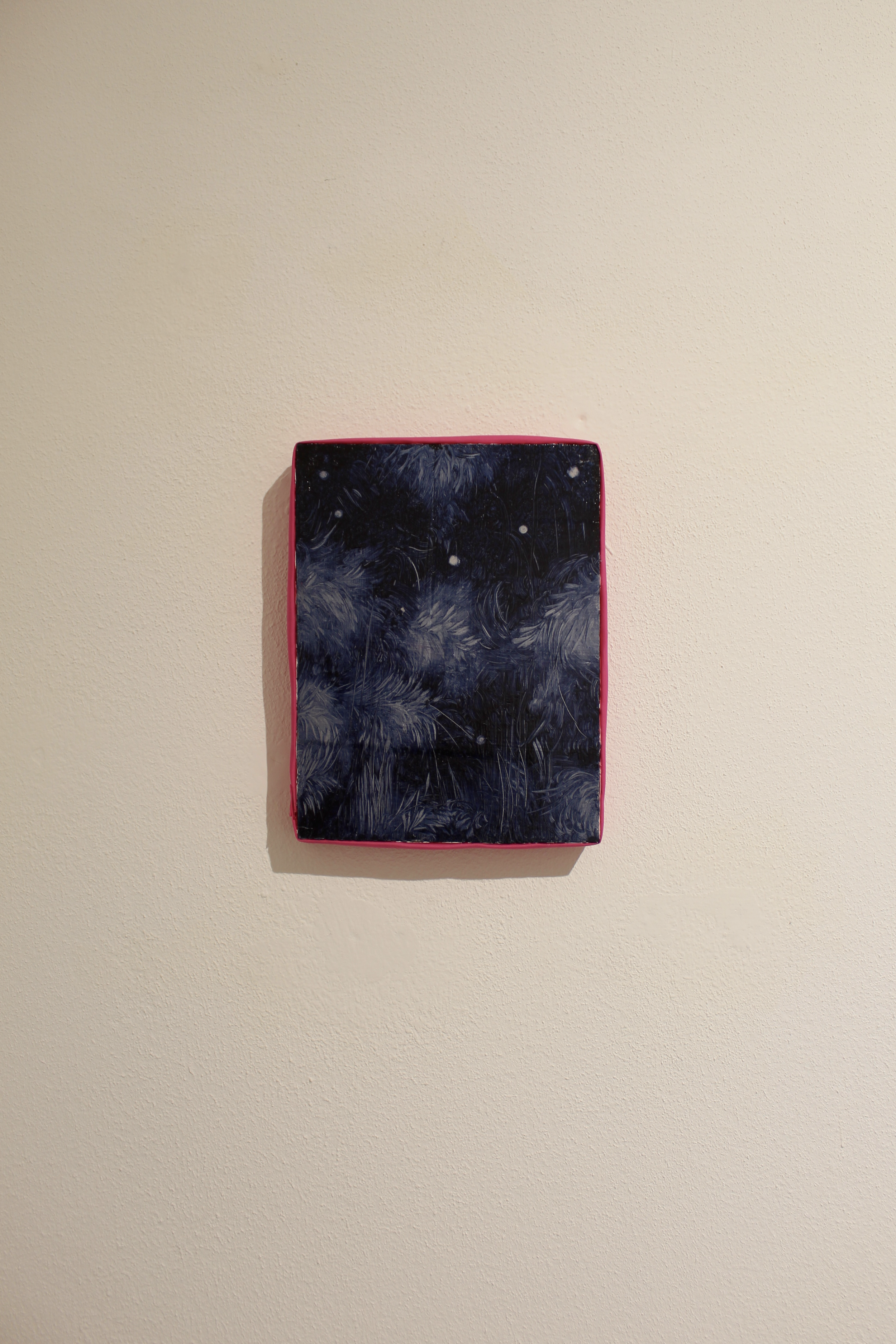
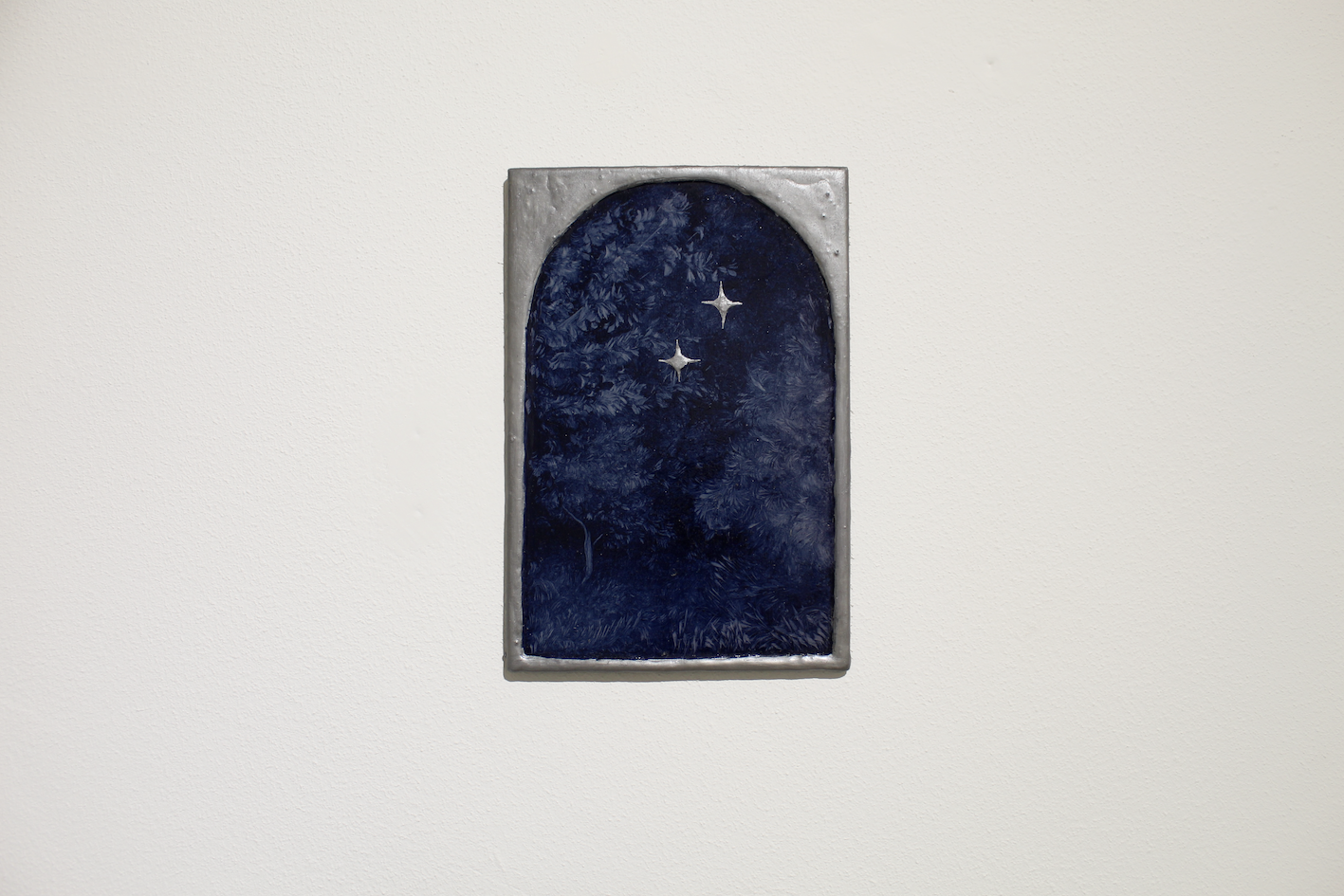
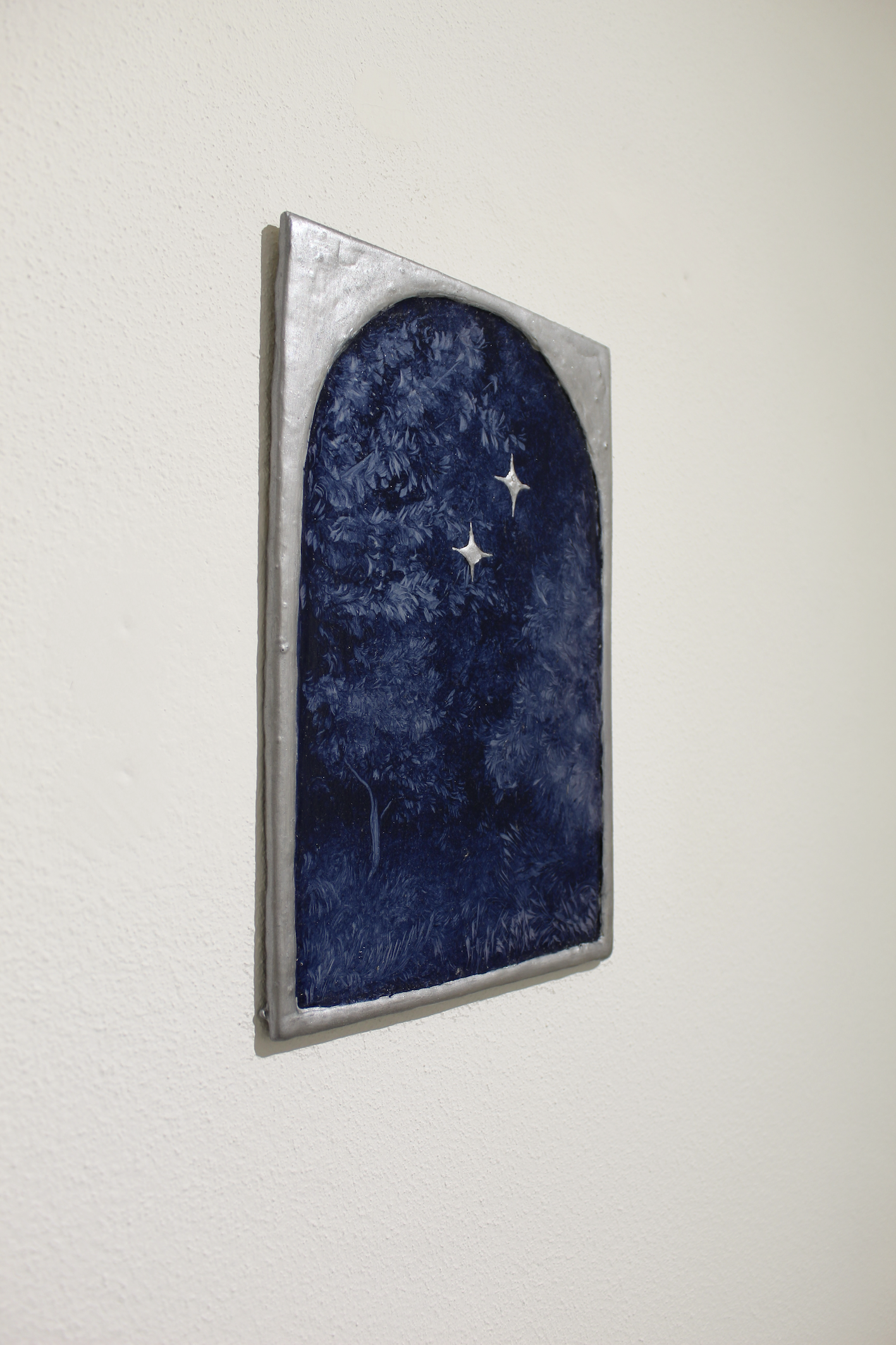
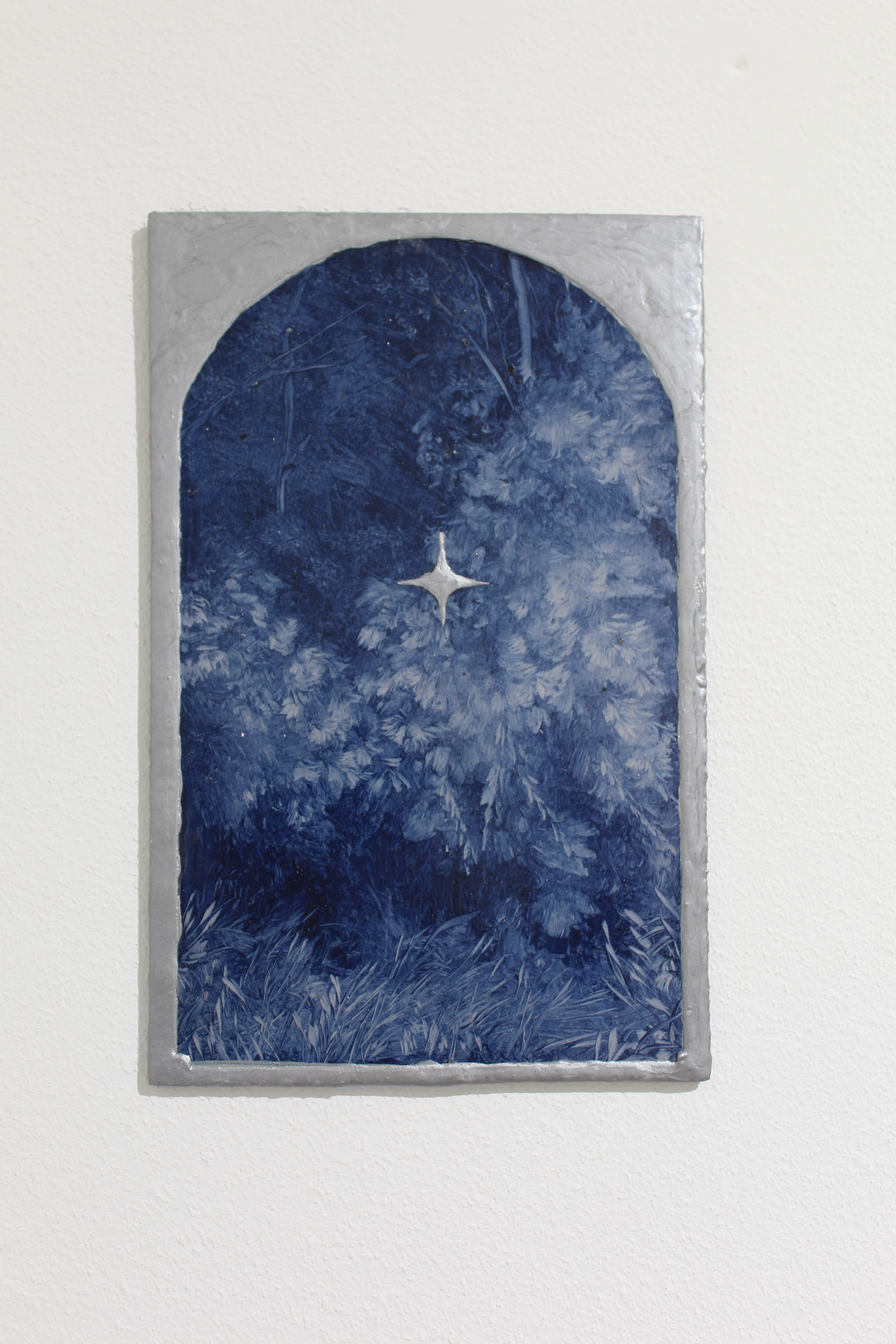
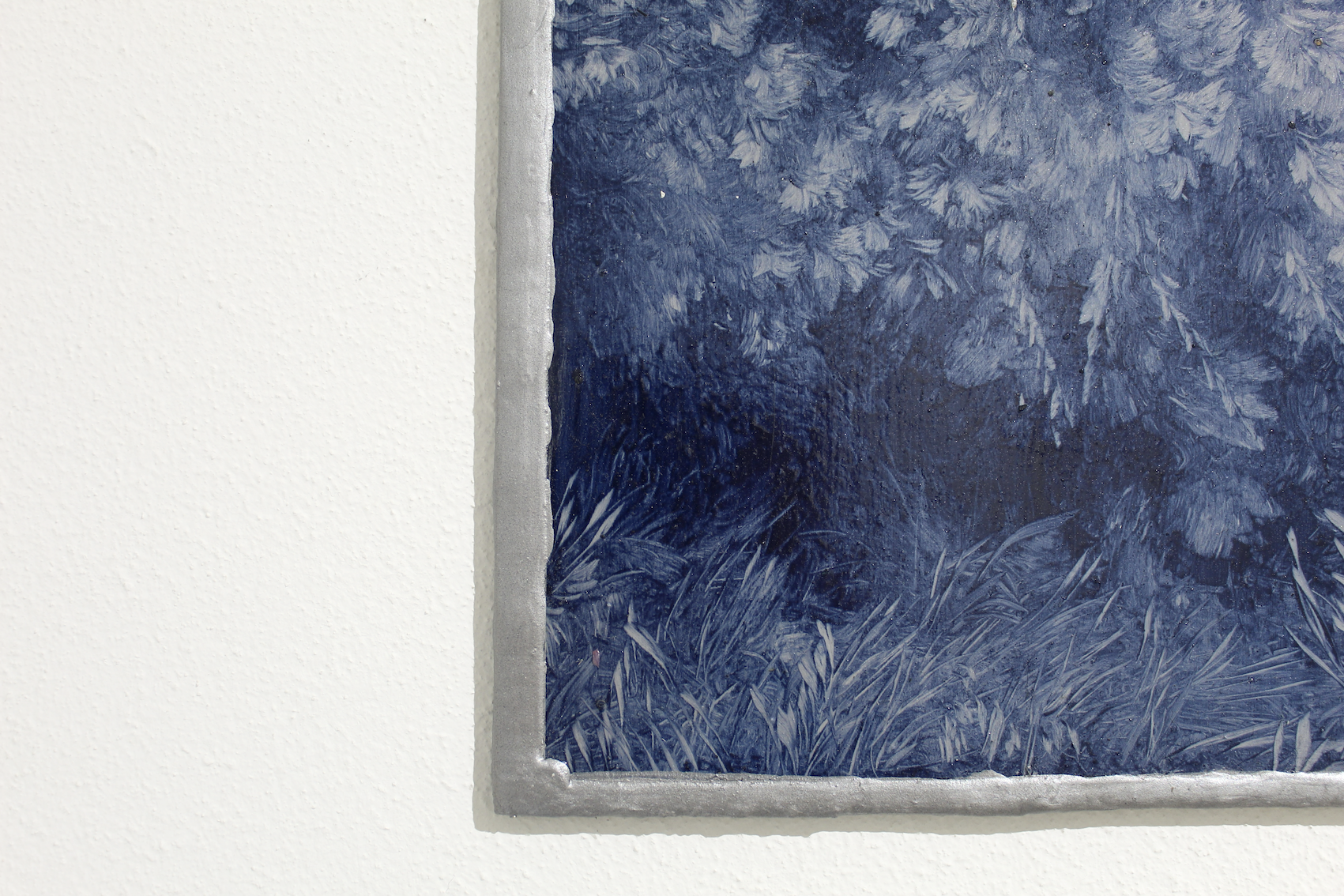
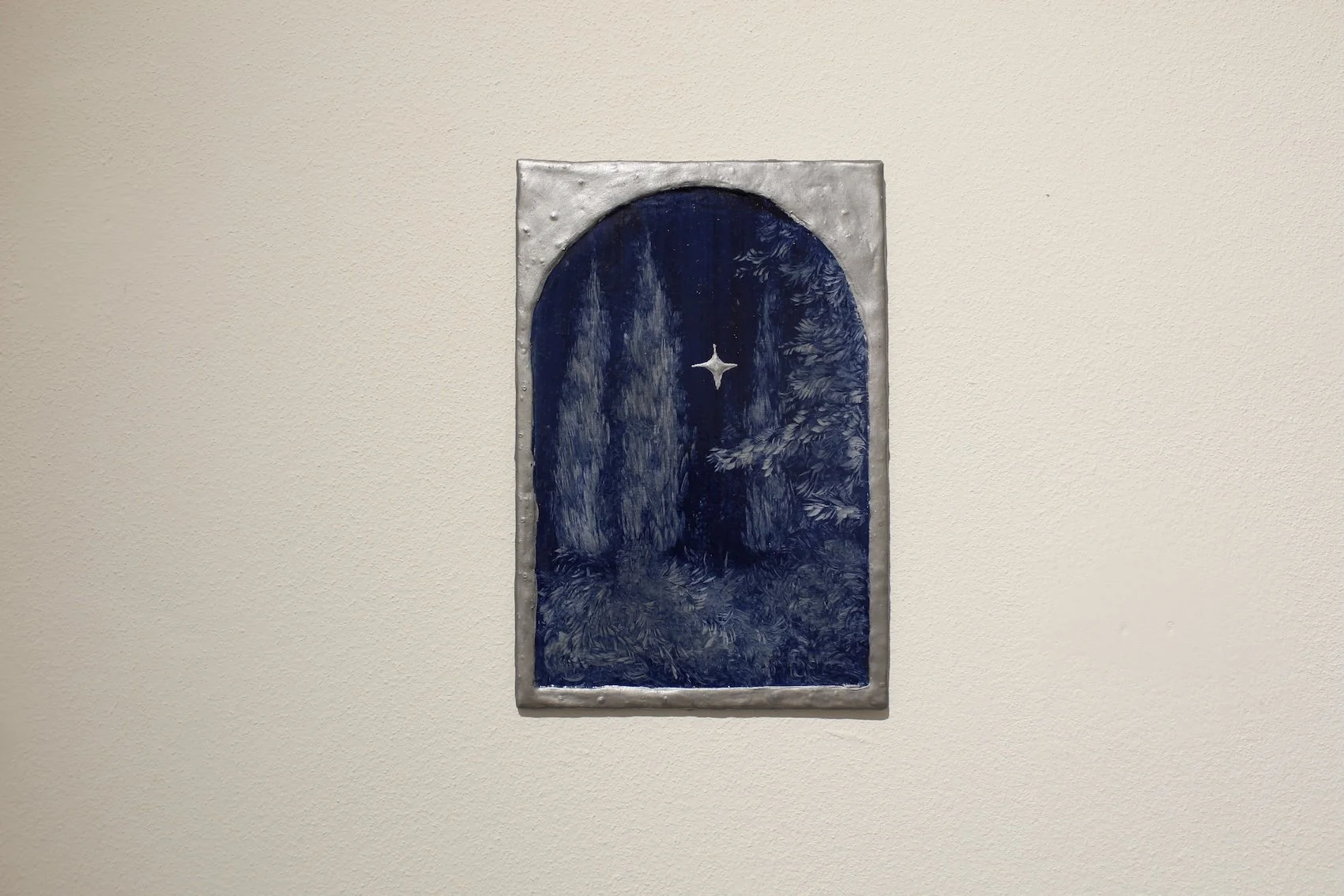
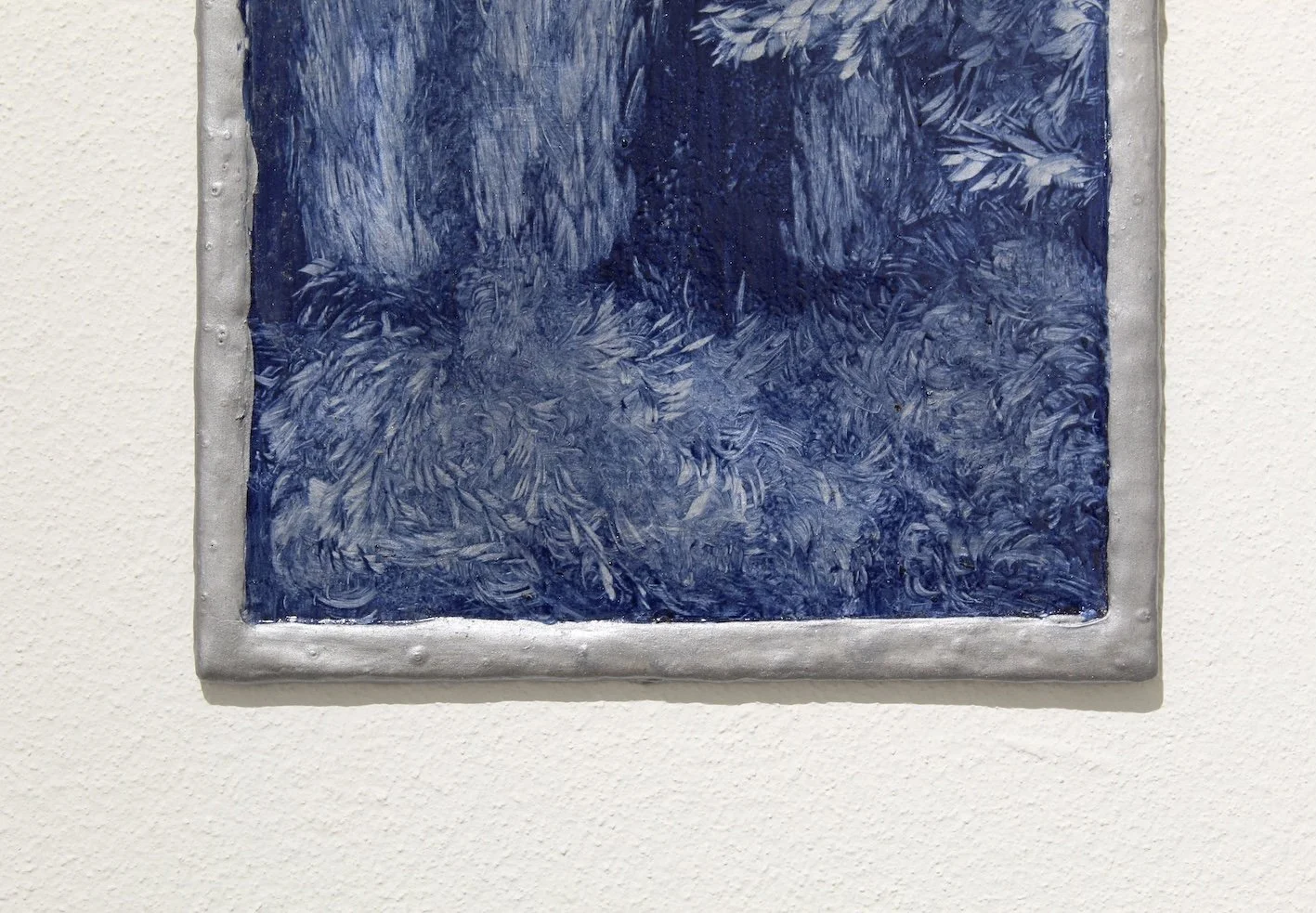
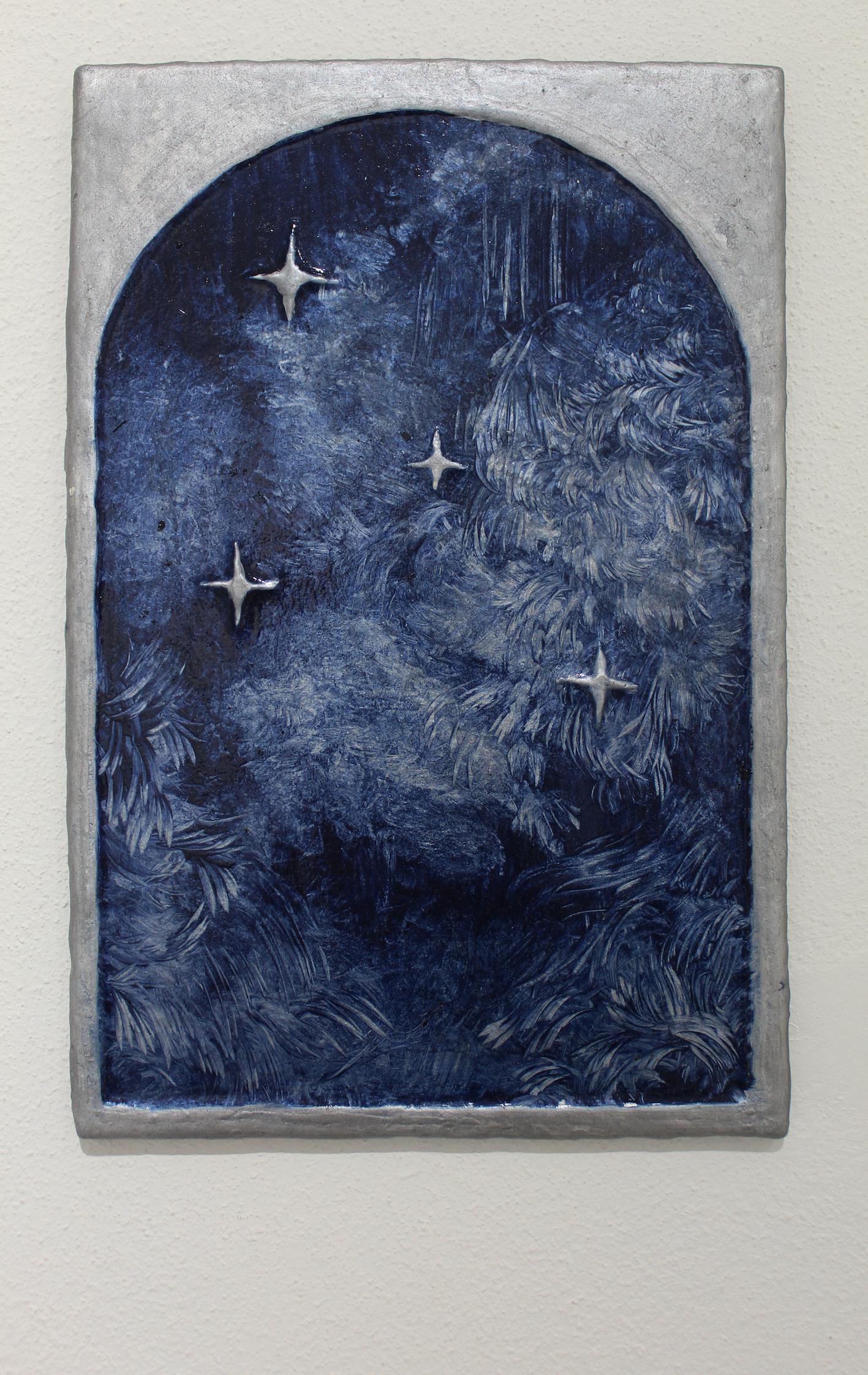
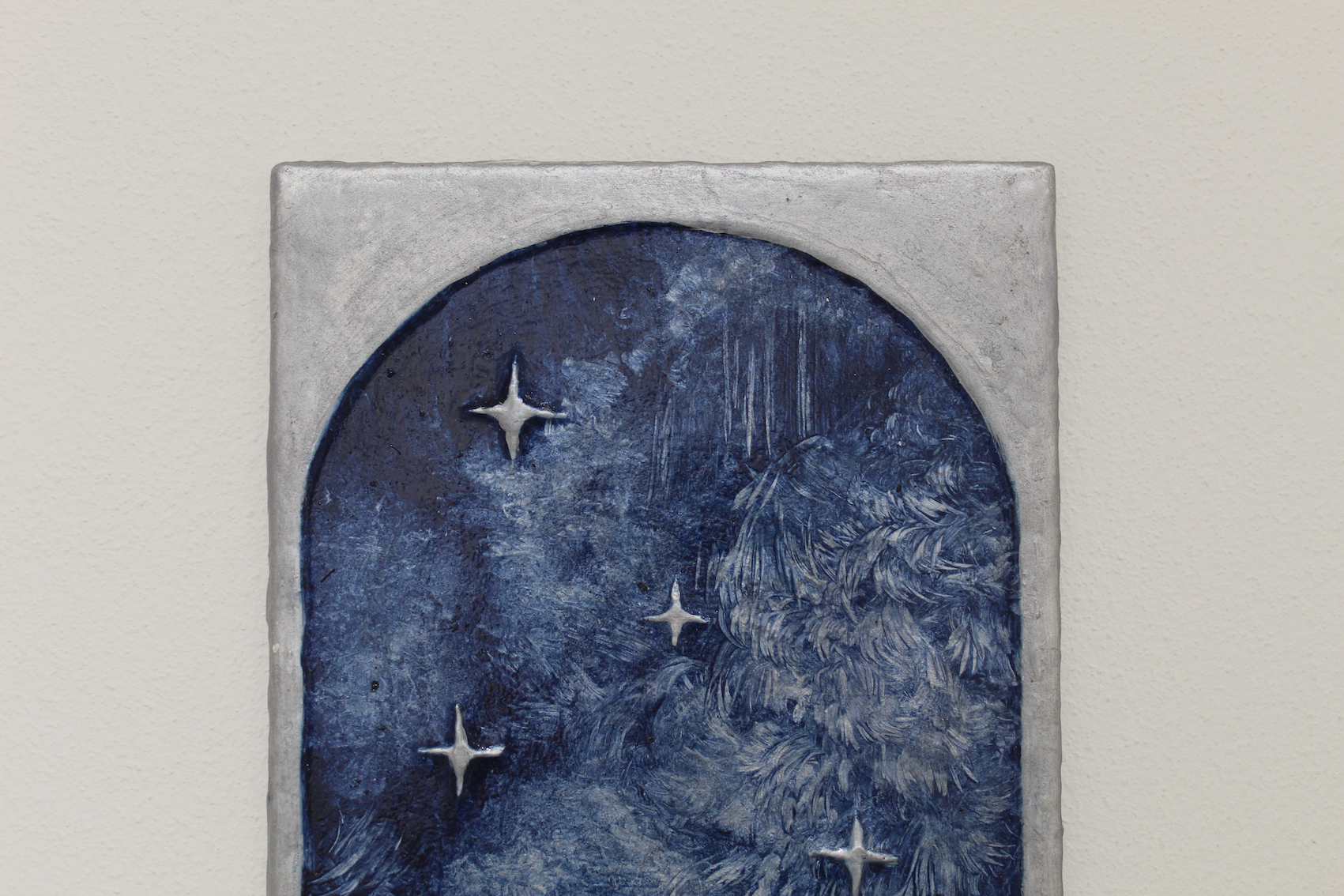
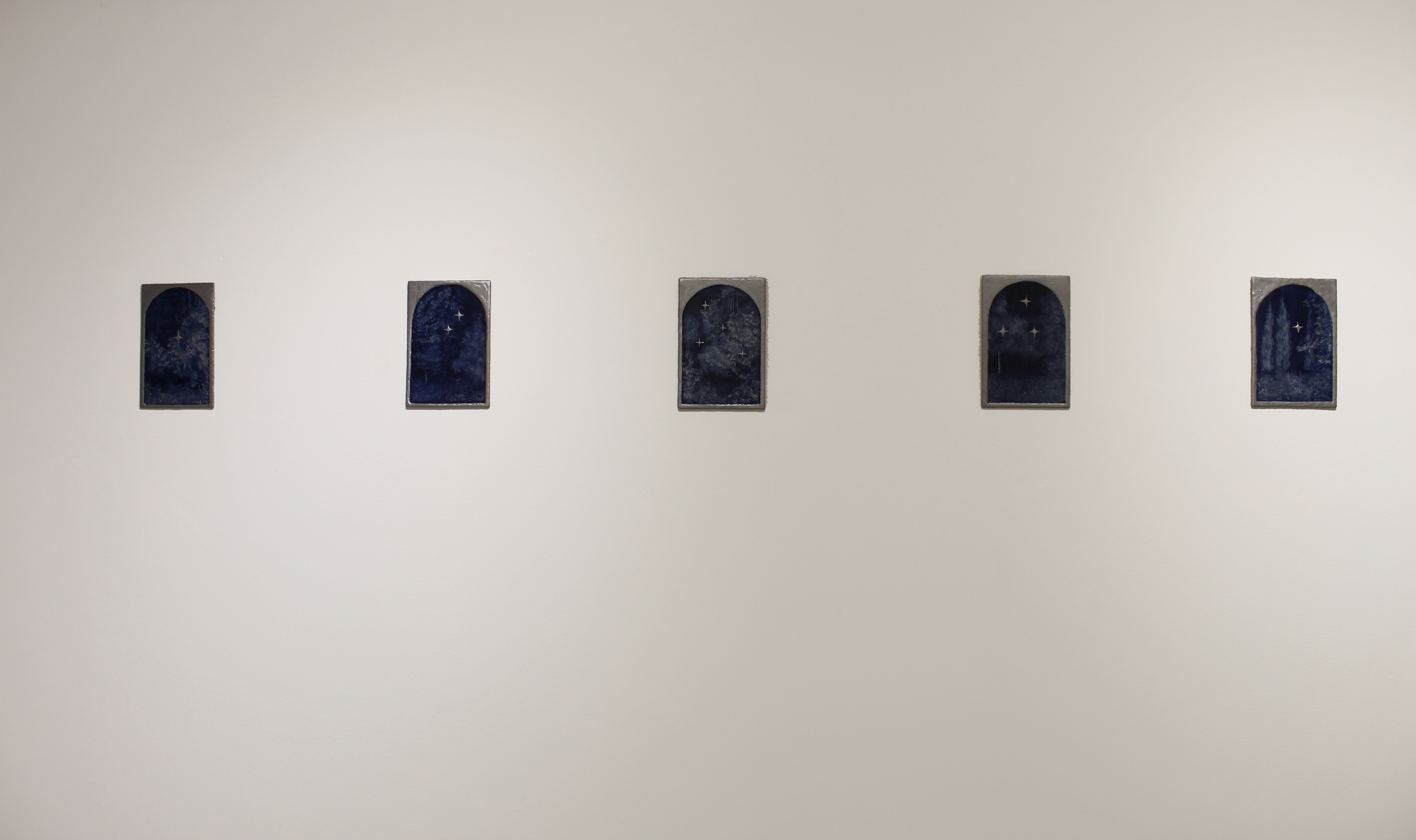
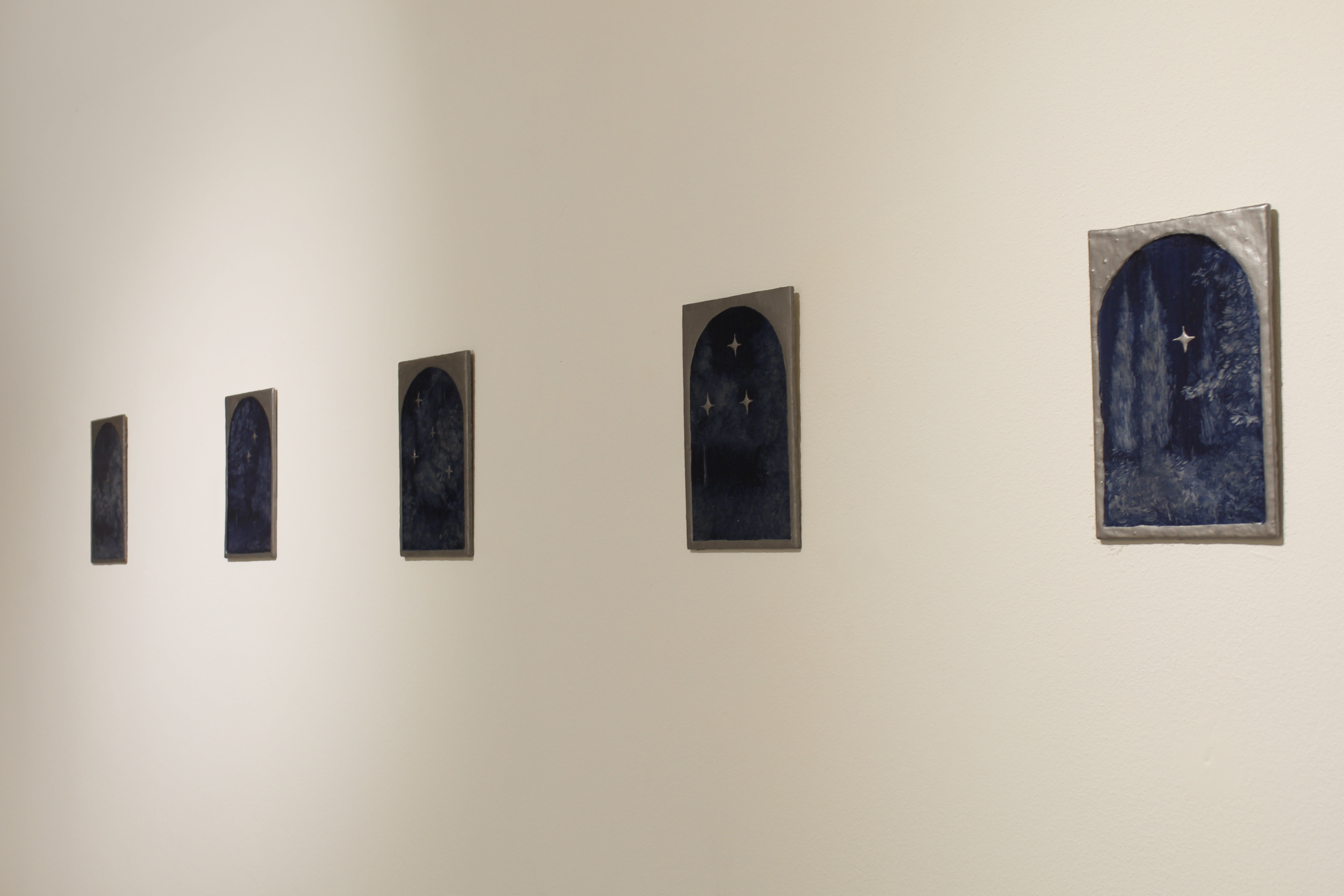
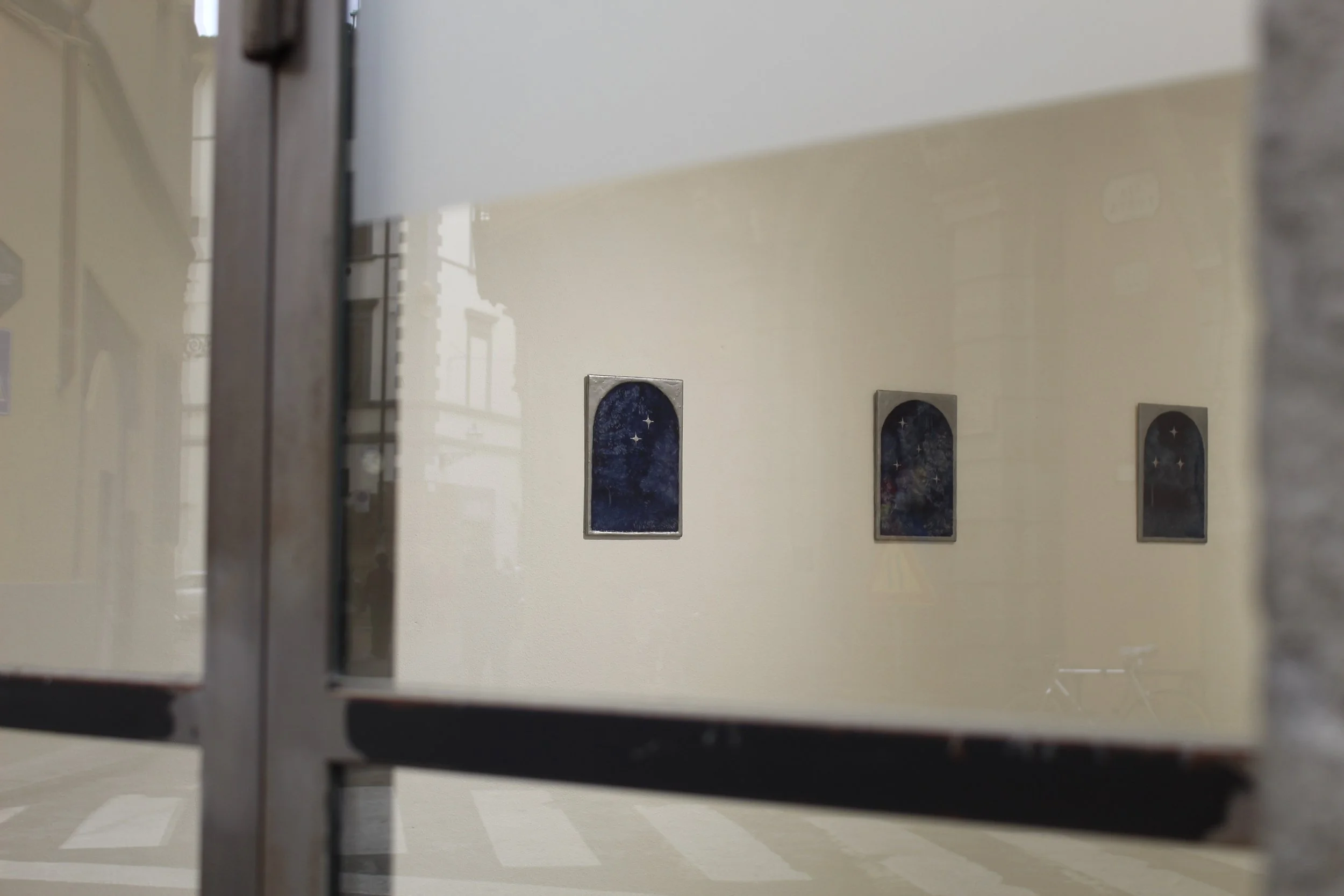
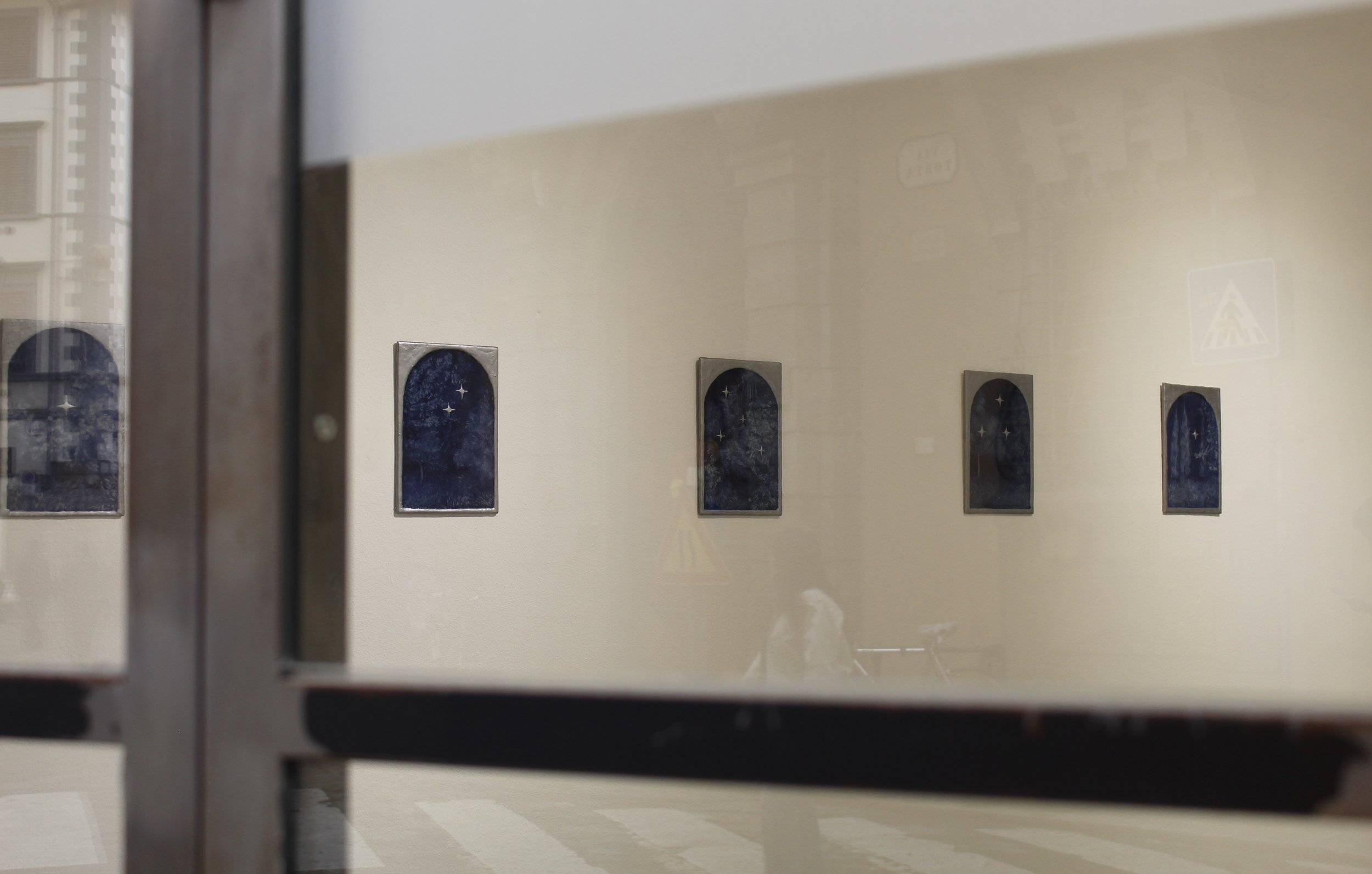
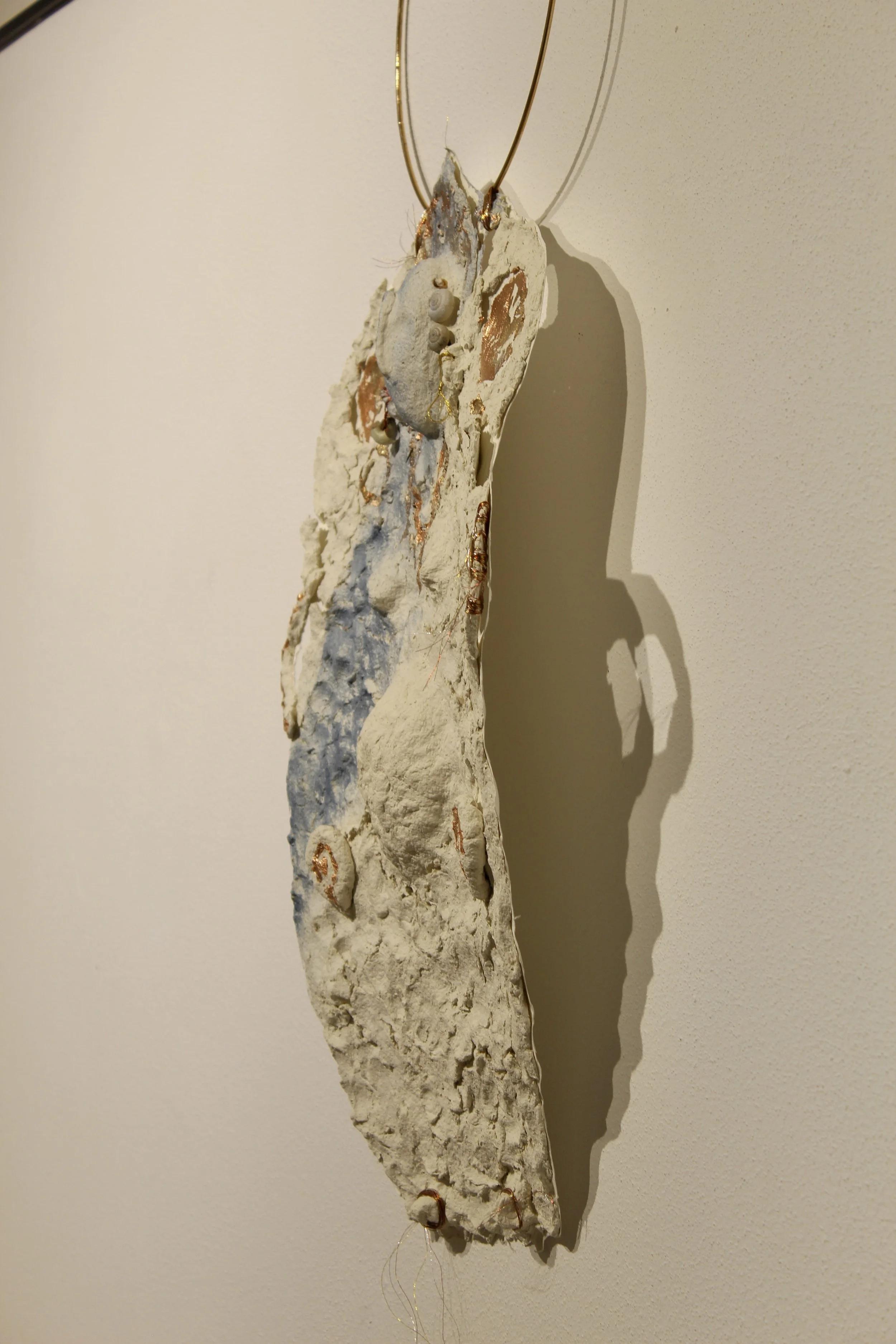
Per Ioana Calin il ricordo è un’esperienza - esperienza talora dal sentore autobiografico, legata ai luoghi vissuti - che ella affida in parte all’osservatore, e la maniera con cui esso prende forma è un meccanismo che introduce l’imprevisto, inteso come altrui libero arbitrio secondo un ordine e una sequenza non considerati o predeterminati. Ioana procede eliminando ciò che al principio era steso sulla tela, strati di materia che adesso lasciano intravedere quanto prima era celato; ella procede per sottrazione, dipinge togliendo, e la materia si fa contorno. Per Ioana rifugio significa togliere il superfluo, quella patina che annebbia il vero ricordo, un ricordo che risana, che guarisce o che scopre ferite solo all’apparenza cicatrizzate.
E allora, che cos’è il rifugio se non un concetto ambivalente, una maschera con due facce con cui siamo chiamati irrimediabilmente a fare i conti, un sentire a cui cerchiamo di dare forma, di rendere riconoscibile e il più possibile rassicurante, solo così ci è dato spingerci oltre, per guardare con forza l’ignoto e gestire la paura.
REFUGE | Claudia Mastrangelo and Ioana Calin
with a video by Jezabel Traube
critical text by Loredana Barillaro
opening: Friday, May 8, 2026
The Open Studio, Florence
Claudia Mastrangelo and Ioana Calin, in conceiving their exhibition, set out to reflect on the theme of refuge, considering its many facets, its trajectories, and its points of arrival.
When we think of refuge, we are inclined to define it as something concrete, materially tangible, something that welcomes and protects us from what is other than ourselves, from what frightens us, offering us peace.
But does refuge truly have a strictly and exclusively material connotation? Is it not, rather, an abstract concept if we consider it as a state of well-being, subjective and relative? We realize we have found it and wish to dwell within it when we are happy, when we feel our bodies light and in harmony.
It is from this point that everything begins: from questioning what refuge is, what it represents, and in what form it manifests itself. The artists ask these questions of themselves, and of us.
Etymologically, the word derives from the Latin refugere, meaning “to flee back,” somewhat like rewinding a tape, a movement forward and backward, where refuge becomes something to strive toward or to escape from, something to break free of or simply to seek elsewhere.
The creative processes of the two artists are markedly different, perhaps even opposite, Claudia places particular emphasis on material, Ioana on concept. Yet both are able to bring their respective inquiries into alignment, developing a parallel body of work. Within the exhibition, the two artists move in the same direction; even as they trace autonomous paths, their use of different materials now reveals a shared urgency.
For Ioana Calin, refuge becomes memory, remembrance; she creates through light that takes on substance. For Claudia Mastrangelo, it evokes a generous act tied to the idea of giving, to what emerges from the act of creation itself.
Claudia’s practice is physical, substantial, ready to welcome and envelop like an embrace. It is a body of work with archaic connotations: her sculptures in terracotta, ceramic, and papier-mâché embody female figures. Strong, maternal, robust women, adorned in precious garments, stand there performing their apotropaic function, becoming refuge through the solidity of their forms.
It is the material that speaks, and the artist captures the wonder of what emerges at the moment the creative process concludes, guided by the spontaneity of gesture.
For Ioana Calin, memory is an experience - at times bearing autobiographical traces, tied to lived places - which she partially entrusts to the viewer. The way it takes shape introduces an element of unpredictability, understood as the free will of the other, unfolding according to an order and sequence neither predetermined nor foreseen. Ioana proceeds by removing what was initially laid upon the canvas: layers of matter that now reveal what was once hidden. She works through subtraction, painting by taking away, until matter becomes contour. For Ioana, refuge means stripping away the superfluous, that veil which obscures true memory, a memory that heals, that restores, or that uncovers wounds only seemingly closed.
And so, what is refuge if not an ambivalent concept, a mask with two faces with which we are inevitably called to reckon? It is a feeling we strive to shape, to render recognizable and as reassuring as possible. Only then are we able to push beyond it, to face the unknown with strength and to manage fear.