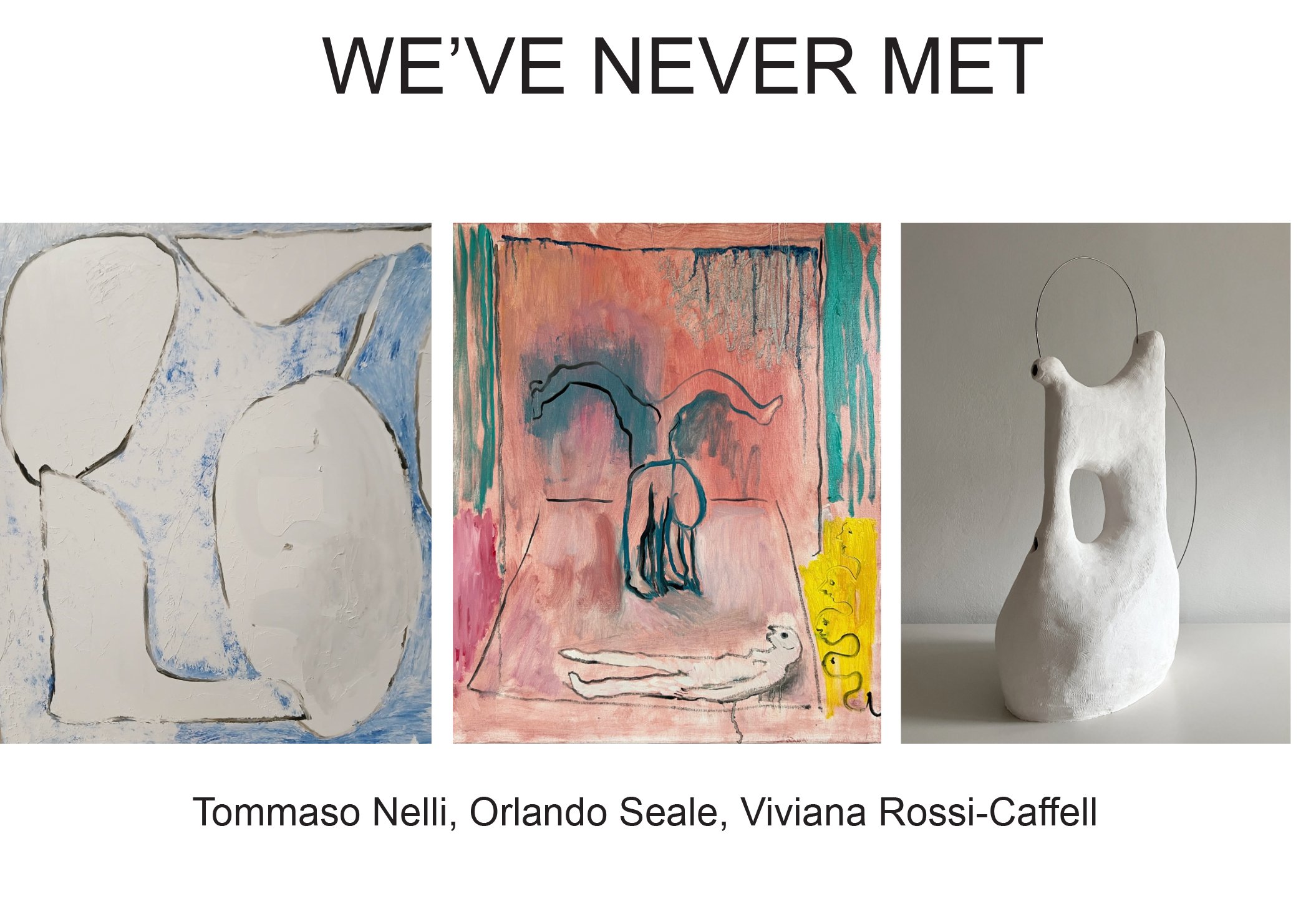
WE’VE NEVER MET | Tommaso Nelli, Orlando Seale, Viviana Rossi-Caffell
Testo di Valeria Molaioli
Vernissage: giovedì 16 luglio 2026
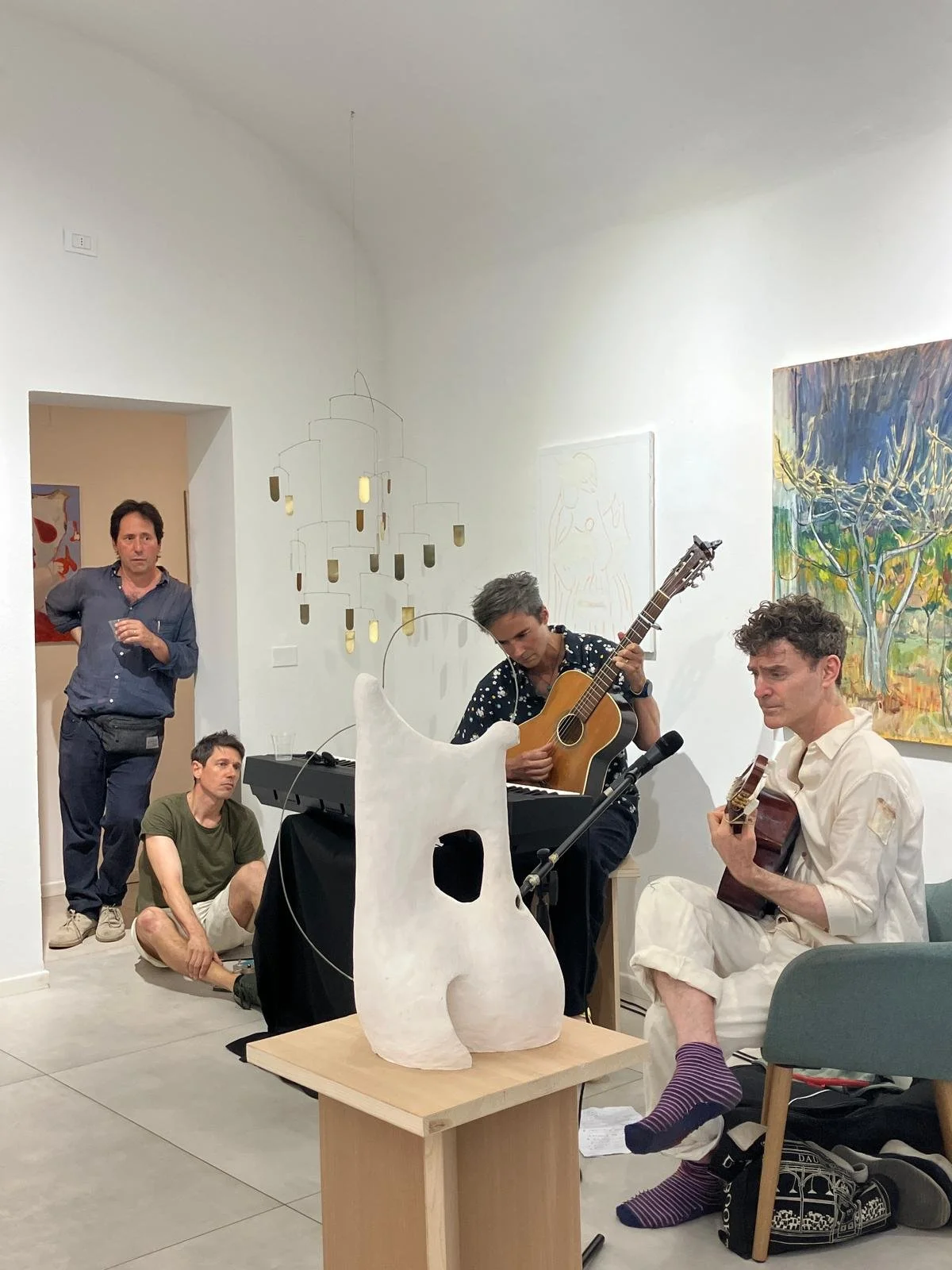
Performance “Fool’s leap” by Orlando Seale with Tom Dyson
The Open Studio Firenze
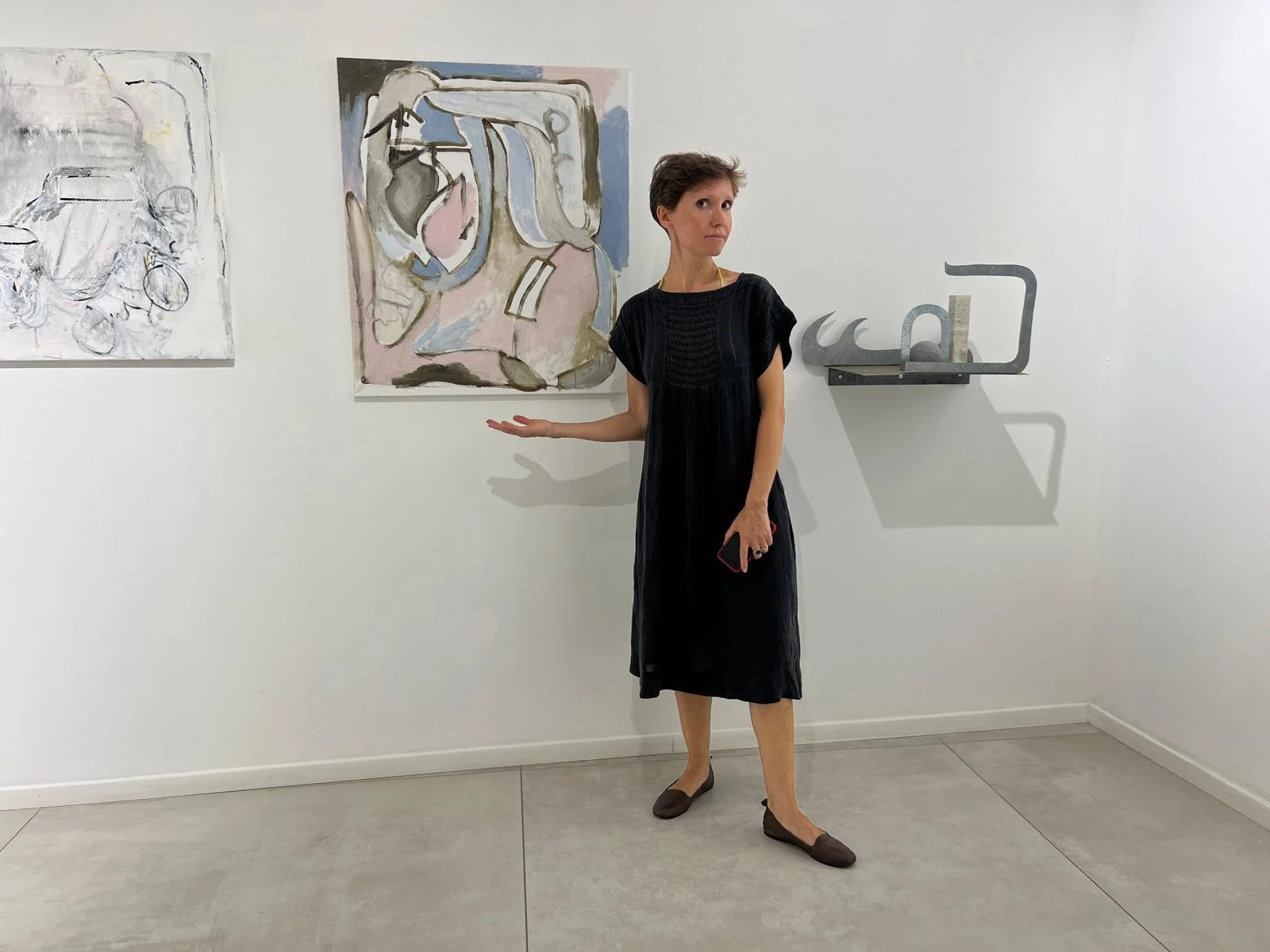
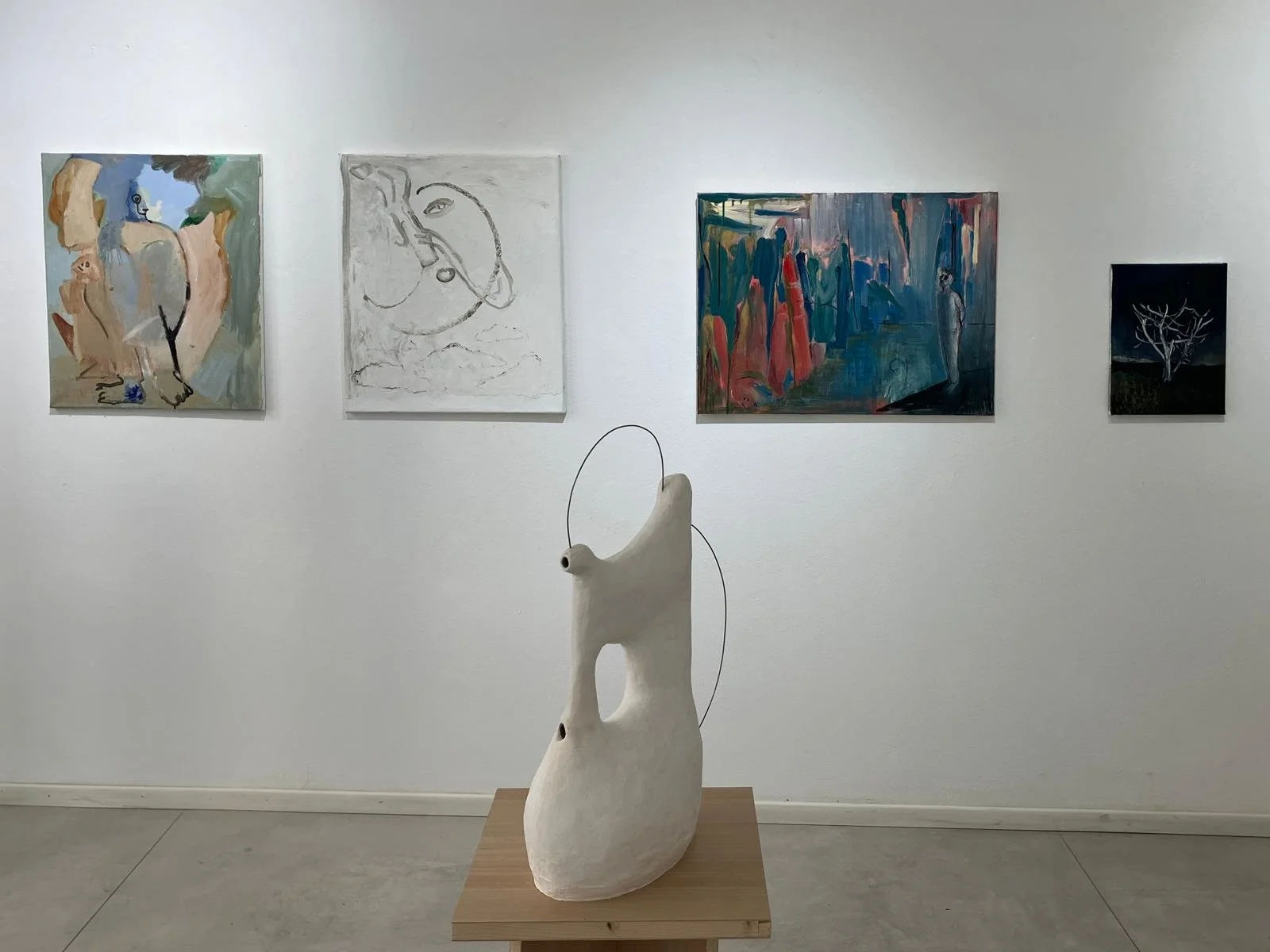
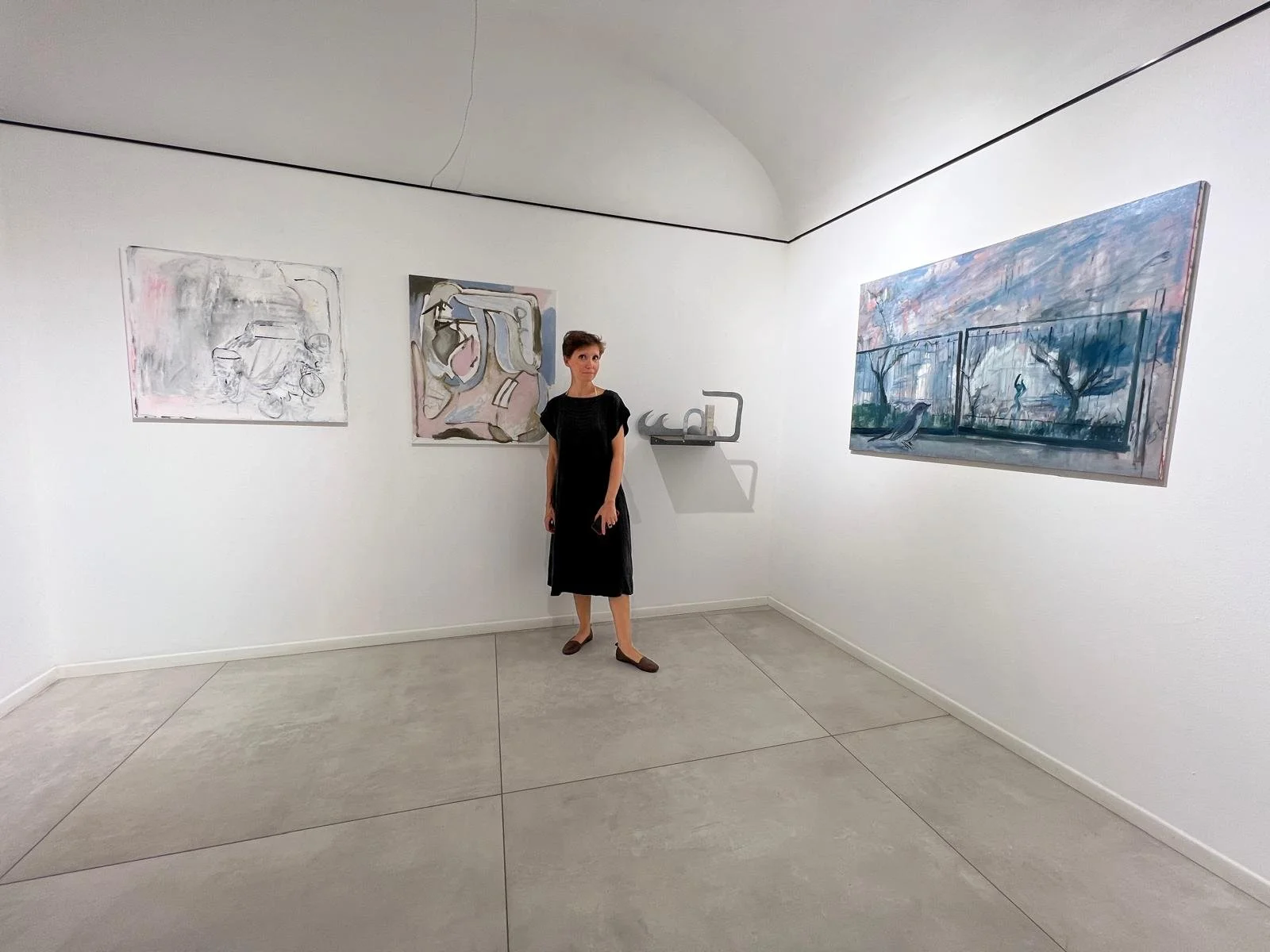
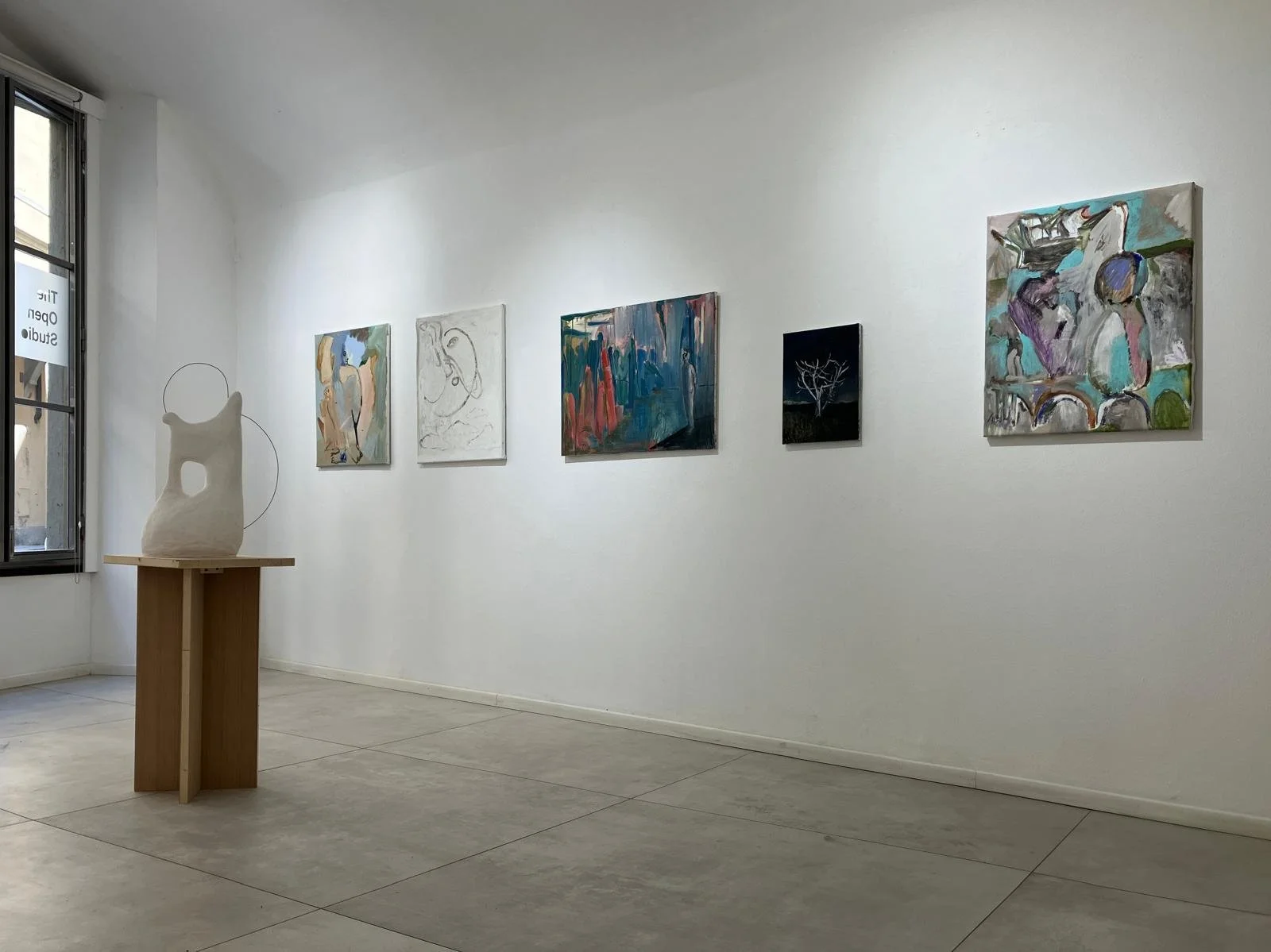
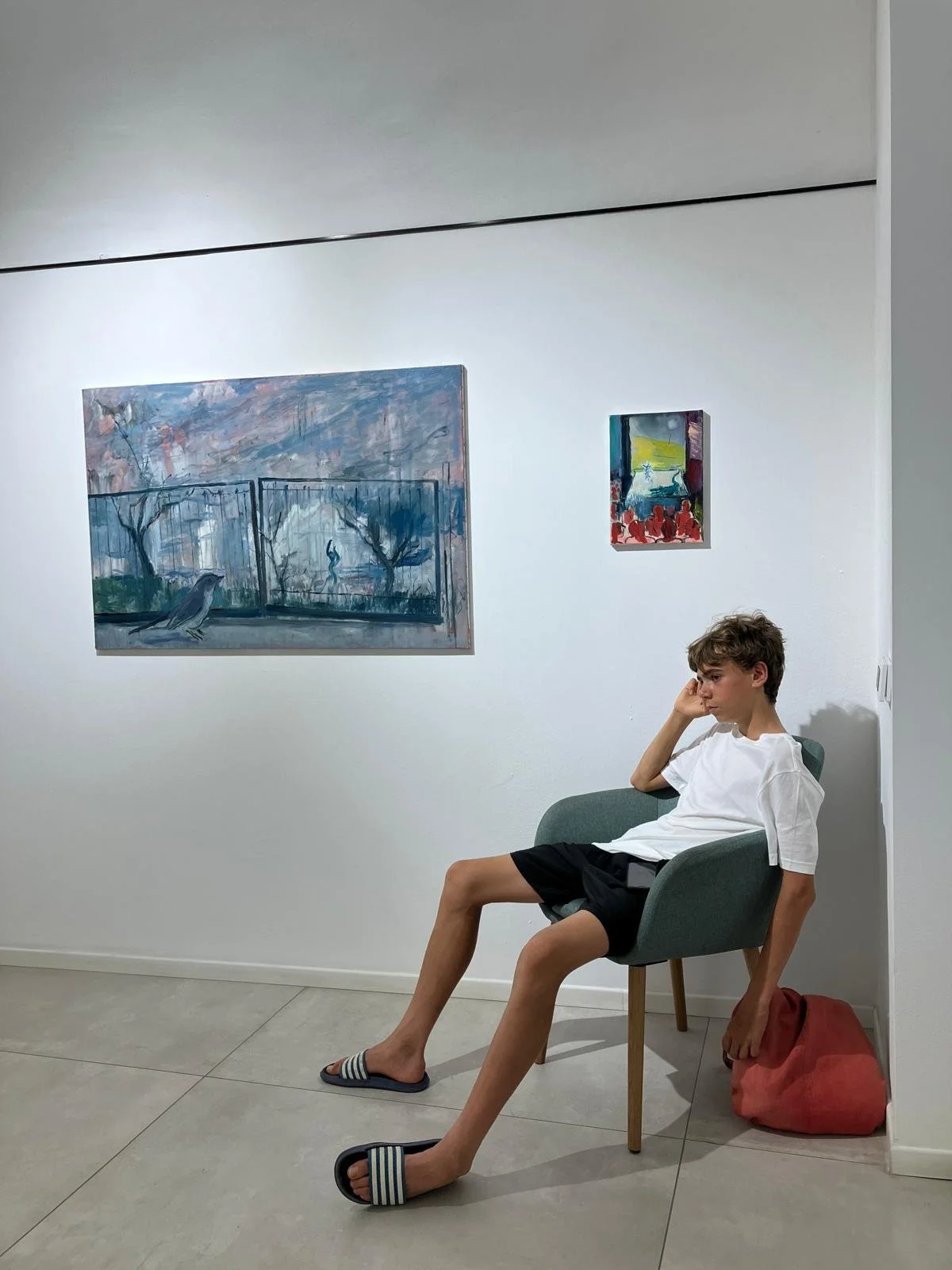
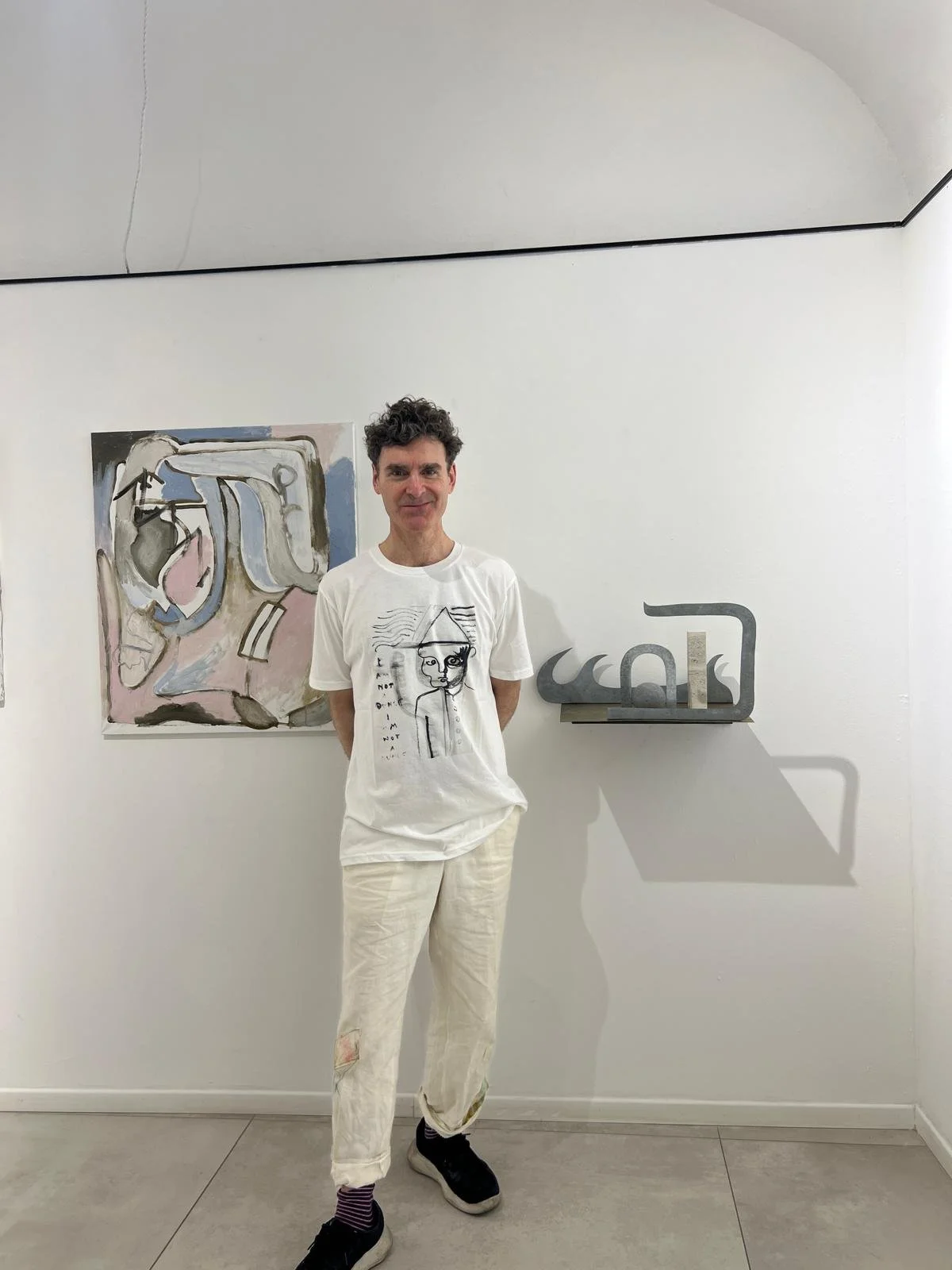
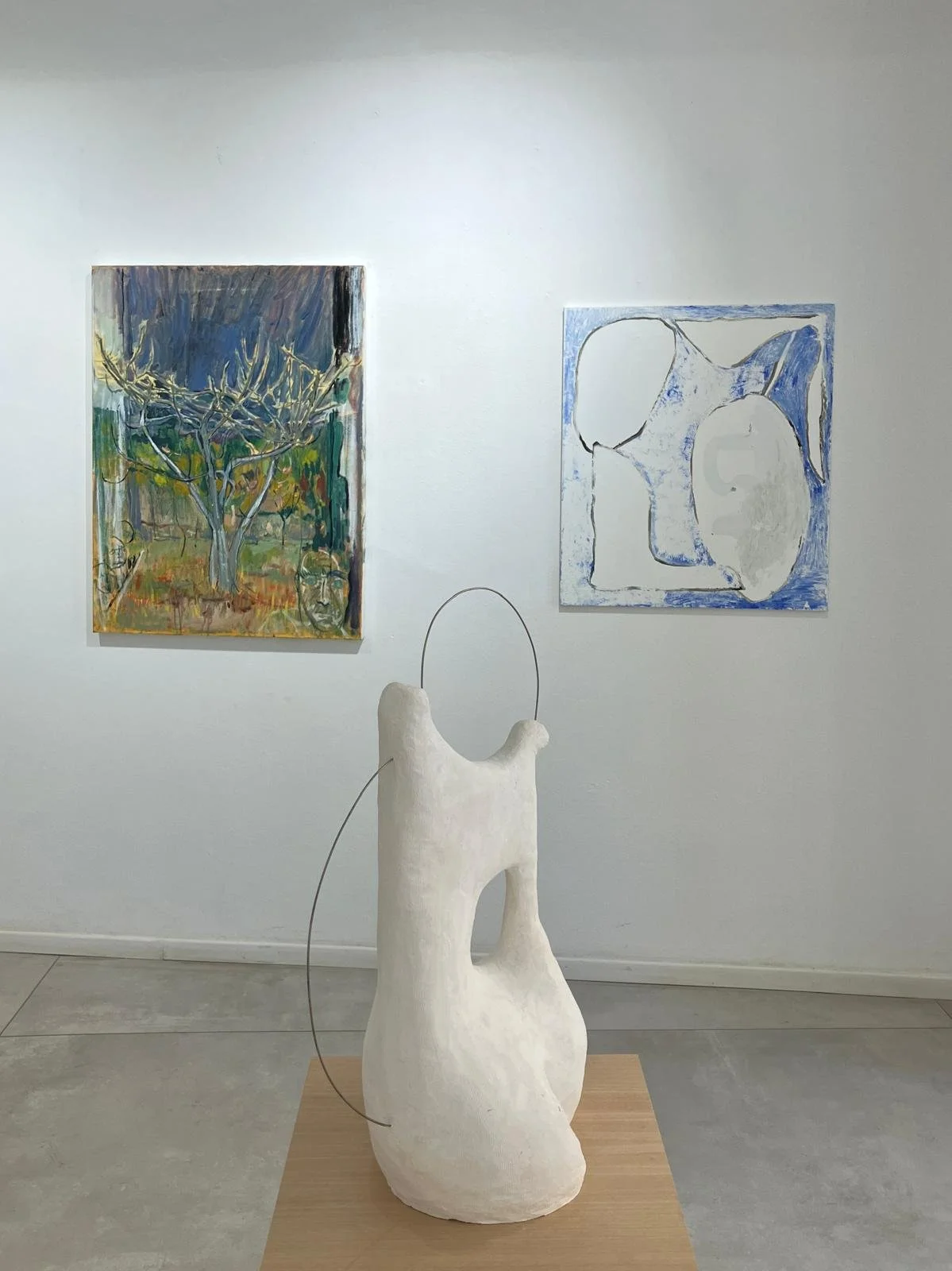
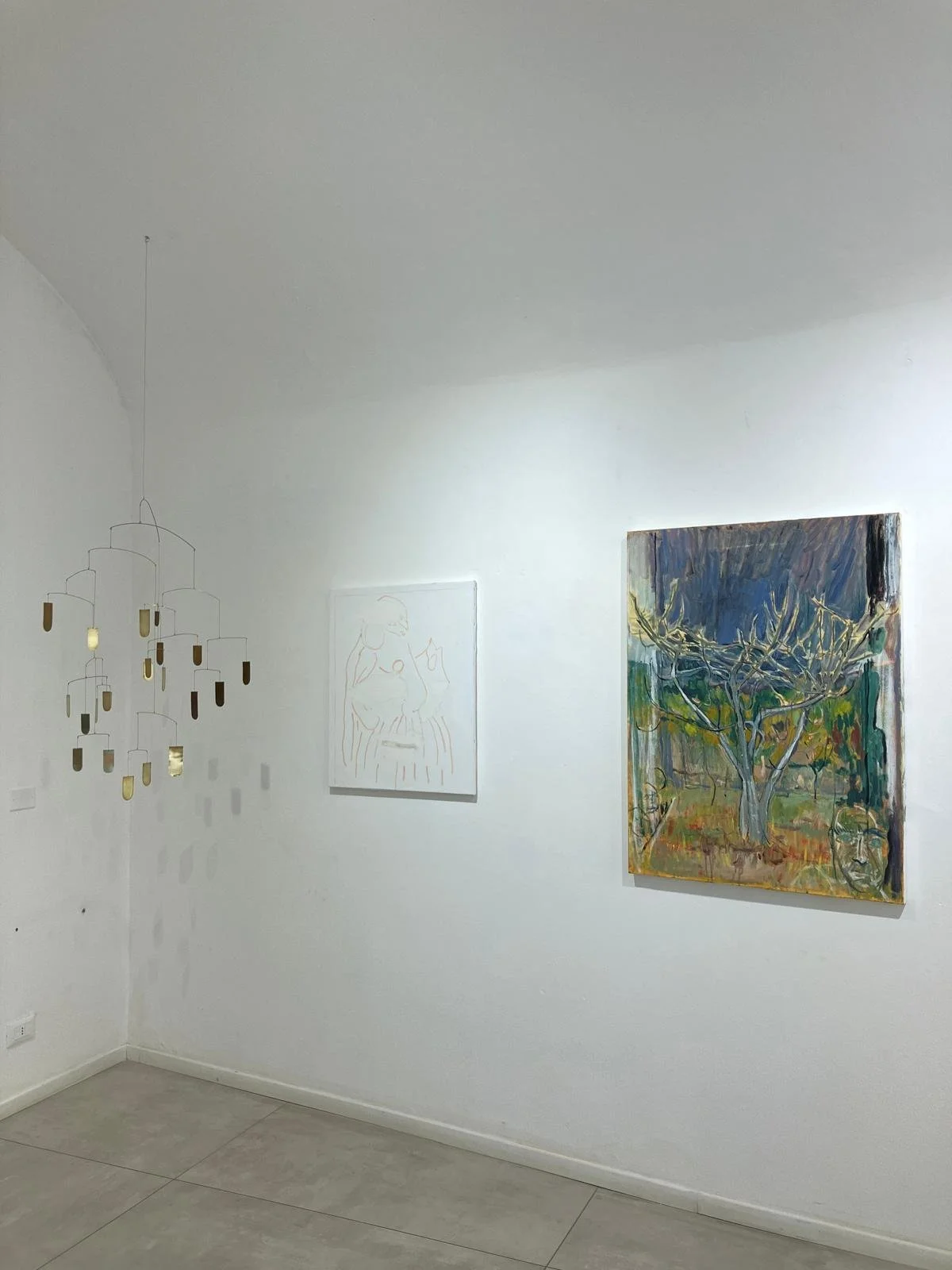
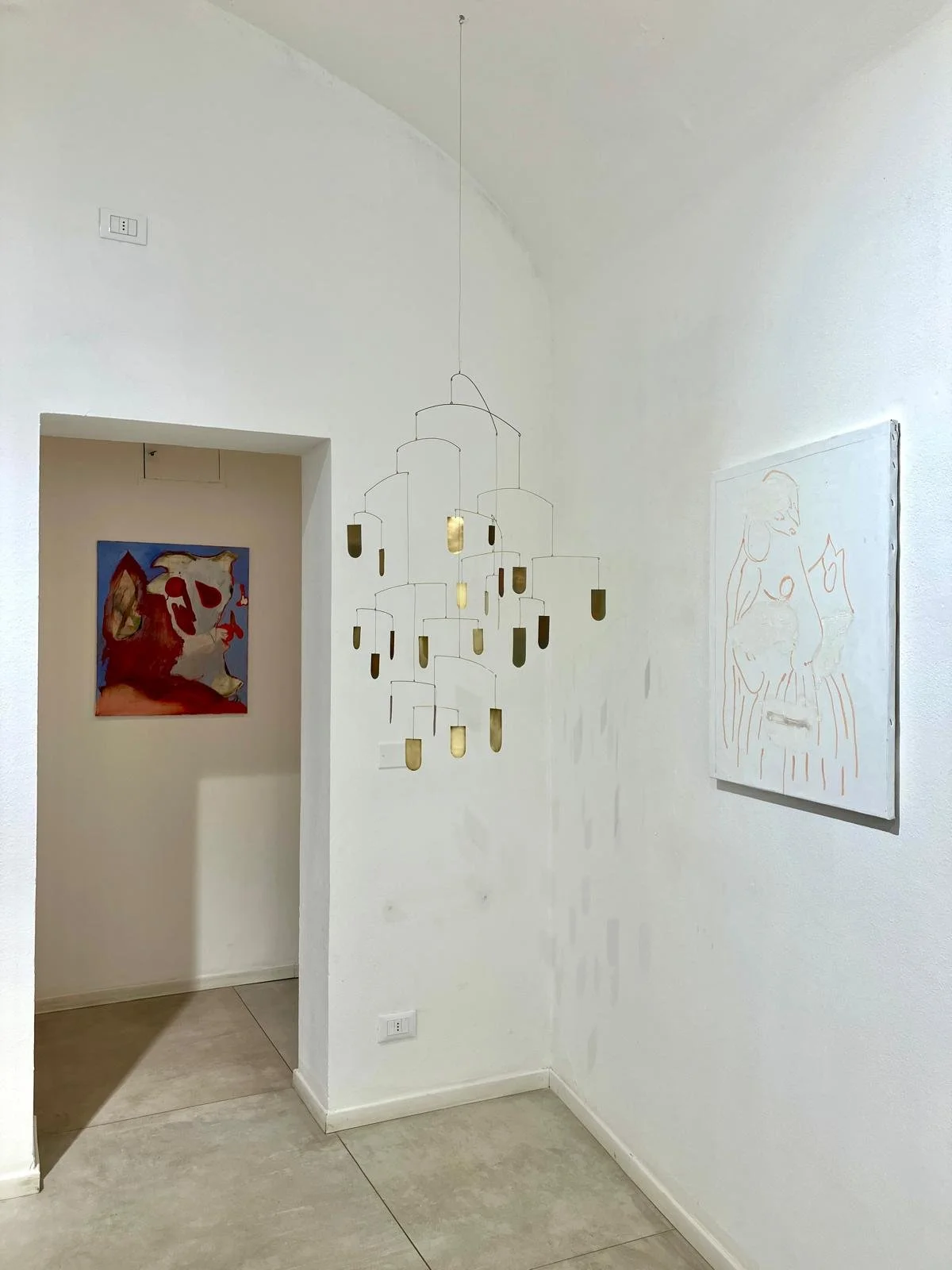
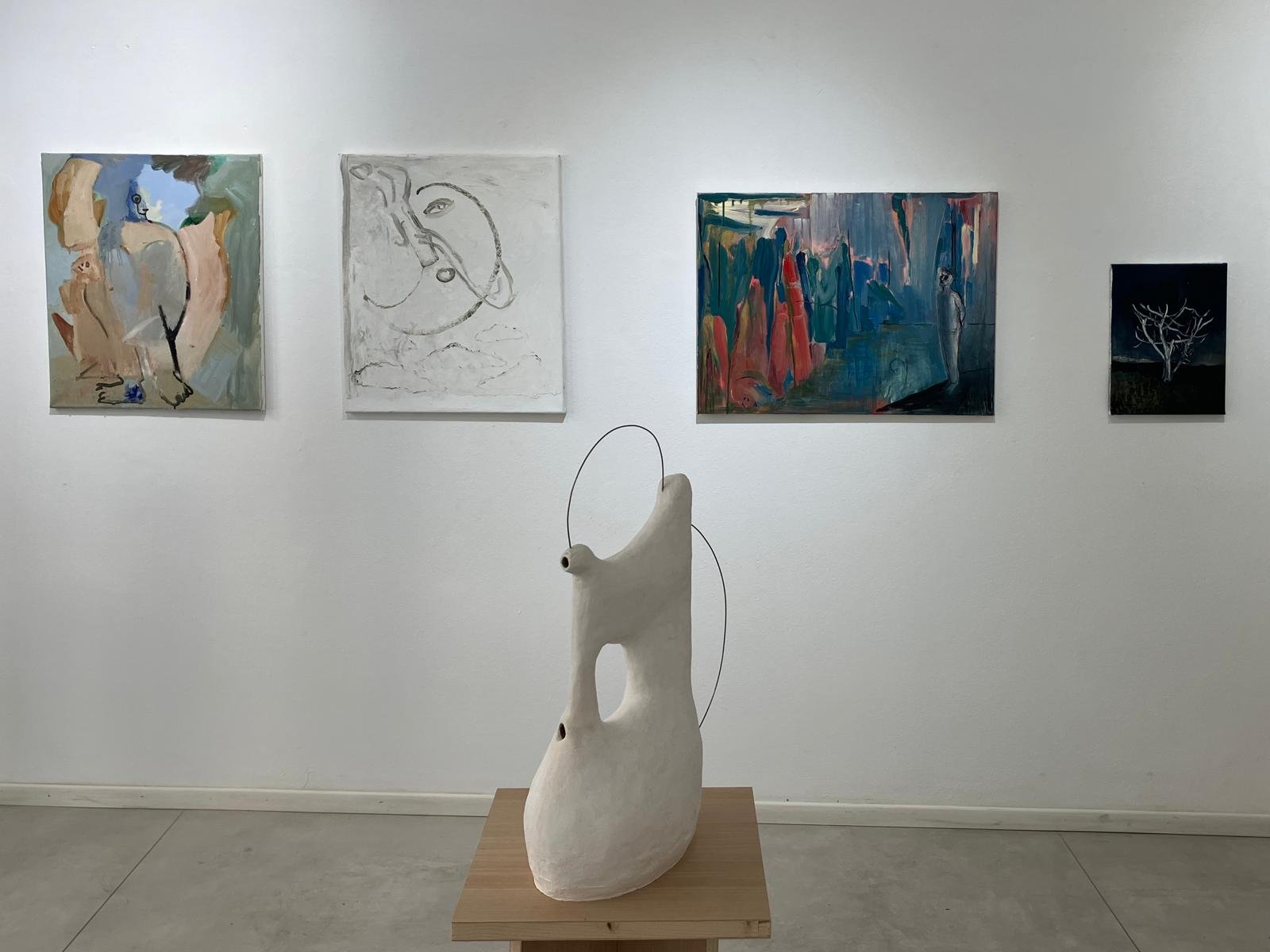
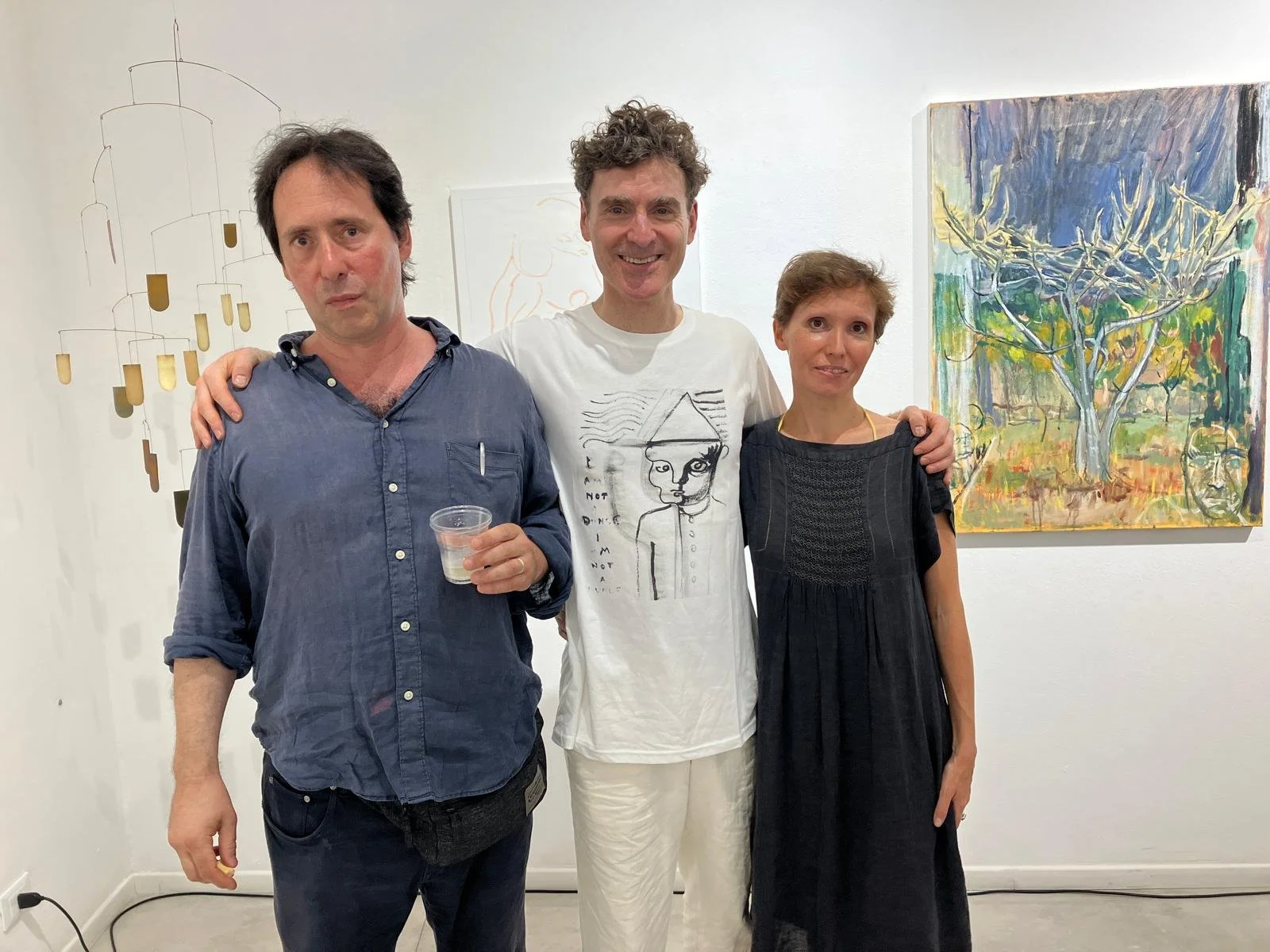
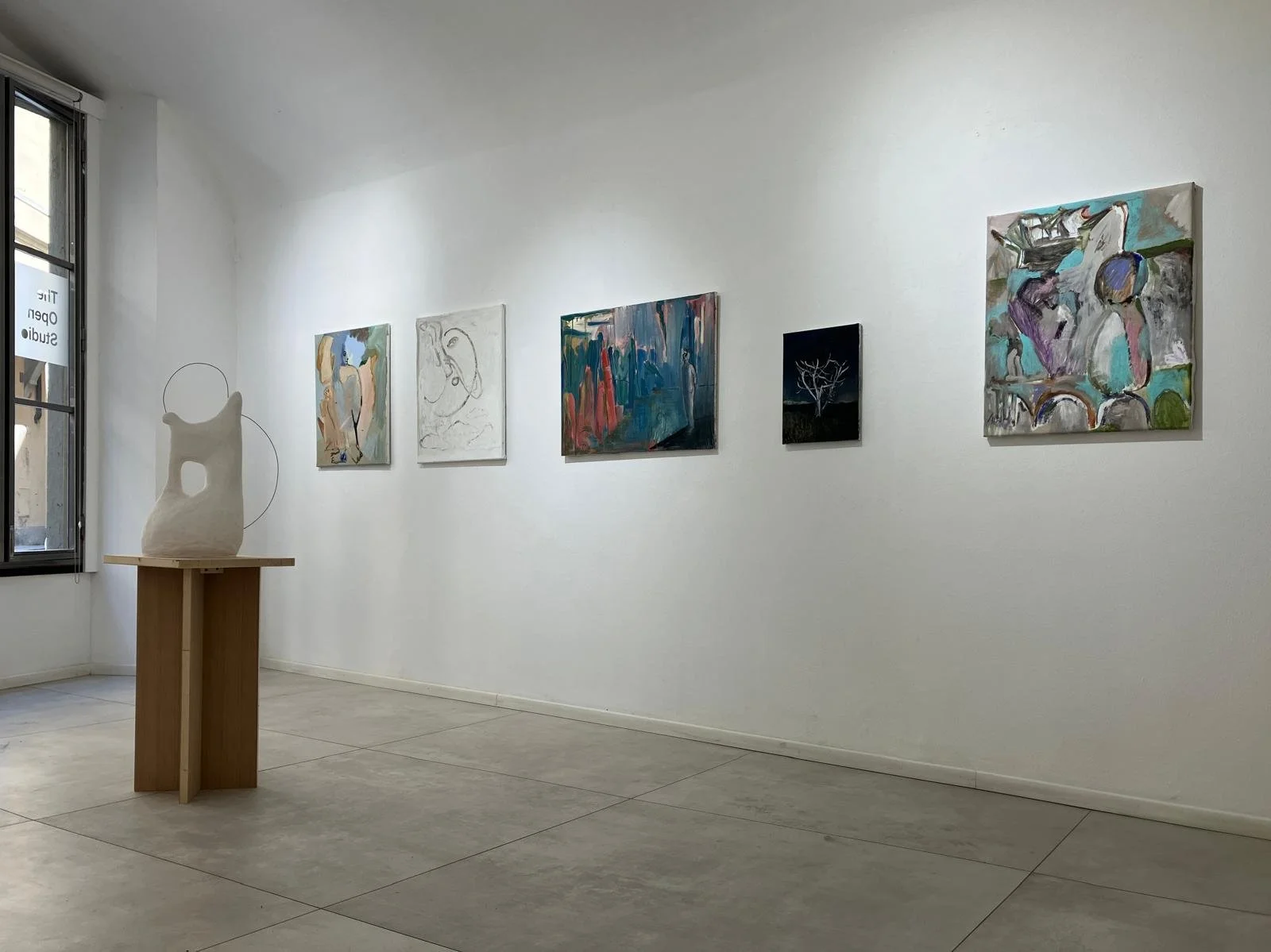
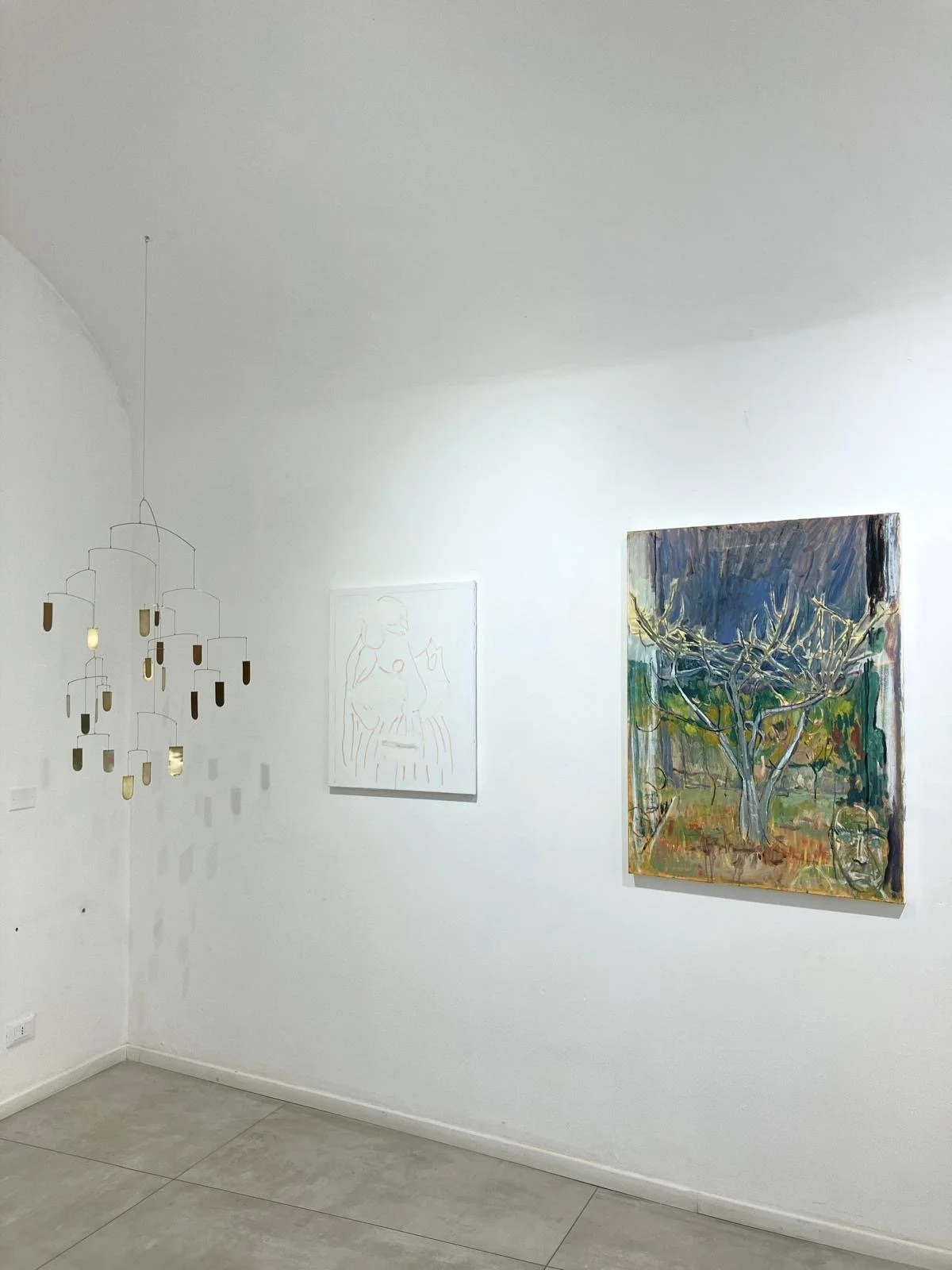
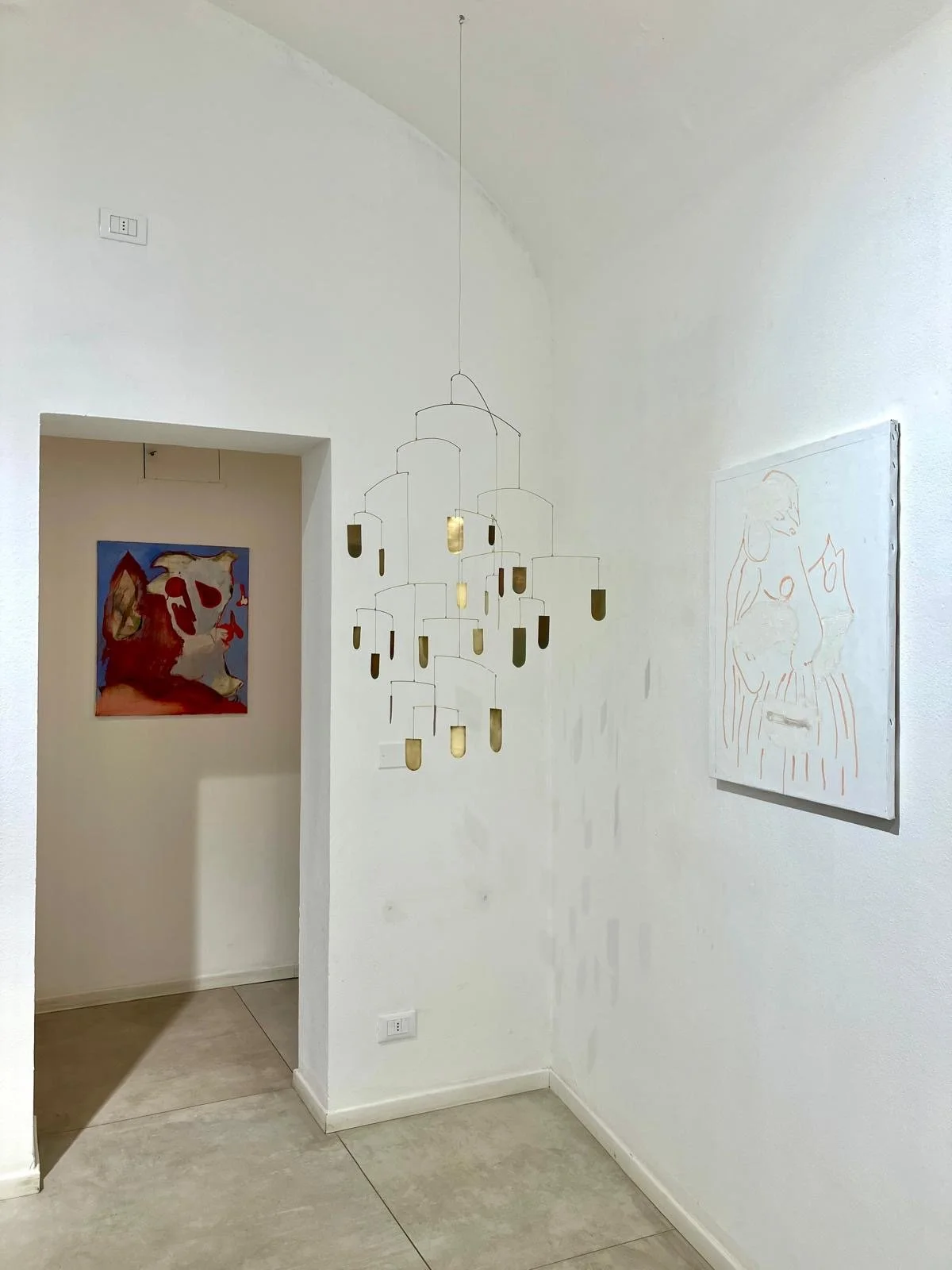
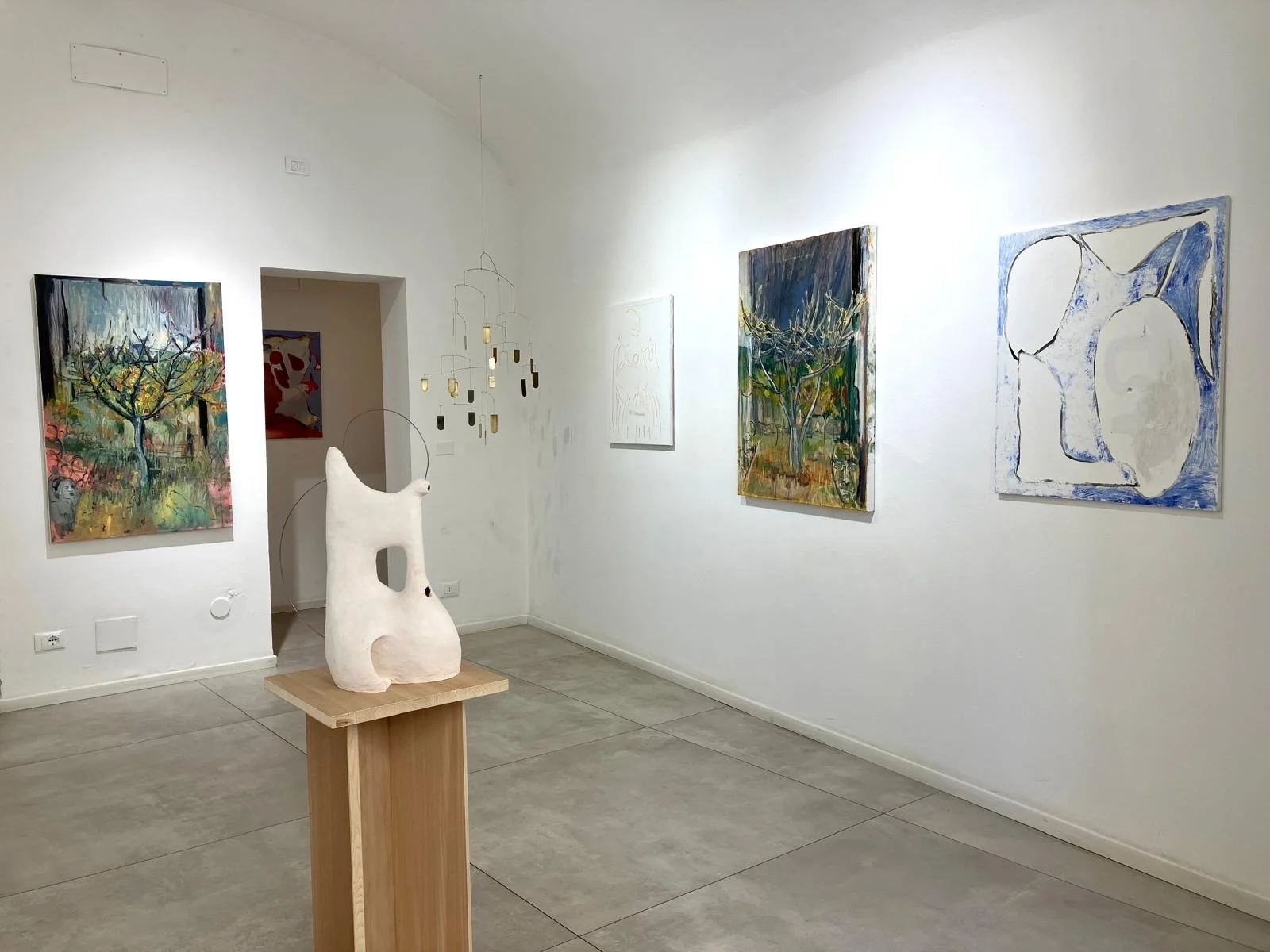
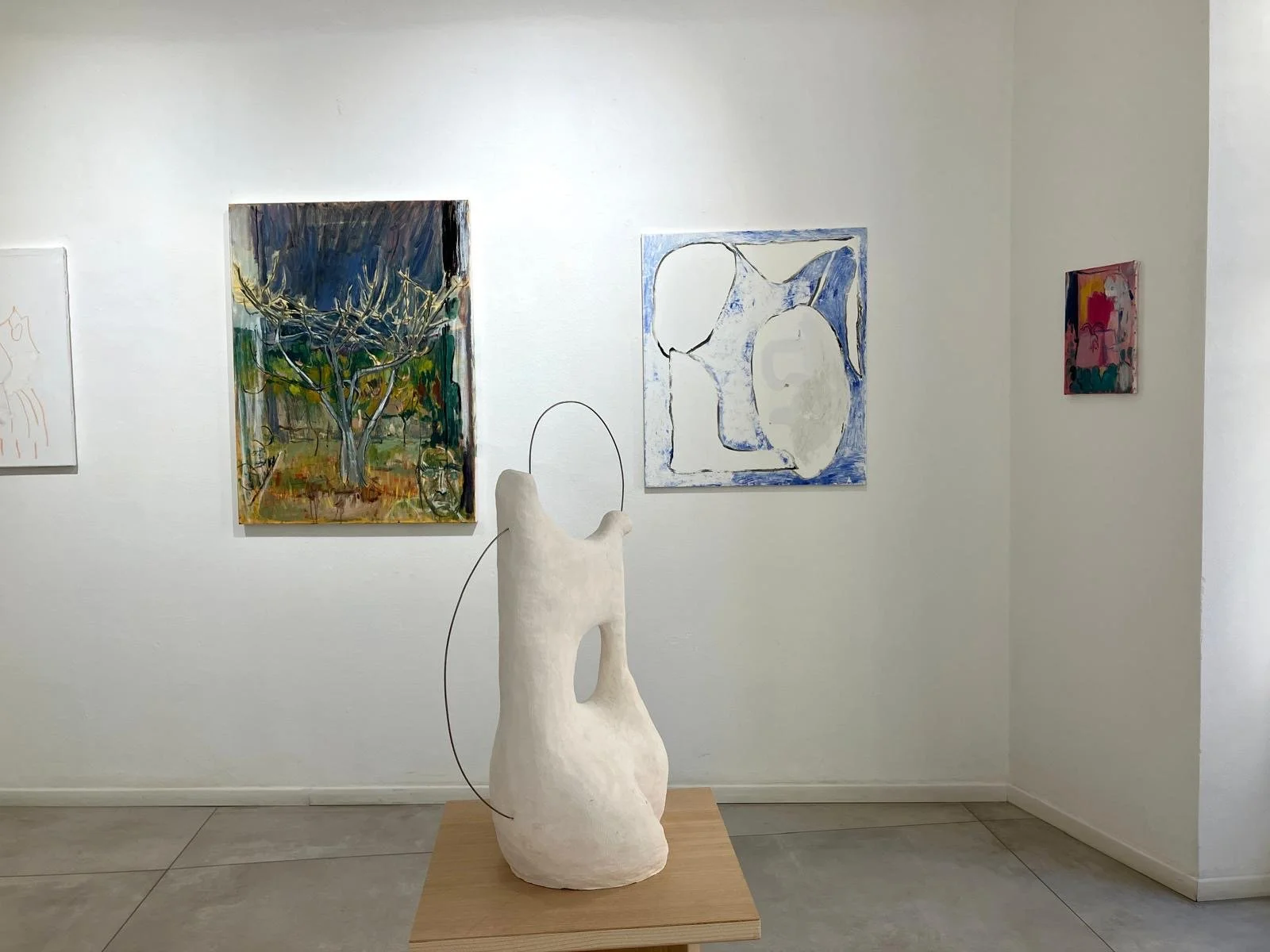
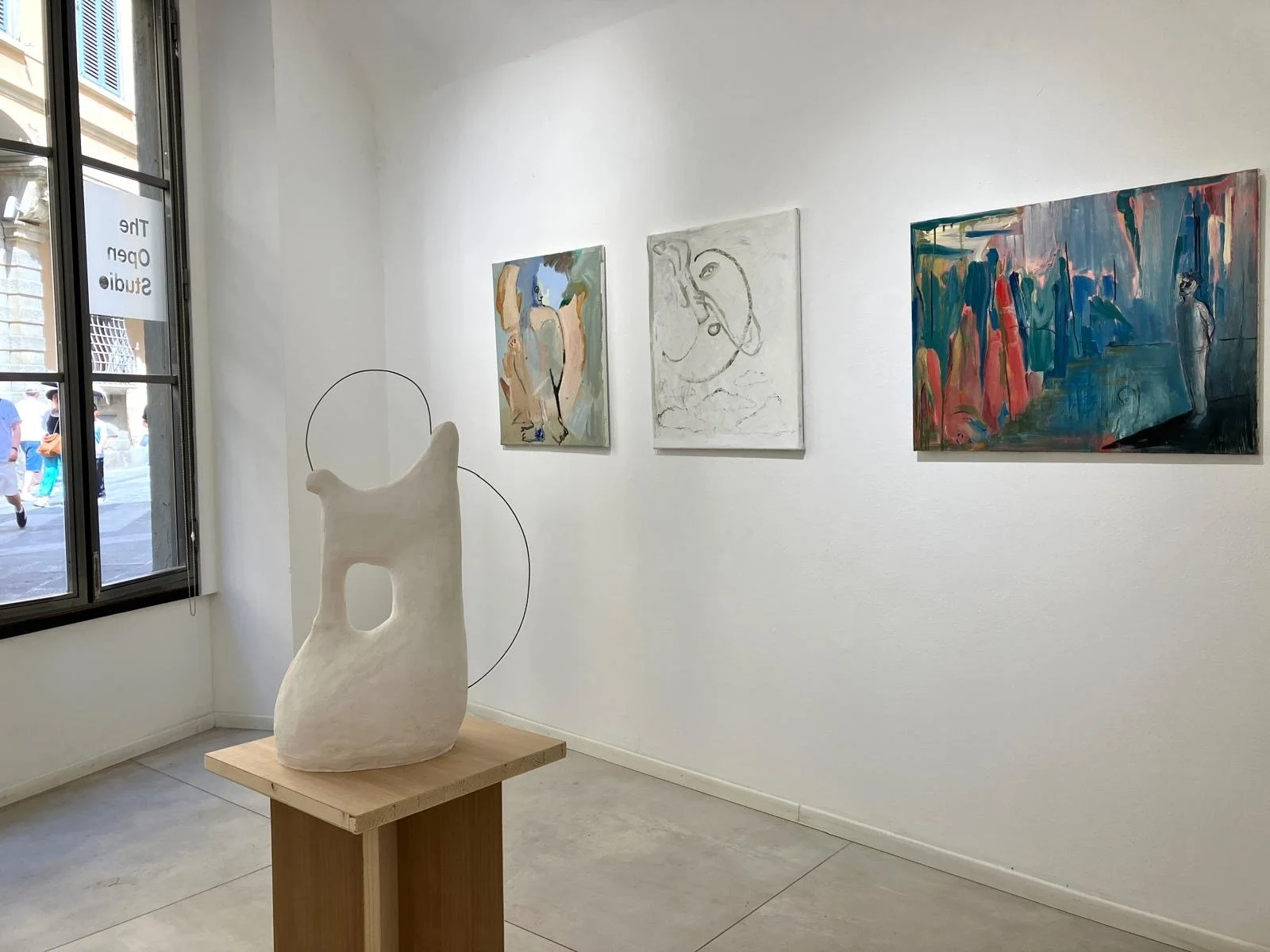
Ci sono ricerche artistiche che procedono per affermazione e altre che scelgono di abitare l’incertezza. Le opere riunite in questa mostra appartengono a questa seconda famiglia: non cercano di dimostrare una tesi né di imporre una forma al reale, ma si sviluppano come pratiche di ascolto, in cui il fare coincide con un progressivo disvelamento.
Pur attraverso linguaggi profondamente differenti, Orlando Seale, Viviana Rossi-Caffell e Tommaso Nelli condividono un atteggiamento raro: rinunciano all’idea dell’artista come autore onnisciente per assumere quella di un soggetto disponibile a lasciarsi trasformare dall’opera stessa. La creazione non è un atto di controllo, ma un processo di relazione, in cui ciò che emerge sorprende innanzitutto chi lo genera.
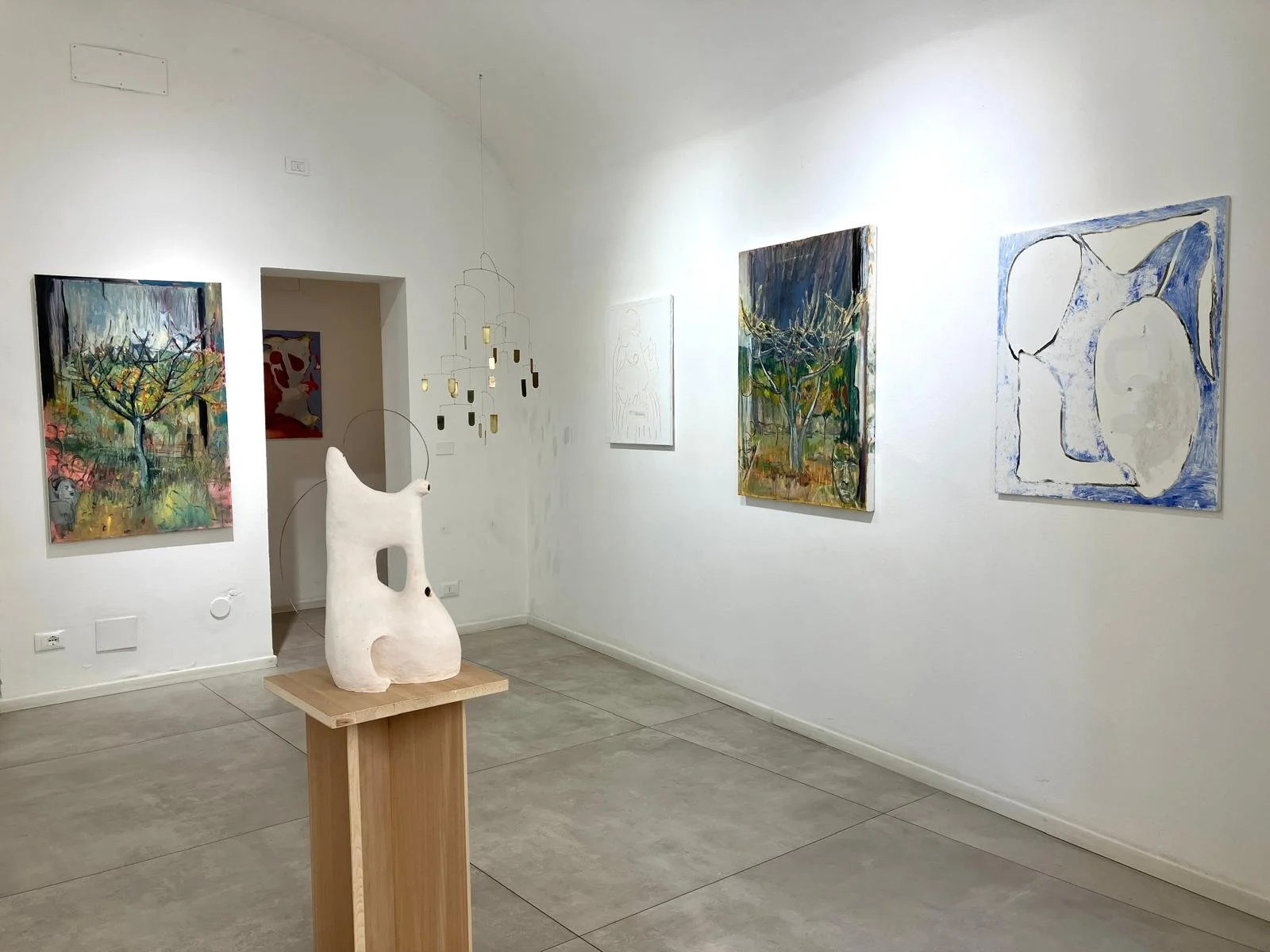
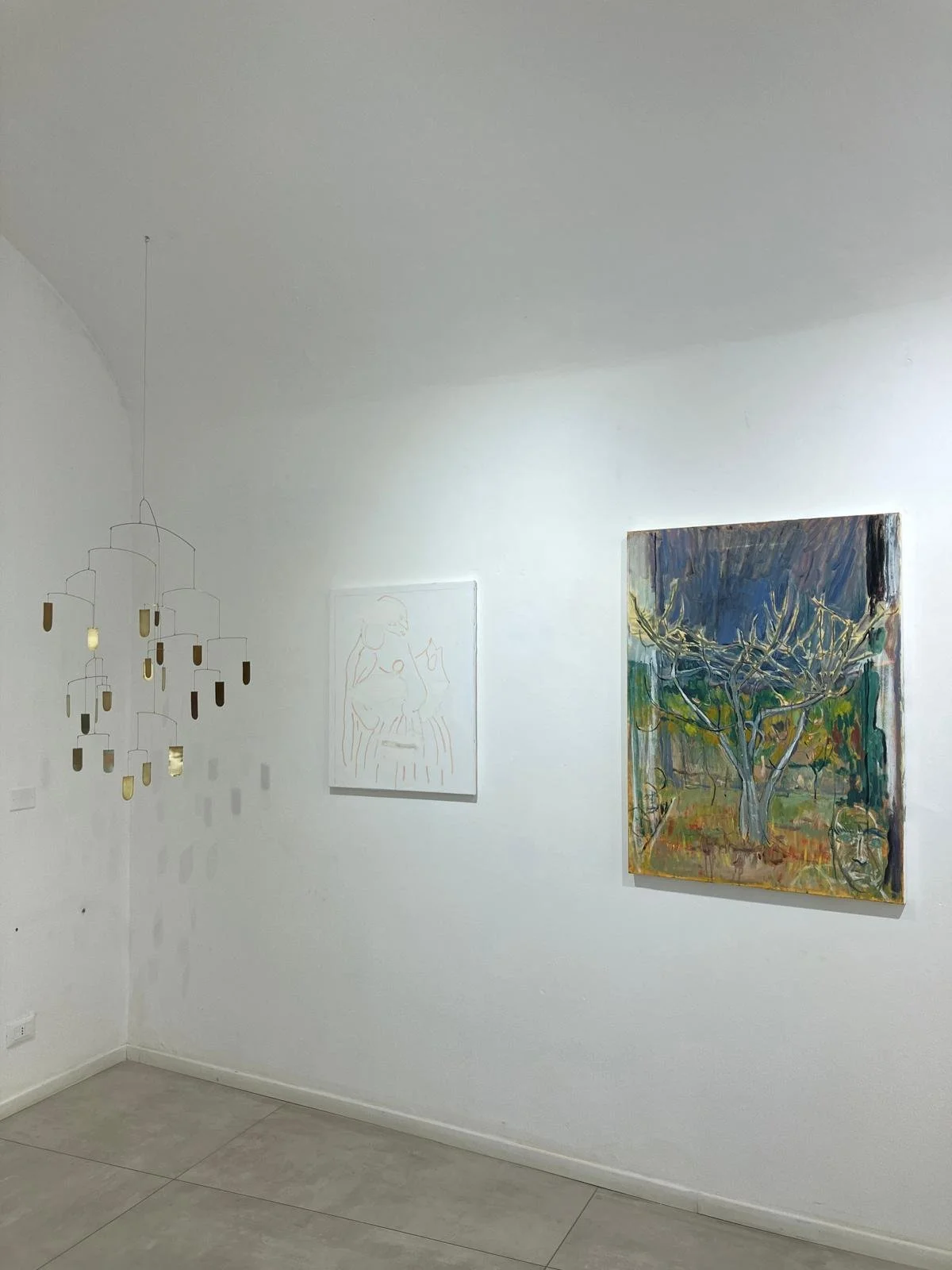
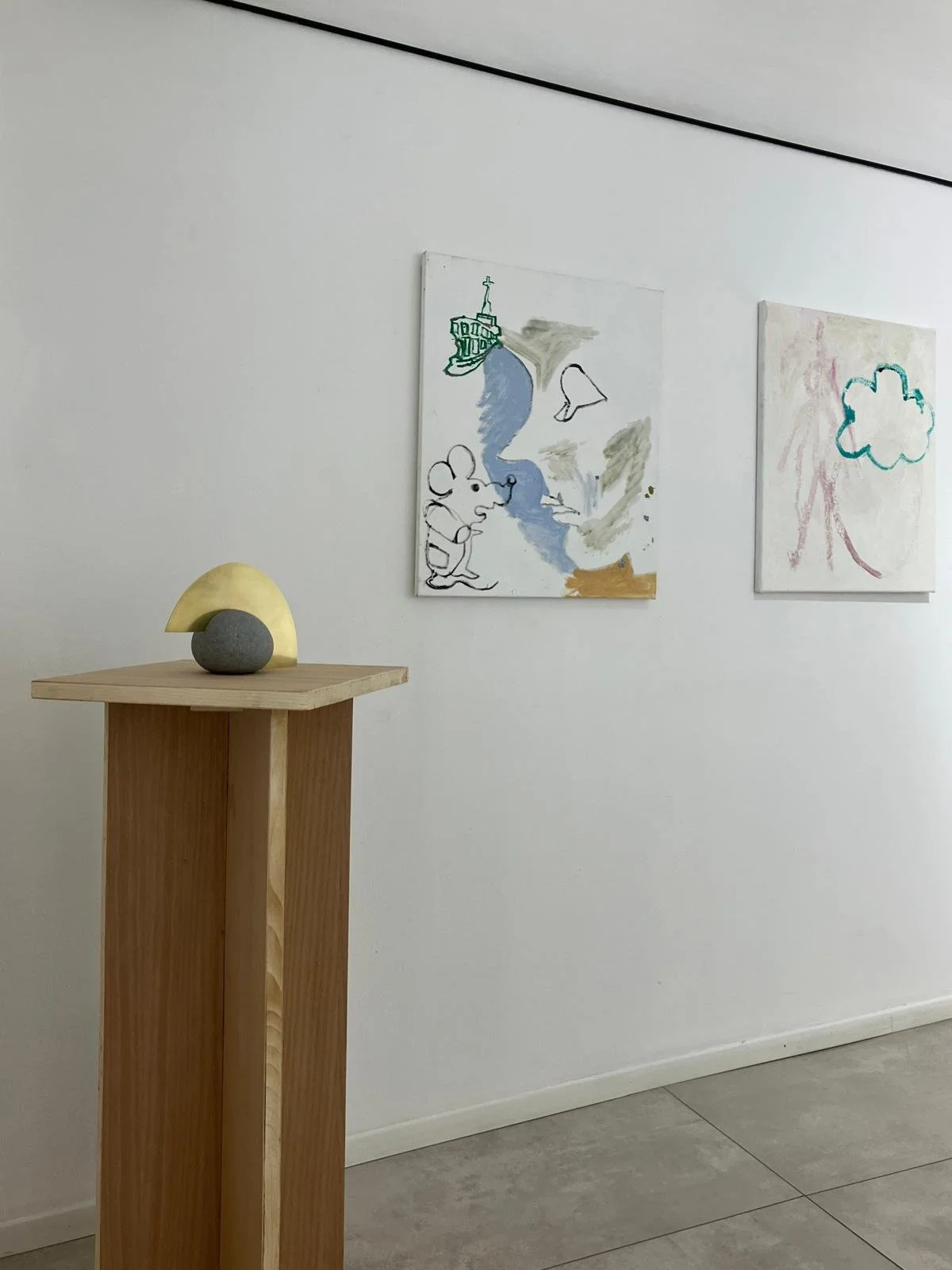
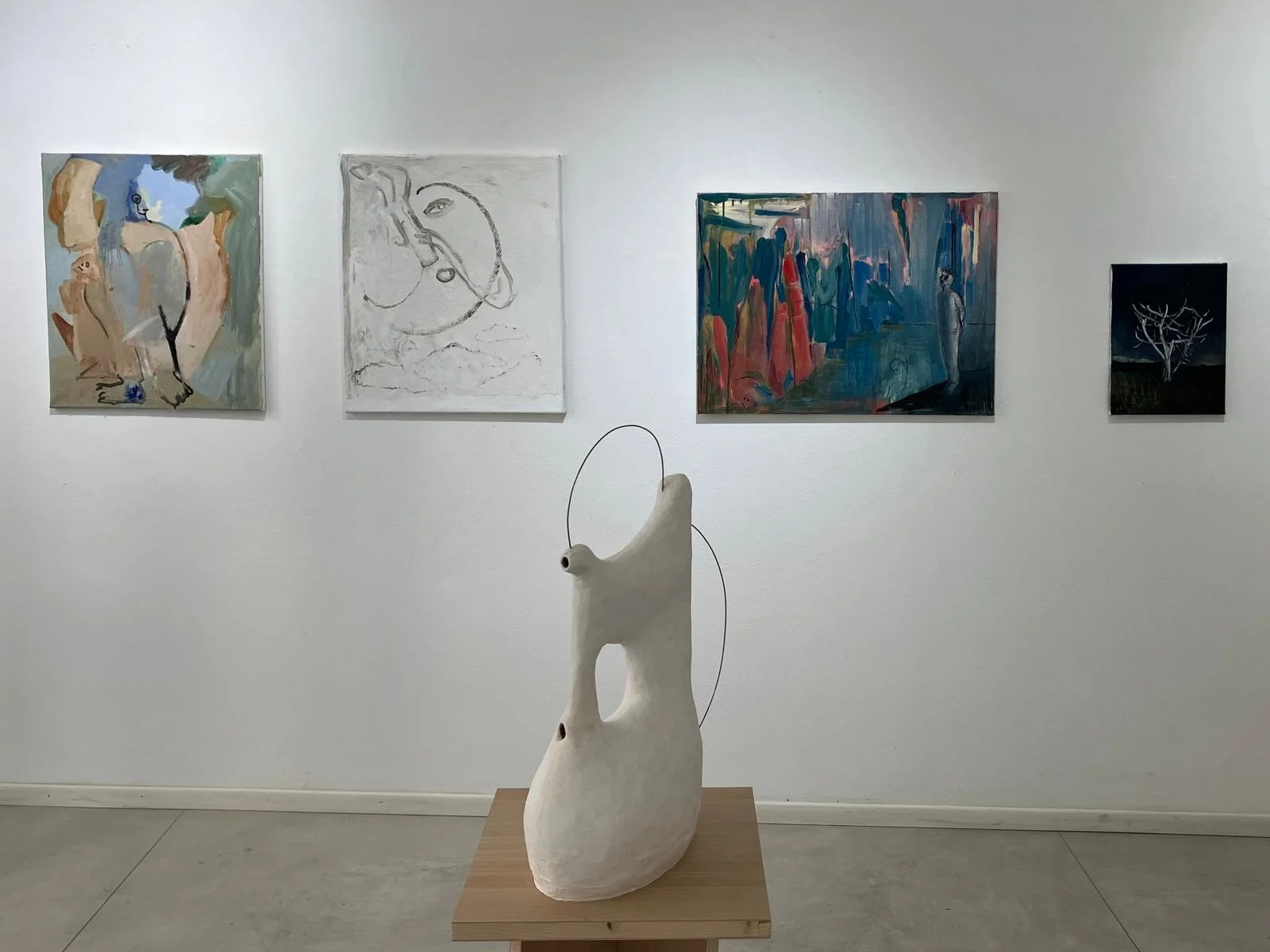
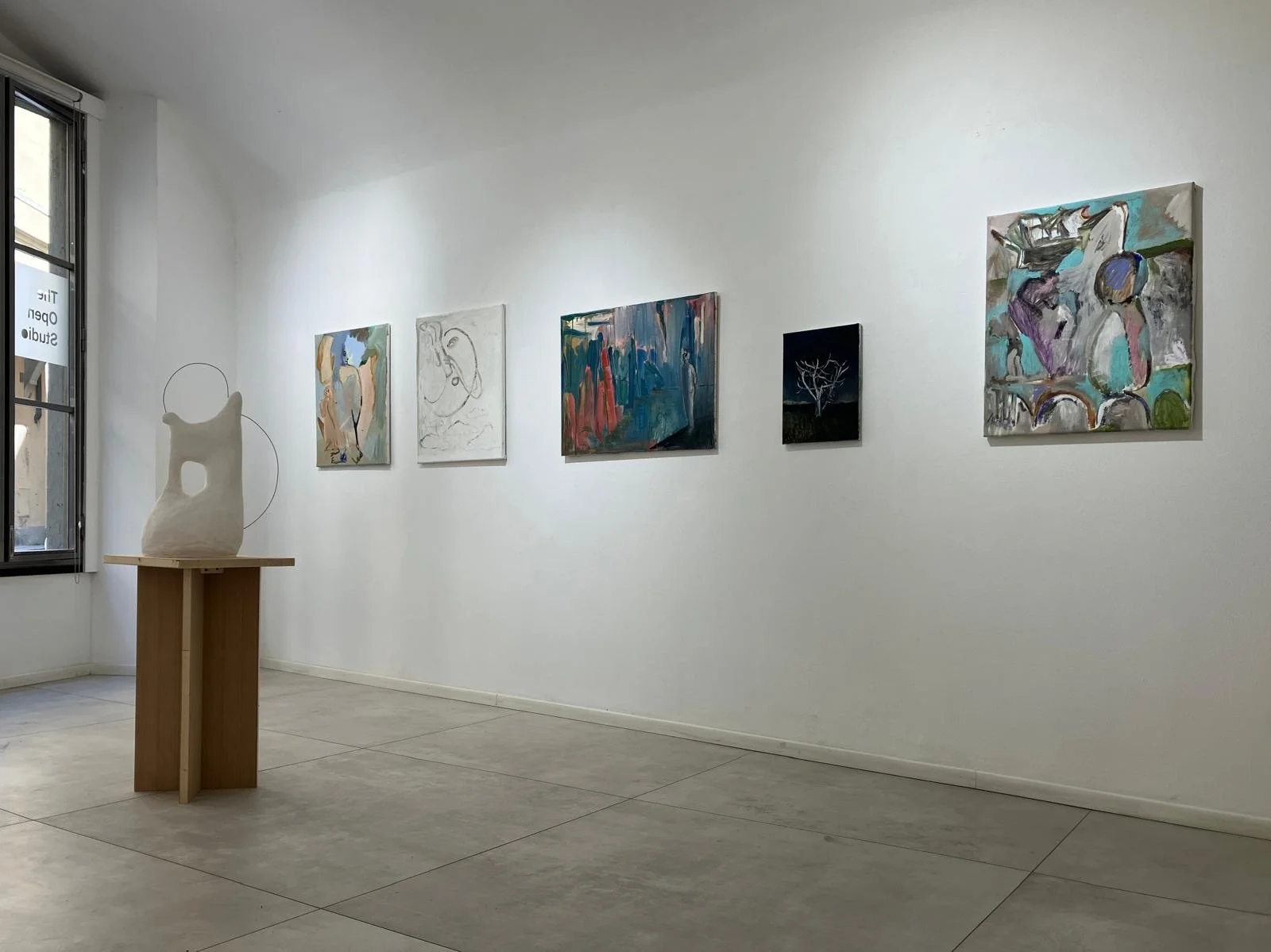
Nella ricerca di Orlando Seale la pittura si intreccia alla performance, alla voce, al corpo e al sogno. L’immagine nasce da uno stato di apertura che egli identifica con la figura archetipica del fool, il folle, colui che attraversa il mondo senza la pretesa di conoscerlo. È una posizione di vulnerabilità, ma anche di straordinaria fertilità creativa. Gli alberi che abitano i suoi dipinti non sono semplici elementi naturali: diventano presenze, soglie tra materia e spirito, tra il visibile e ciò che ancora non possiede un linguaggio. L’attenzione diventa così un gesto quasi devozionale, una forma di cura attraverso cui la realtà può manifestarsi.
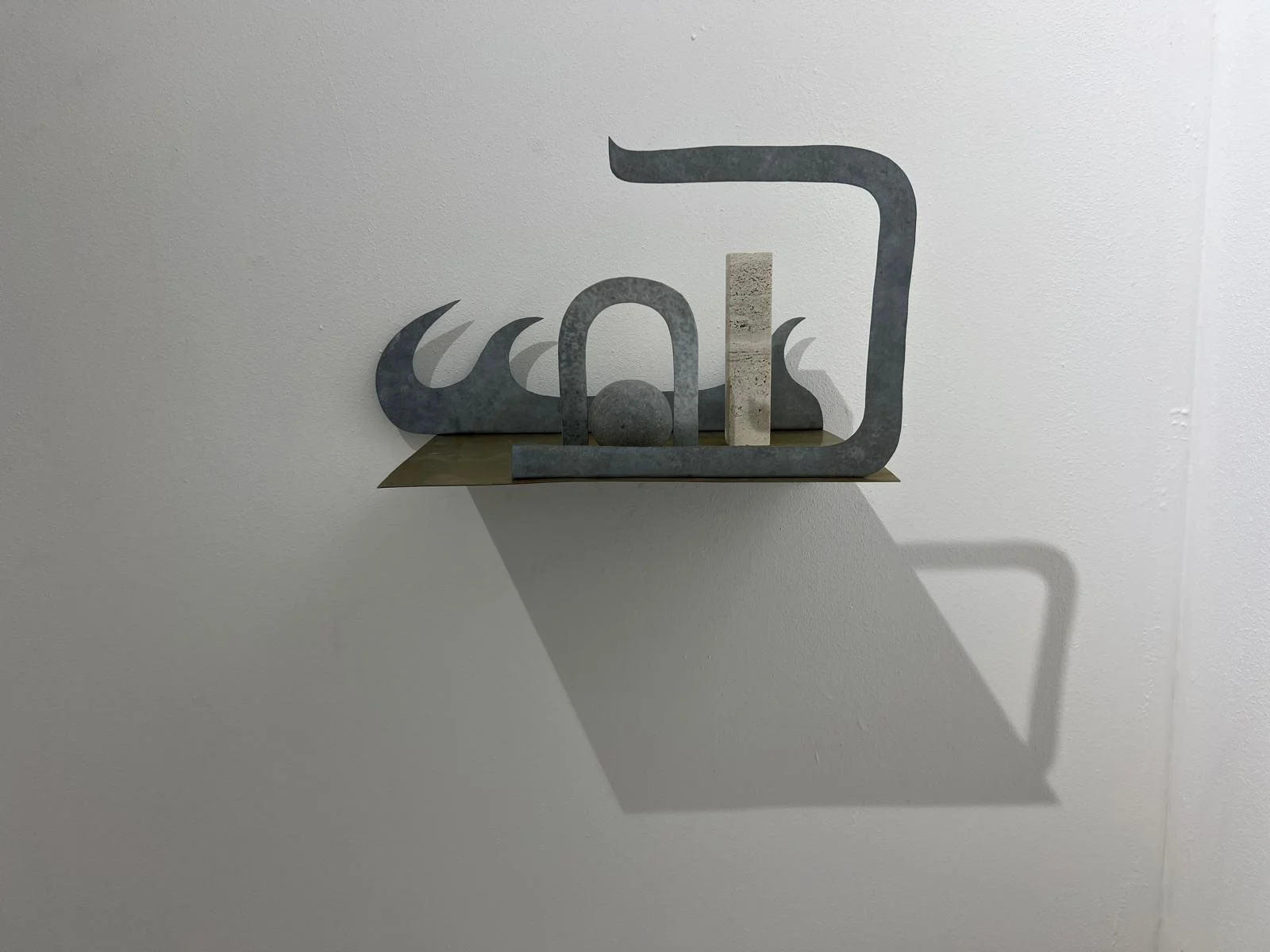
La scultura di Viviana Rossi-Caffell parte da una premessa cinetica che riflette una realtà in continuo movimento, e quindi inafferrabile, che ritroviamo nei mobiles e nelle superfici rispecchianti. La sua pratica sembra muoversi secondo una forma di ignoranza socratica: non procede verso certezze, ma costruisce dispositivi capaci di sollevare nuovi interrogativi. Le sue forme si espandono nello spazio come sonde, tracciando percorsi imprevedibili che finiscono inevitabilmente per ricondurre al proprio centro. Come organismi in continua esplorazione, esse misurano il mondo per scoprire, quasi con stupore, che ogni tentativo di comprendere il tutto restituisce anche un’immagine di sé.
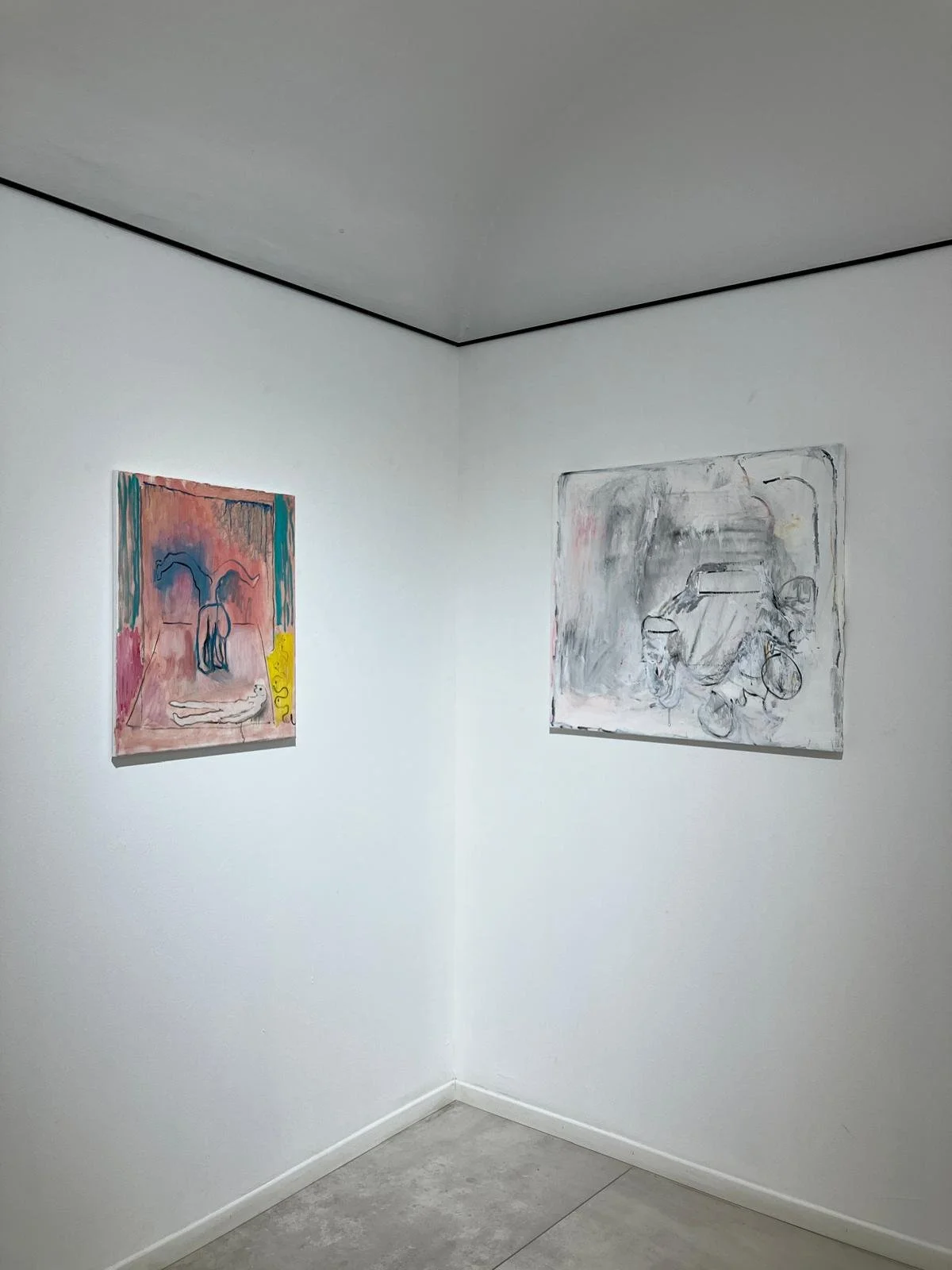
Nel lavoro di Tommaso Nelli è invece il dipinto stesso a suggerire il proprio destino. La cancellatura non rappresenta un errore da correggere, ma un momento necessario della trasformazione; ogni intervento lascia sopravvivere le tracce di ciò che è stato, rendendo visibile il tempo della pittura. La tela appare come un organismo dotato di una propria volontà, che l’artista ascolta con pazienza, senza costringerla verso un esito prestabilito. La grande libertà linguistica che attraversa il suo lavoro — dal segno grafico alla materia, dal fumetto all’espressionismo — non nasce dall’eclettismo, ma dalla fiducia che ogni immagine richieda il proprio lessico. L’opera non viene costruita: viene accompagnata.
Ciò che unisce queste tre ricerche è dunque una diversa idea di conoscenza. In un tempo che tende a trasformare ogni esperienza in informazione e ogni gesto in risultato, Seale, Rossi-Caffell e Nelli rivendicano il valore dell’incompiuto, dell’attesa, dell’errore fertile e della disponibilità all’imprevisto. Le loro opere sembrano suggerire che comprendere non significhi possedere, ma sostare sufficientemente a lungo davanti a ciò che ancora sfugge.
La mostra diventa così uno spazio in cui la visione non coincide con una risposta, ma con un esercizio di attenzione. Ogni lavoro invita lo spettatore a sospendere il bisogno di interpretare immediatamente, per abitare una condizione più fragile e più autentica: quella in cui la forma non è definitiva, il significato resta aperto e l’opera continua a trasformarsi nello sguardo di chi la incontra.
Forse è proprio in questa sospensione che le tre ricerche trovano il loro punto di contatto più profondo. Non nella condivisione di uno stile, ma nella convinzione che l’arte sia prima di tutto un modo di stare al mondo: un esercizio di ascolto, una pratica di attenzione e il coraggio di procedere senza sapere esattamente dove il cammino condurrà.
Valeria Molaioli
Galleria ANVI
Roma
Some artistic research is based on a statement, while other lines of enquiry are centred on uncertainty. The works brought together in this exhibition belong to the latter category: they seek neither to propose a theory nor to impose a form upon reality; rather, they unfold as listening practices, in which the act of making coincides with a gradual process of revelation.
Despite their use of radically diverse artistic languages, Orlando Seale, Viviana Rossi-Caffell, and Tommaso Nelli share a rare attitude: they forgo the notion of the artist as an omniscient creator and instead adopt the perspective of a person prepared to be transformed by the work itself. Creation not as an act of control but as a relational process, in which what emerges surprises, first and foremost, the very person who brings it into being.
In Orlando Seale’s work, painting is interwoven with performance, voice, the body, and dreams. The image emerges from a state of openness that he identifies with the archetypal figure of the "fool"—the one who moves through the world without presuming to know it. It is a vulnerable position, yet also one of extraordinary creative fertility. The trees in his paintings are not merely natural elements; they become presences—thresholds between matter and spirit, between the visible and that which is not yet in possession of a language. Attention thus becomes a quasi-devotional act, a form of care through which reality can manifest itself.
Viviana Rossi-Caffell’s sculpture stems from a kinetic premise that reflects a reality in constant motion and hence impossible to grasp —a quality found in her mobiles and reflective surfaces. Her praxis seems to operate in accordance with a form of Socratic ignorance: rather than moving toward certainties, she constructs devices that raise new questions. Her forms expand into space like probes, tracing unpredictable paths that inevitably lead back to their own centre. Like organisms in constant exploration, they measure the world only to discover—almost with astonishment—that every attempt to comprehend the whole also yields an image of the self.
In Tommaso Nelli’s work, by contrast, it is the painting itself that suggests its own destiny. Deletion does not represent an error to be corrected but a necessary moment of transformation; each intervention permits traces of that which came before to survive, thereby making the temporality of the painting visible. The canvas appears as an organism with a will of its own—one the artist listens to patiently, without pushing it toward a predetermined outcome. The great stylistic freedom running through his work—ranging from the graphic mark to physical matter, from the comic strip to Expressionism—does not stem from eclecticism, but from the conviction that every image requires its own unique vocabulary. The work is not constructed; it is accompanied.
The thing that unites these three bodies of work is, therefore, a diverse conception of knowledge. In an era that tends to transform every experience into information and every action into a result, Seale, Rossi-Caffell, and Nelli champion the value of the unfinished, of waiting, of the fertile error, and of openness to the unexpected. Their works suggest that understanding does not mean possessing but rather lingering long enough in the presence of that which continues to elude us.
The exhibition thus becomes a space where seeing does not coincide with finding an answer but rather constitutes an exercise in attention. Each work invites the viewer to suspend the desire for immediate interpretation in favour of entering a more fragile, authentic state: one in which form is not definitive, meaning remains open, and the artwork continues to transform itself through the gaze of the beholder.
Perhaps it is precisely in this state of suspension that these three bodies of artistic inquiry find their deepest point of connection. It lies not in a shared style, but in the conviction that art is, first and foremost, a way of being in the world—an exercise in listening, the practice of attention, and the courage to press on without knowing exactly where the path leads.
Valeria Molaioli
Galleria ANVI
Roma